Scarlet Oak
Quercus coccinea
A red-oak celebrated for brilliant scarlet autumn color, with deeply C-shaped sinuses between sharply bristle-tipped lobes and a graceful open crown.
- Light
- Full sun
- Water
- Drought-tolerant once established
- Difficulty
- Easy
Got a plant like this?
Identify any plant from a photo, free.
Overview
Scarlet oak earns its name from the intense, long-lasting red fall foliage that rivals any maple. It belongs to the red oak group and is a fast-growing, medium-to-large tree of dry, sandy uplands in eastern North America.
Its deeply cut leaves and tolerance of poor soils make it a popular ornamental and street tree, though it can be harder to transplant than some oaks because of its coarse root system.
How to identify it
Foliage and fall color are the giveaways:
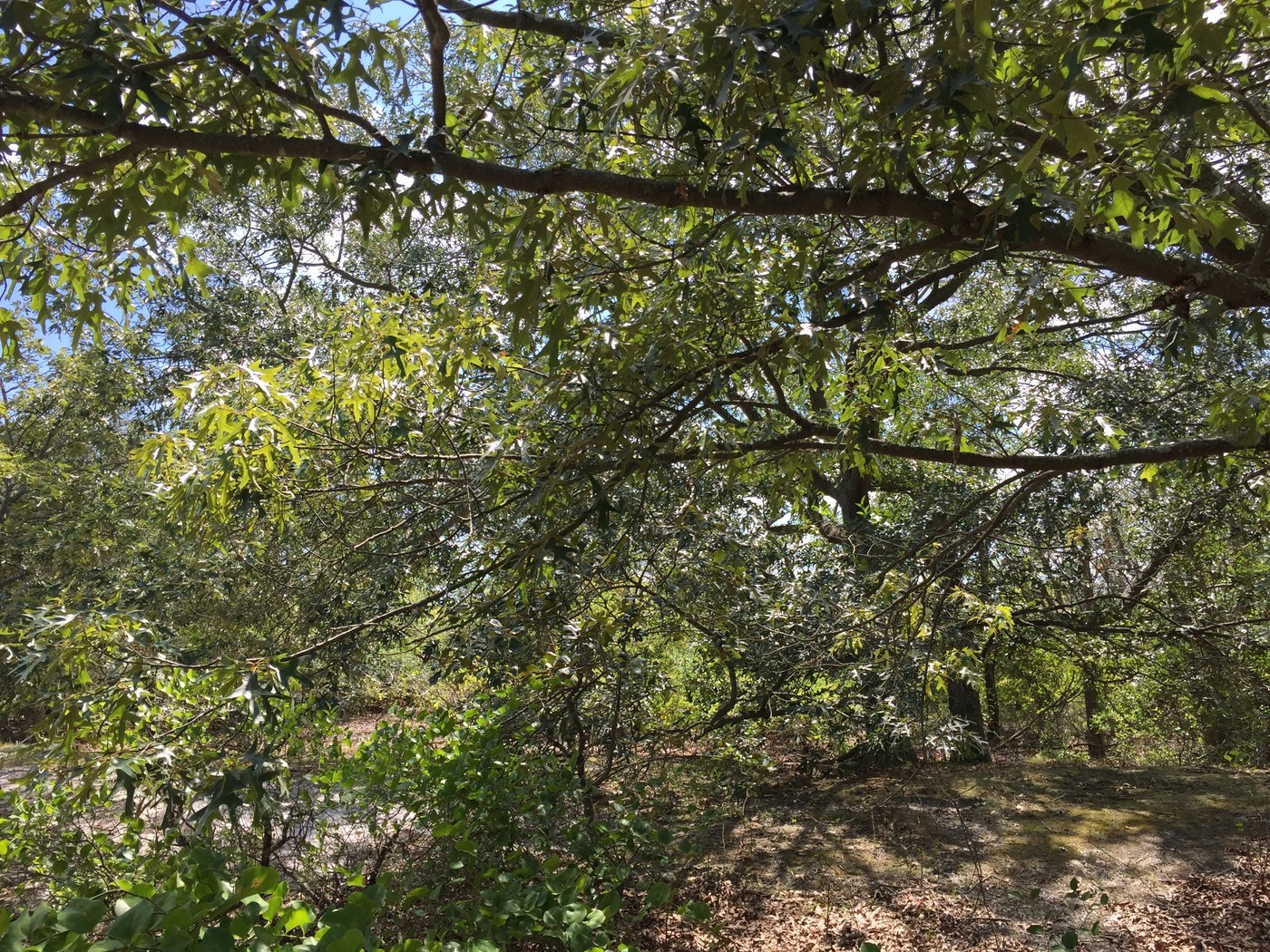
- Leaves 3-7 in long with 7-9 sharply pointed, bristle-tipped lobes and deep, rounded (C-shaped) sinuses cutting more than halfway to the midrib
- Fall color vivid scarlet to crimson, often persisting late
- Acorns 1/2-1 in, oval, with a deep bowl-like cap; often show concentric rings near the tip
- Bark dark gray-brown, shallowly ridged, with inner bark reddish (not yellow as in black oak)
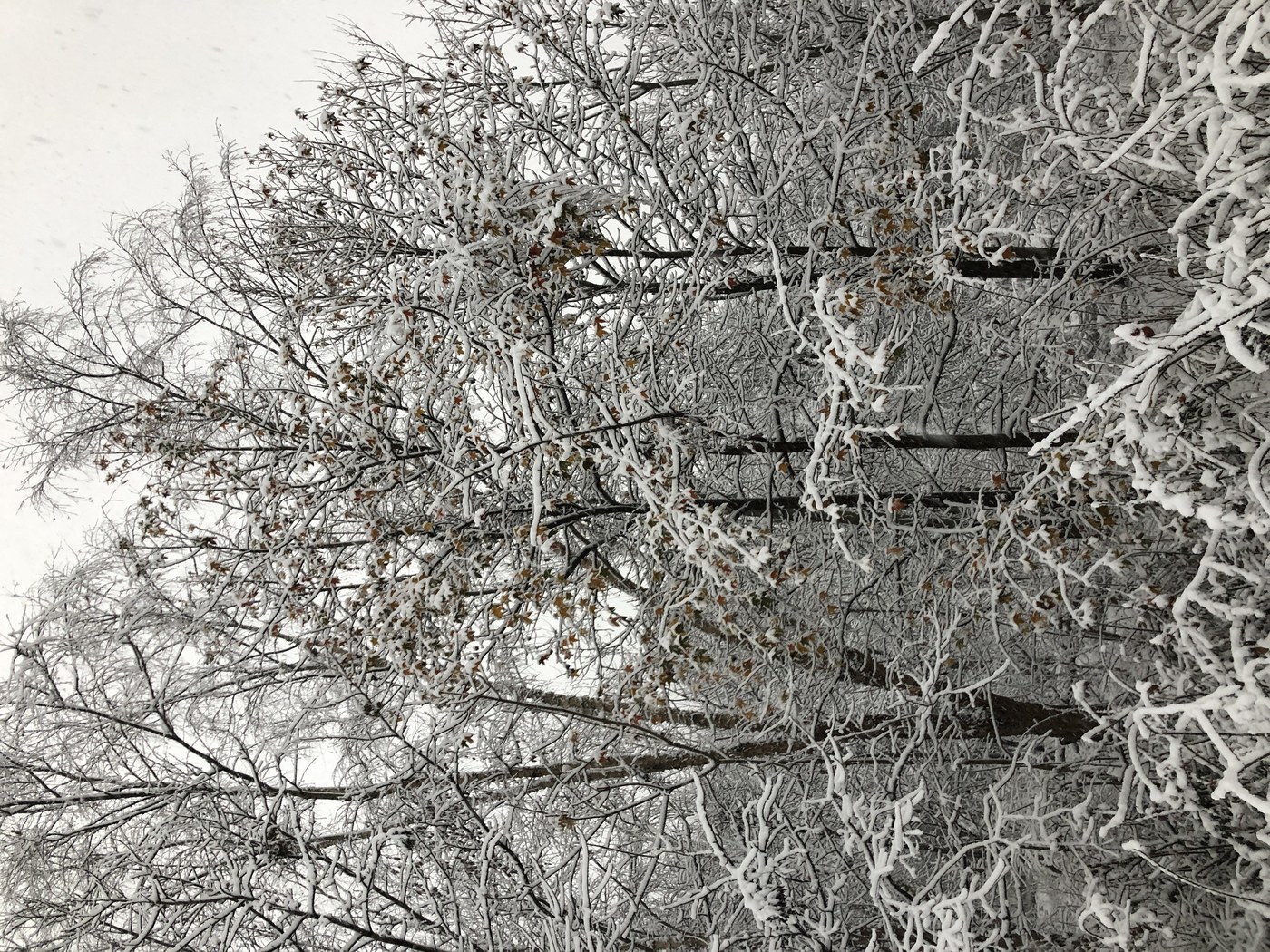
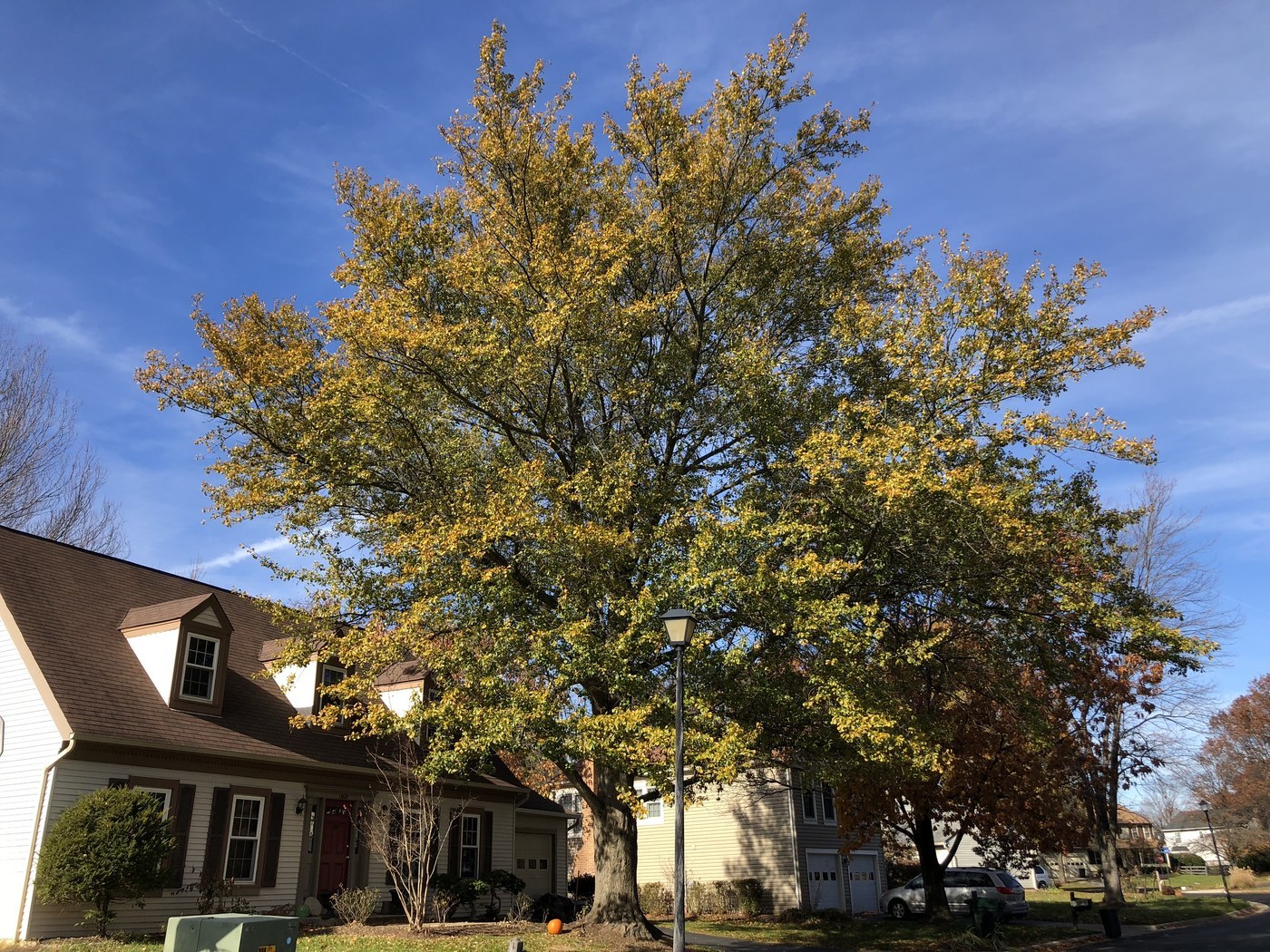
- Form open, rounded crown 50-70 ft tall, with somewhat drooping lower branches
Care & growing
Easy where soil drains freely.
- Light: Full sun is essential for best color
- Water: Drought-tolerant once established; dislikes wet ground
- Soil: Prefers dry, sandy, acidic, well-drained soils; can yellow (chlorosis) in alkaline conditions
- Temperature: Hardy in USDA zones 4-9
- Feeding: Generally unnecessary
- Propagation: From acorns sown in fall; transplant when young because of coarse roots
Habitat & origin
Native to eastern and central North America, from Maine and Ontario south to Georgia and west to Missouri. It favors dry, sandy or gravelly ridges and upland woods with acidic soils.
It is widely planted as a landscape and avenue tree for its autumn color and tolerance of dry urban sites.
Frequently asked questions
How is it different from pin oak?
Both have deeply cut lobes, but scarlet oak's acorn caps cover more of the nut and often show rings, and it tolerates drier soils than pin oak.
When does the scarlet color appear?
Typically mid to late autumn; the leaves can color unevenly and hold for weeks.
Is it hard to transplant?
Somewhat — its coarse, sparse root system makes it best moved as a young, container-grown tree.
Does it tolerate dry soil?
Yes, it naturally grows on dry, sandy upland sites and is quite drought-tolerant.
Scarlet Oak guides
In-depth guides for identifying, growing, and caring for Scarlet Oak.
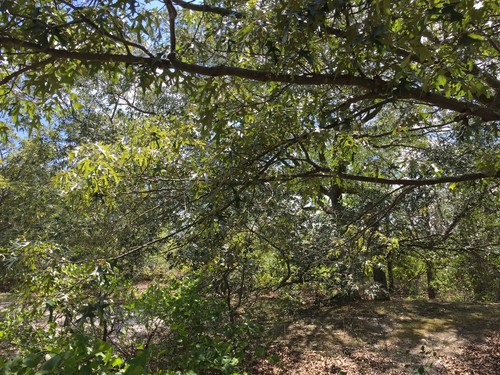
How to Care for Scarlet Oak
Grow a Scarlet Oak (Quercus coccinea): a fast, drought-tolerant shade tree prized for its brilliant fall color and low-maintenance nature.
Scarlet Oak Identification Guide
Recognize scarlet oak by its deeply C-shaped sinuses, brilliant scarlet fall color, and concentric rings on the acorn cap. Covers leaves, fruit, look-alikes, and habitat.