How to Care for Scotch Pine
Scotch pine (Pinus sylvestris) is a rugged, adaptable conifer with orange upper bark, easy to grow in full sun and poor, well-drained soil.
Read the full Scotch Pine encyclopedia entry →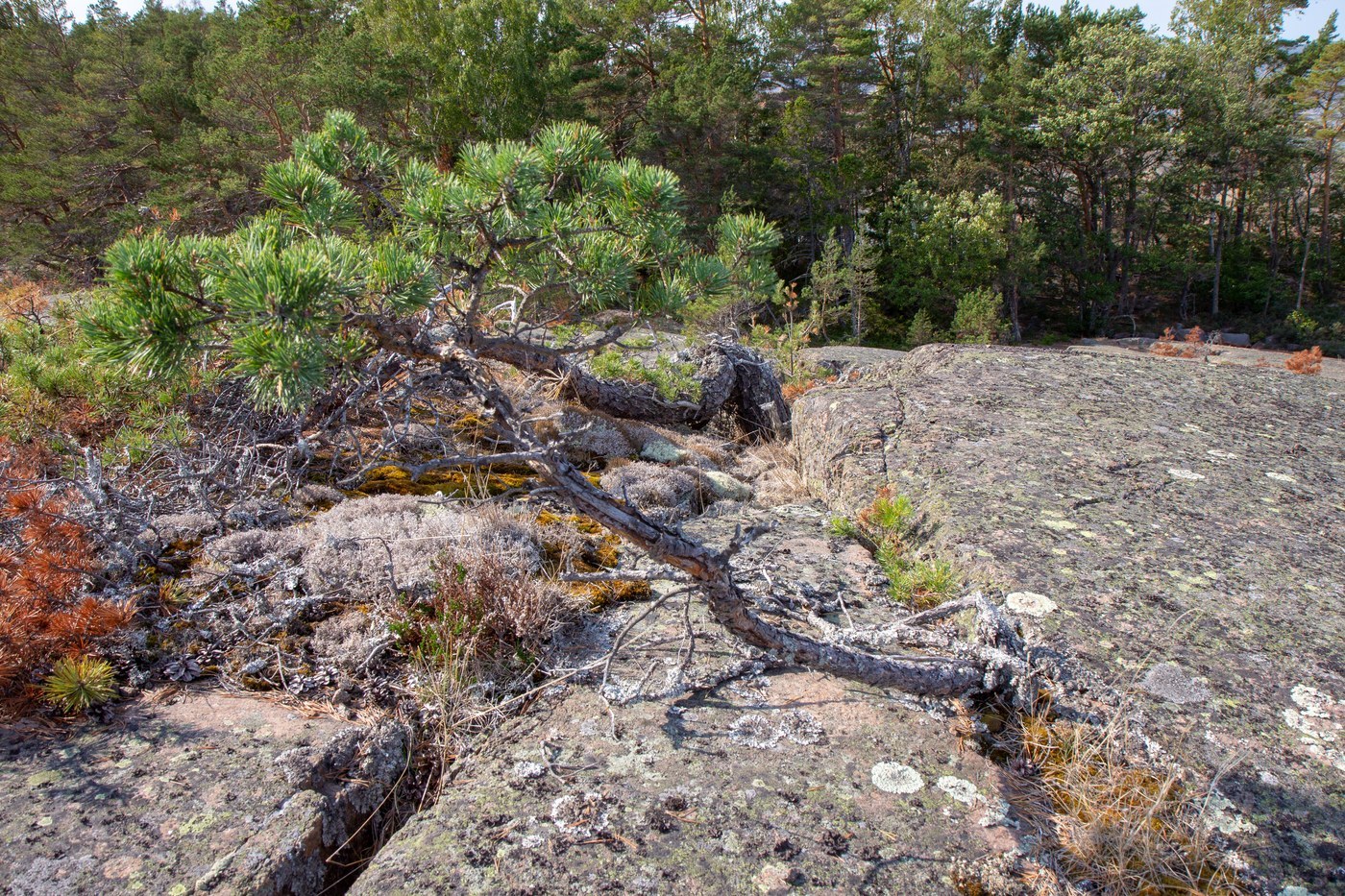
Scotch pine (Pinus sylvestris), also called Scots pine, is a rugged, fast-growing evergreen conifer known for its blue-green needles in pairs and striking orange-brown bark on the upper trunk. It is an easy, adaptable tree for full sun and lean soils, widely planted as a landscape specimen and shelter tree.
Light
Plant in full sun. Scotch pine is intolerant of shade and needs open, unobstructed light to develop a dense, healthy crown and good form. In shade the lower branches thin out and the tree grows sparse and leggy.
Water
Water regularly the first couple of seasons to establish the root system, then it becomes low-maintenance and drought-tolerant. Mature trees rarely need irrigation except in prolonged drought. It resents waterlogged ground, so good drainage matters far more than frequent watering.
Soil & Potting
Highly adaptable to soil, thriving in sandy, gravelly, rocky, and poor ground where many trees fail. It prefers slightly acidic, well-drained soil but tolerates a wide pH range. Avoid heavy, wet, poorly drained sites, which invite root problems. Sharp drainage is the single most important soil factor.
Humidity & Temperature
Extremely cold hardy, Scotch pine withstands harsh winters and a broad temperature range. It is unfazed by low humidity and dry air. Its main limitation is heat and humidity combined in hot southern climates, where it is more prone to stress and disease.
Feeding
Established trees need little to no feeding on most soils. A young tree in very poor ground may benefit from a light application of balanced or conifer fertilizer in early spring, but mature specimens generally thrive without it. Over-fertilizing forces weak, disease-prone growth.
Propagation
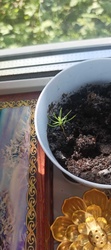
Scotch pine is propagated from seed collected from mature cones. Seed benefits from a period of cold stratification to break dormancy before sowing in spring. Seedlings grow relatively quickly in full sun and free-draining soil. Named cultivars are usually grafted rather than grown from seed.
Repotting / Pruning
Prune minimally; conifers do not resprout readily from old bare wood. To shape or densify growth, pinch the soft new candles in spring rather than cutting into old wood. Remove dead, damaged, or crossing branches as needed. Young container or bonsai specimens can be root-pruned and repotted in early spring.
Common Problems & Pests
Scotch pine can be affected by pine wilt (a nematode-borne disease, often serious in warmer regions), various needle casts and blights, pine sawflies, bark beetles, and aphid-like adelgids. Good spacing, full sun, and drainage reduce disease pressure. Sudden browning of a whole tree may indicate pine wilt, especially in hot climates.
Seasonal Care Tips
In spring, pinch new candles to shape growth and feed young trees lightly if needed. Through summer, water young trees during drought and watch for needle disease and sawflies. In autumn, collect cones for seed if propagating. In winter the tree is fully hardy and needs no protection in cold-climate landscapes.
Frequently asked questions
How much sun does a Scotch pine need?
Full sun. It is shade-intolerant, and without open, unobstructed light it thins out, loses lower branches, and grows sparse and leggy.
What soil is best for Scotch pine?
Well-drained, slightly acidic soil is ideal, but it tolerates sandy, gravelly, rocky, and poor ground across a wide pH range. The one thing it will not tolerate is heavy, waterlogged soil.
How should I prune it?
Prune lightly. Conifers rarely regrow from bare old wood, so shape the tree by pinching the soft spring candles rather than cutting into old branches, and remove only dead or damaged wood.
Why did my Scotch pine turn brown suddenly?
Rapid browning of a whole tree can indicate pine wilt, a serious disease especially in hot climates, or a needle blight. Ensure full sun, good drainage, and spacing, and remove affected trees to limit spread.
Scotch Pine identified by the community
Recent Scotch Pine specimens identified with Plant Identifier.