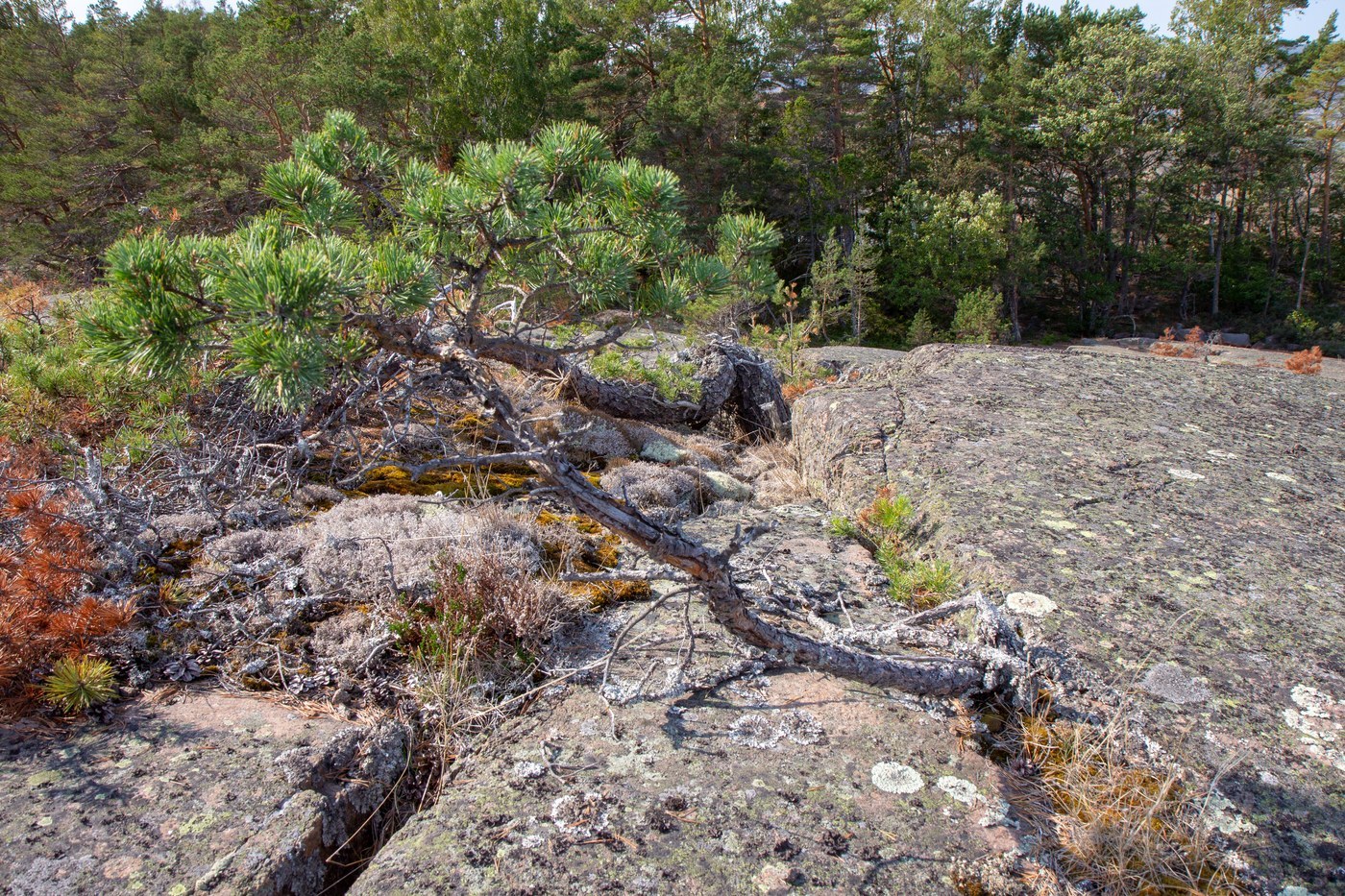
Scotch Pine
Pinus sylvestris
Scotch Pine is a widespread evergreen conifer known for its distinctive orange-red upper bark and blue-green twisted needles. It is one of the most common Christmas trees and a major timber species.
- Light
- Full sun
- Water
- Low; drought tolerant once established
- Difficulty
- Easy
Got a plant like this?
Identify any plant from a photo, free.
Overview
Scotch Pine (Pinus sylvestris), also called Scots pine, is a hardy evergreen conifer with one of the largest natural ranges of any pine, stretching across Europe and into Asia.
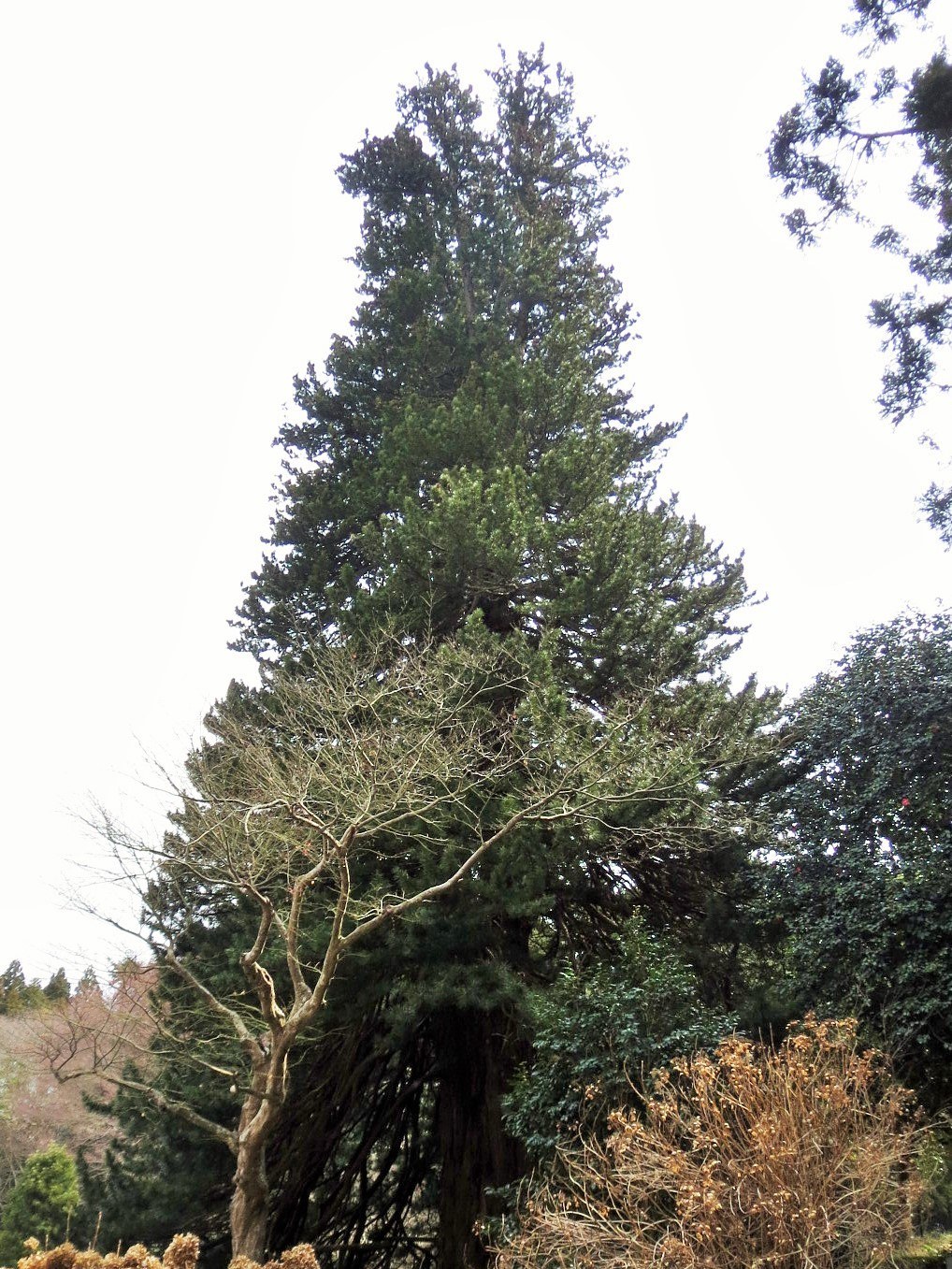
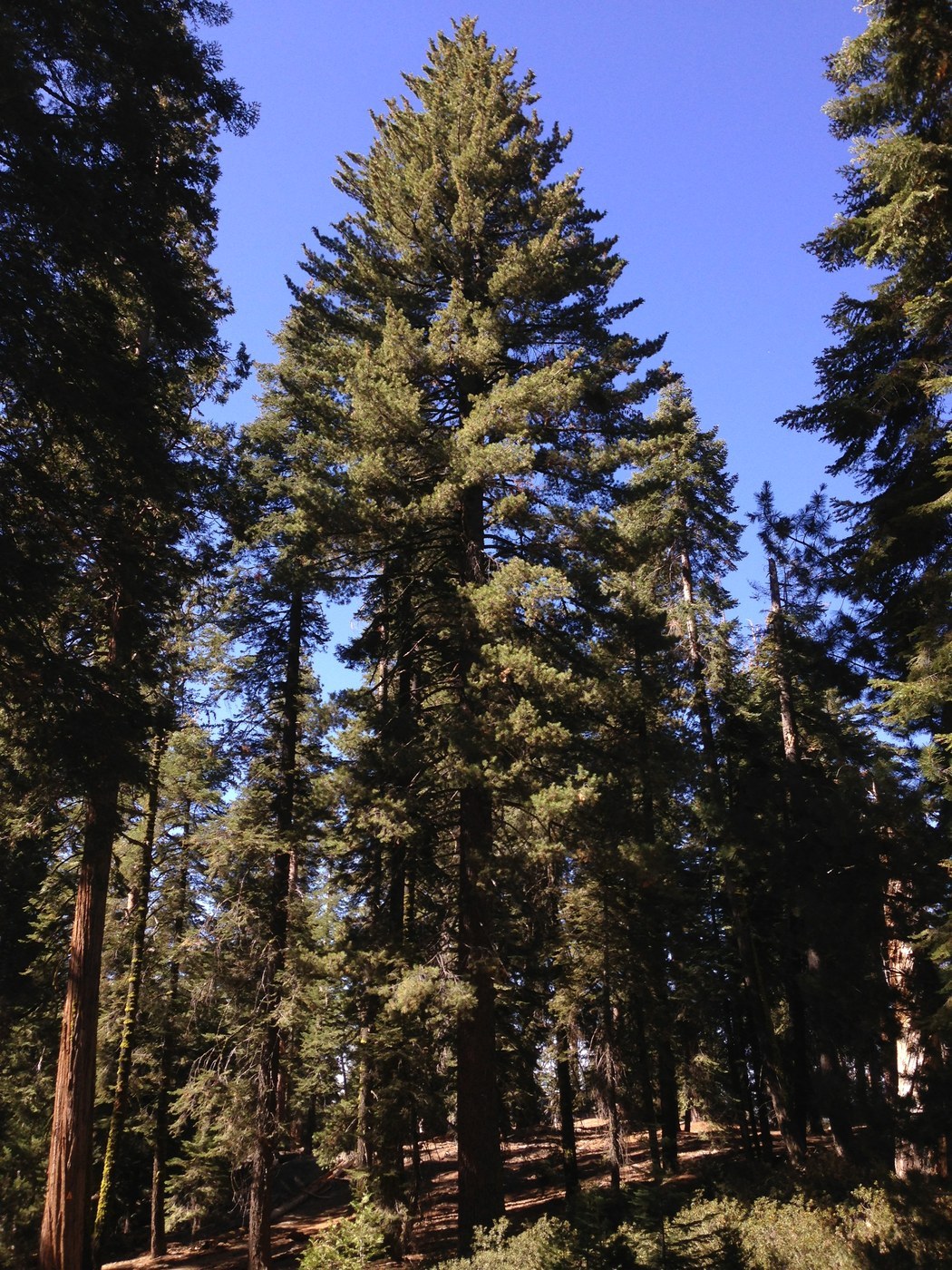
Young trees form a conical crown, while older specimens develop a characteristic flat or irregular top with the distinctive flaky, orange to reddish-brown bark on the upper trunk and branches. It commonly reaches 50 to 100 feet tall.
It is enormously important commercially as a timber and pulp species, and in North America it is one of the most widely grown Christmas trees.
How to identify it
Most easily identified by needle color, paired needles, and bark.
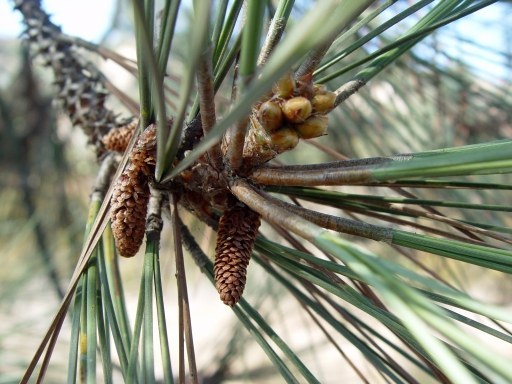
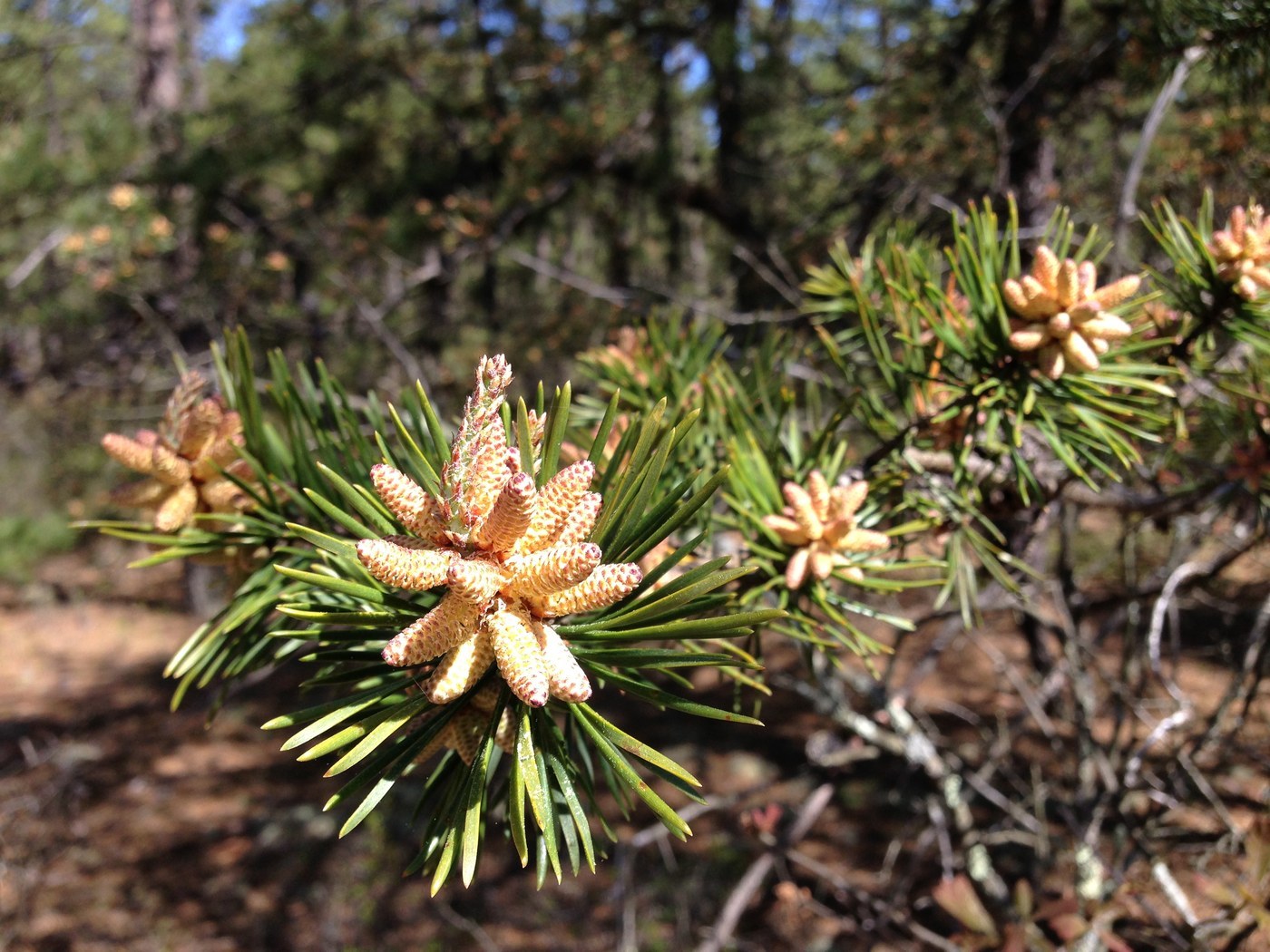
- Needles: Stiff, twisted, blue-green needles 1.5 to 3 inches long, borne in pairs (bundles of two)
- Bark: Striking orange to reddish-brown, flaky bark on the upper trunk; grey-brown and fissured near the base
- Cones: Pointed, grey-brown conical cones 1 to 3 inches long
- Form: Conical when young, becoming open and flat-topped with a bare lower trunk in age
- Size: Typically 50 to 100 feet tall
Care & growing
An adaptable, undemanding pine for cool and temperate climates.
- Light: Full sun; intolerant of shade
- Water: Low needs once established; tolerant of dry, poor soils
- Soil: Thrives in well-drained sandy or acidic soils; avoid waterlogged ground
- Temperature: Extremely cold hardy (USDA zones 3 to 7)
- Feeding: Rarely needed; tolerates infertile soils
- Propagation: Grown from seed; readily self-seeds in suitable conditions
Habitat & origin
Native across Europe and northern Asia, from Scotland and Spain eastward through Siberia, growing in boreal forests, heaths, and on poor sandy or rocky soils.
It has been widely planted for forestry and ornament in North America, where it has naturalized in some regions. The remnant native Caledonian pinewoods of Scotland are an iconic habitat for this species.
Frequently asked questions
Why is the upper bark orange?
Scotch pine naturally develops thin, flaky orange to reddish-brown bark on its upper trunk and limbs, a feature that makes it easy to identify even from a distance.
How can I tell it apart from other pines?
Look for the combination of short, twisted blue-green needles in pairs and the distinctive orange upper bark, a combination unique among common pines.
Is it a good Christmas tree?
Yes, it is one of the most popular Christmas trees in North America thanks to its stiff branches and excellent needle retention.
Does it tolerate poor soil?
Very much so. It naturally grows on dry, sandy, and nutrient-poor soils, making it a tough and adaptable tree.
Scotch Pine guides
In-depth guides for identifying, growing, and caring for Scotch Pine.
How to Care for Scotch Pine
Scotch pine (Pinus sylvestris) is a rugged, adaptable conifer with orange upper bark, easy to grow in full sun and poor, well-drained soil.
Scotch Pine Identification Guide
Recognize Scotch (Scots) Pine, Pinus sylvestris, by its paired blue-green twisted needles and distinctive flaky orange upper bark.
Scotch Pine identified by the community
Real specimens identified with Plant Identifier.