
How to Care for Sea Holly
Grow Eryngium planum, a drought-tolerant perennial with steel-blue thistle-like flowers and spiny bracts for sunny, dry gardens.
Read the full Sea Holly encyclopedia entry →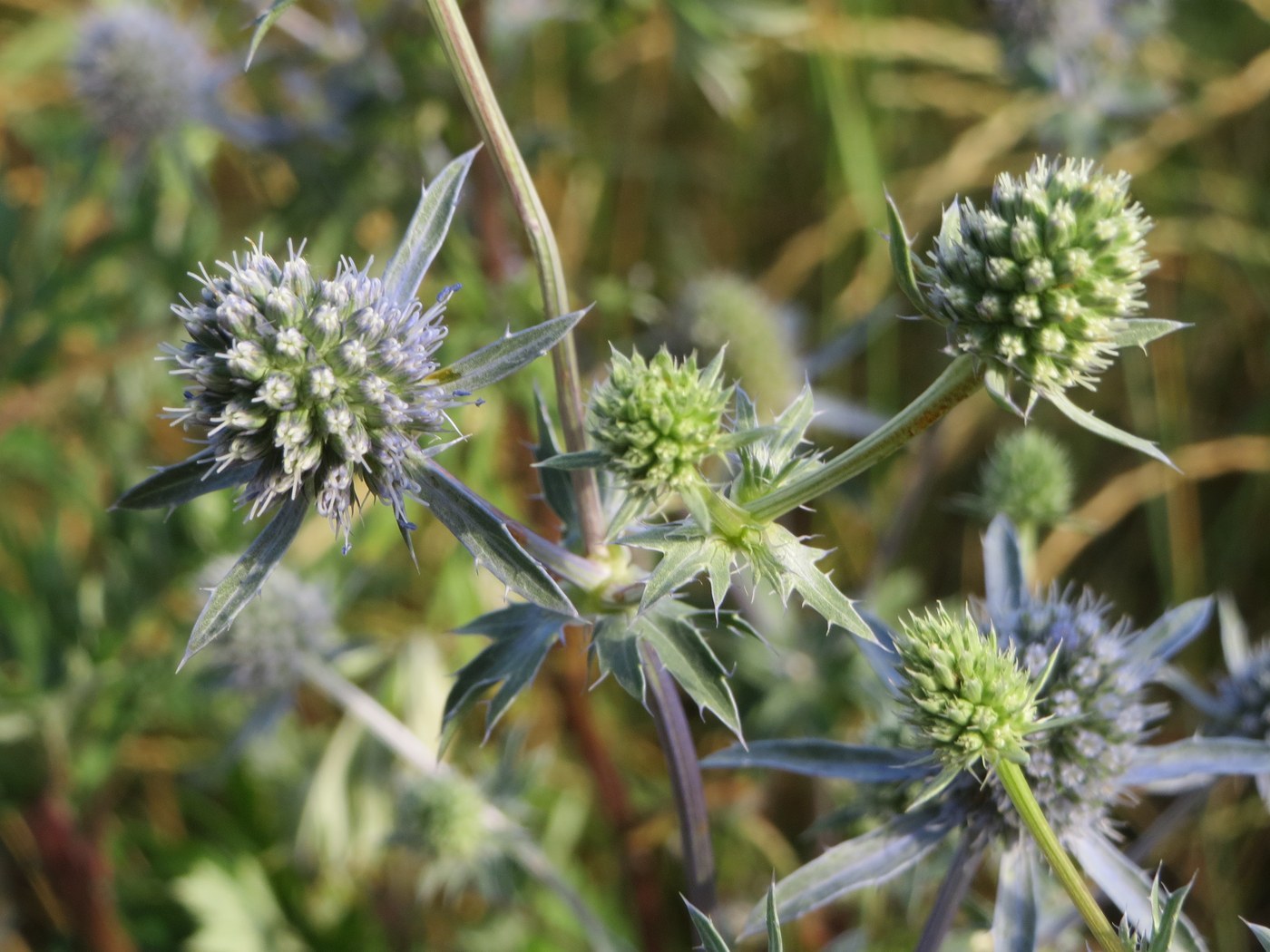
Sea Holly (Eryngium planum) is a striking, drought-tolerant perennial grown for its metallic steel-blue, thistle-like flower heads surrounded by spiny, silvery bracts atop branching, wiry stems. It is an easy, low-maintenance plant ideal for hot, sunny, well-drained sites and much loved for its architectural form.
Light
Grow in full sun for the best flower color, sturdy upright stems, and compact growth. Sea Holly needs at least six hours of direct sun daily; the intense blue coloring of the stems and bracts develops best in strong light. In shade the plants become floppy, produce fewer flowers, and lose their vivid color.
Water
This is a drought-tolerant plant that prefers dry to moderately dry conditions. Water young plants to establish them, then reduce watering; established Sea Holly rarely needs irrigation and resents wet feet. Its deep taproot draws moisture from far below the surface. Overwatering and soggy soil are the most common causes of decline, so err on the dry side.
Soil & Potting
Sharp drainage is essential. Sea Holly thrives in poor, sandy, gravelly, or rocky soils and even tolerates salty coastal conditions. It performs poorly in rich, heavy, or waterlogged soil, which causes root rot. If your soil is heavy, amend with grit or coarse sand and plant on a slope or raised bed. Because of its long taproot, it dislikes disturbance; container growing is possible in a deep, free-draining pot but the plant prefers to stay put.
Humidity & Temperature
Hardy roughly across USDA zones 4 through 9, Sea Holly withstands heat, cold, wind, and coastal salt spray with ease. It prefers dry air and dislikes prolonged humidity combined with poor drainage, which can encourage crown rot. No humidity management is needed; simply provide sun and dry, airy conditions.
Feeding
Sea Holly needs very little feeding and actually flowers better in lean soil. Avoid rich fertilizers and heavy nitrogen, which produce lush, weak, floppy growth and reduce the intensity of the blue coloring. In most soils no fertilizer is necessary; at most, a light spring feeding in very poor ground is enough.
Propagation
Propagate from seed or root cuttings. Seed germinates best after a period of cold stratification, so sow outdoors in fall or cold-treat seed before spring sowing; sow where plants are to grow since the taproot resents transplanting. Root cuttings taken in late winter are a reliable method. Sea Holly also self-sows in favorable conditions. Division is difficult and usually unsuccessful because of the deep taproot.
Repotting / Pruning
Minimal pruning is needed. Cut back spent flower stems after blooming, or leave the long-lasting seed heads standing for winter interest, as they hold their form and color when dried. Cut old foliage back in late winter before new growth emerges. Avoid disturbing the taproot; repot container specimens only when necessary, using a deep pot and taking care with the roots.
Common Problems & Pests
Sea Holly is largely pest- and disease-free. The chief problem is root or crown rot caused by wet, poorly drained soil, so drainage is critical. Powdery mildew can occur in humid, crowded conditions; ensure good spacing and air circulation. Floppy plants indicate too much shade or overly rich soil. Slugs may occasionally nibble young growth. Otherwise it is remarkably trouble-free.
Seasonal Care Tips
Spring: cut back old stems, and sow or transplant young plants into their permanent spot. Summer: enjoy the peak steel-blue bloom, which attracts many pollinators; water only in extreme drought. Autumn: leave seed heads for structure and self-sowing, or collect seed. Winter: the sturdy dried stems provide interest and the crown is fully hardy, needing no protection in its range.
Frequently asked questions
Why is my Sea Holly flopping over?
Floppy growth usually means too much shade or overly rich soil. Grow in full sun and lean, well-drained soil, and avoid fertilizing heavily.
How often should I water Sea Holly?
Very little once established. Its deep taproot makes it drought tolerant, and overwatering causes root rot, so keep the soil on the dry side.
Can I divide Sea Holly to propagate it?
Division rarely works because of the long taproot. Propagate instead from cold-stratified seed sown in place, or from root cuttings taken in late winter.
Does Sea Holly grow in poor soil?
Yes, it prefers lean, sandy, gravelly soil and even tolerates coastal salt. Rich, heavy, or wet soil leads to weak growth and rot.