
How to Care for Sea Thrift
Grow Sea Thrift (Armeria maritima) for tidy grassy cushions topped with pink pompom blooms. A drought-tough coastal perennial for sun and sharp drainage.
Read the full Sea Thrift encyclopedia entry →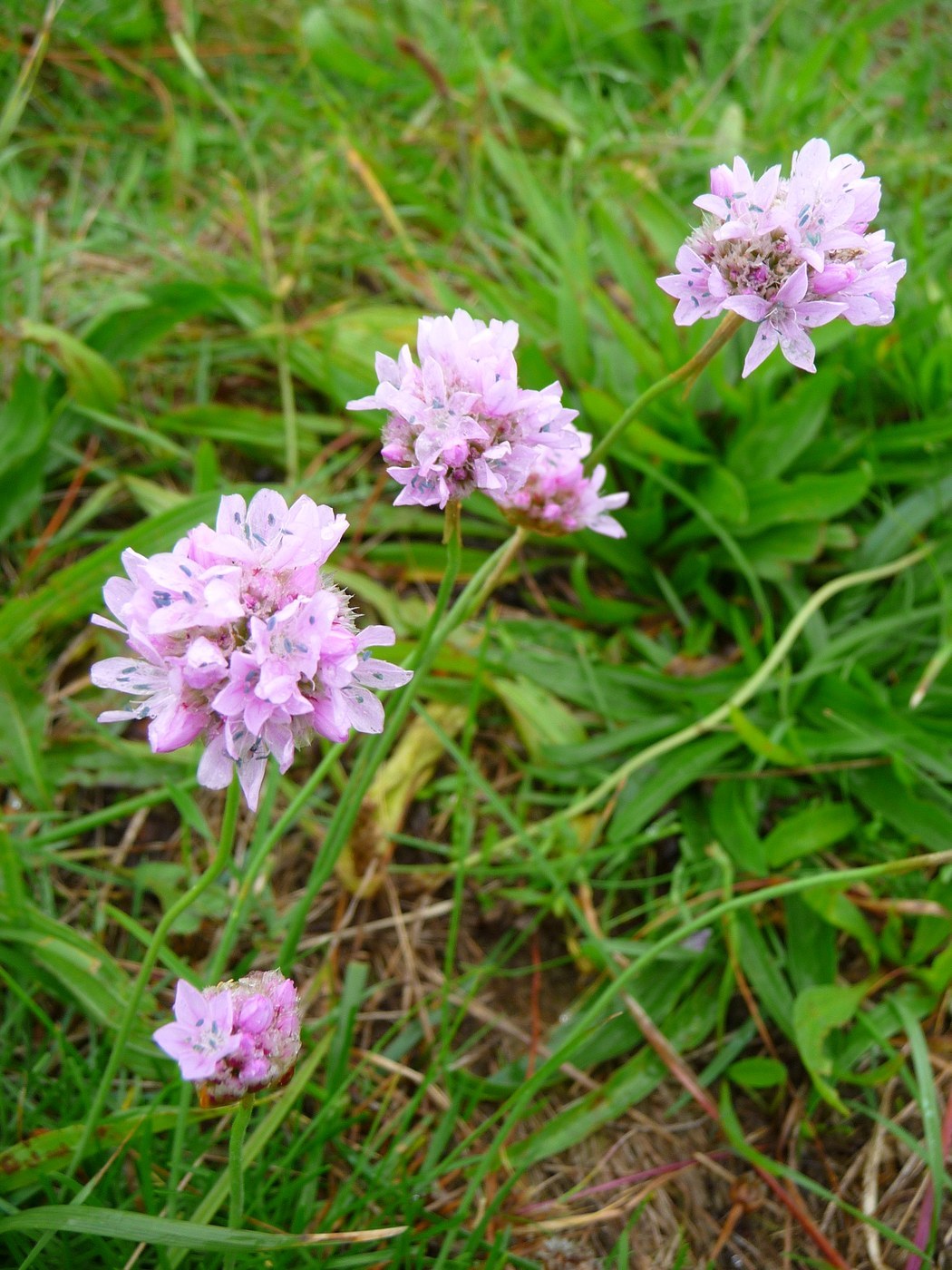
Sea Thrift (Armeria maritima) forms neat evergreen cushions of grassy foliage crowned in spring by wiry stems of rounded pink or white pompom flowers. A coastal native, it thrives in full sun, poor gritty soil, and dry conditions, making it a superb choice for rock gardens, edging, and containers.
Light
Give Sea Thrift full sun, at least six hours daily. Ample light keeps the mounds dense and compact and drives generous flowering. In shade the cushions loosen, bloom poorly, and become prone to rot, so never skimp on sun.
Water
Water sparingly. Sea Thrift is genuinely drought tolerant once established and resents wet feet above all else. Let the soil dry between waterings, and water only occasionally during extended dry periods. Overwatering is the single most common cause of failure, rotting the center of the cushion.
Soil & Potting
Sharp drainage is essential. Use sandy, gravelly, or rocky soil that is lean and low in fertility, mimicking its native seaside cliffs and dunes. It tolerates poor and salty soils well. For containers, blend potting mix with plenty of grit or sand and ensure generous drainage holes.
Humidity & Temperature
Sea Thrift is hardy and cold tolerant, staying evergreen through mild winters. It prefers cool to moderate conditions and good air movement; humid, stagnant air encourages rot in the crown. It shrugs off coastal wind and salt spray better than almost any perennial.
Feeding
Feeding is largely unnecessary and can be counterproductive. Rich soil produces soft, floppy growth and fewer flowers. At most, work a little compost into the planting site, or apply a very dilute feed once in spring. Lean conditions produce the tightest, healthiest cushions.
Propagation
Divide established clumps in early spring or after flowering, teasing the cushion into rooted sections and replanting. Sea Thrift also grows well from seed sown in spring, and basal cuttings can be rooted in gritty, free-draining media.
Repotting / Pruning
Shear off spent flower stems after blooming to keep plants tidy and encourage a possible second flush. If the center of an older cushion dies out and goes bare, lift and divide it to rejuvenate. Repot container plants every couple of years into fresh gritty mix, keeping the crown at soil level.
Common Problems & Pests
The chief problem is crown and root rot from overwatering or heavy soil, which causes the center to brown and collapse. Improve drainage and reduce watering to prevent it. Pests are few, though the plant may struggle in hot, humid, poorly drained sites. Otherwise it is exceptionally trouble-free.
Seasonal Care Tips
In spring, tidy the cushions, divide if needed, and enjoy the main flush of bloom. Through summer, deadhead spent stems and water only in drought. In fall, ease off watering as growth slows. In winter the evergreen mounds persist; just ensure they never sit in cold, standing moisture.
Frequently asked questions
Why is the center of my sea thrift dying out?
A bare, browning center usually means too much water or soil that stays wet, causing crown rot. Improve drainage, water less, and lift and divide the cushion to renew it.
How often should I water sea thrift?
Rarely. Let the soil dry between waterings and irrigate only during prolonged drought. It is a drought-tolerant coastal plant that rots easily in constantly moist ground.
Is sea thrift good for coastal gardens?
Excellent. Armeria maritima is native to seaside cliffs and dunes and tolerates salt spray, wind, and poor sandy soil better than most perennials.
Should I deadhead sea thrift?
Yes. Shearing off faded flower stems keeps the plant neat and can encourage a second flush of blooms later in the season.