How to Care for Sedum
Sedum is a tough, drought-tolerant succulent for full sun; water sparingly, plant in gritty soil, and divide in spring.
Read the full Sedum encyclopedia entry →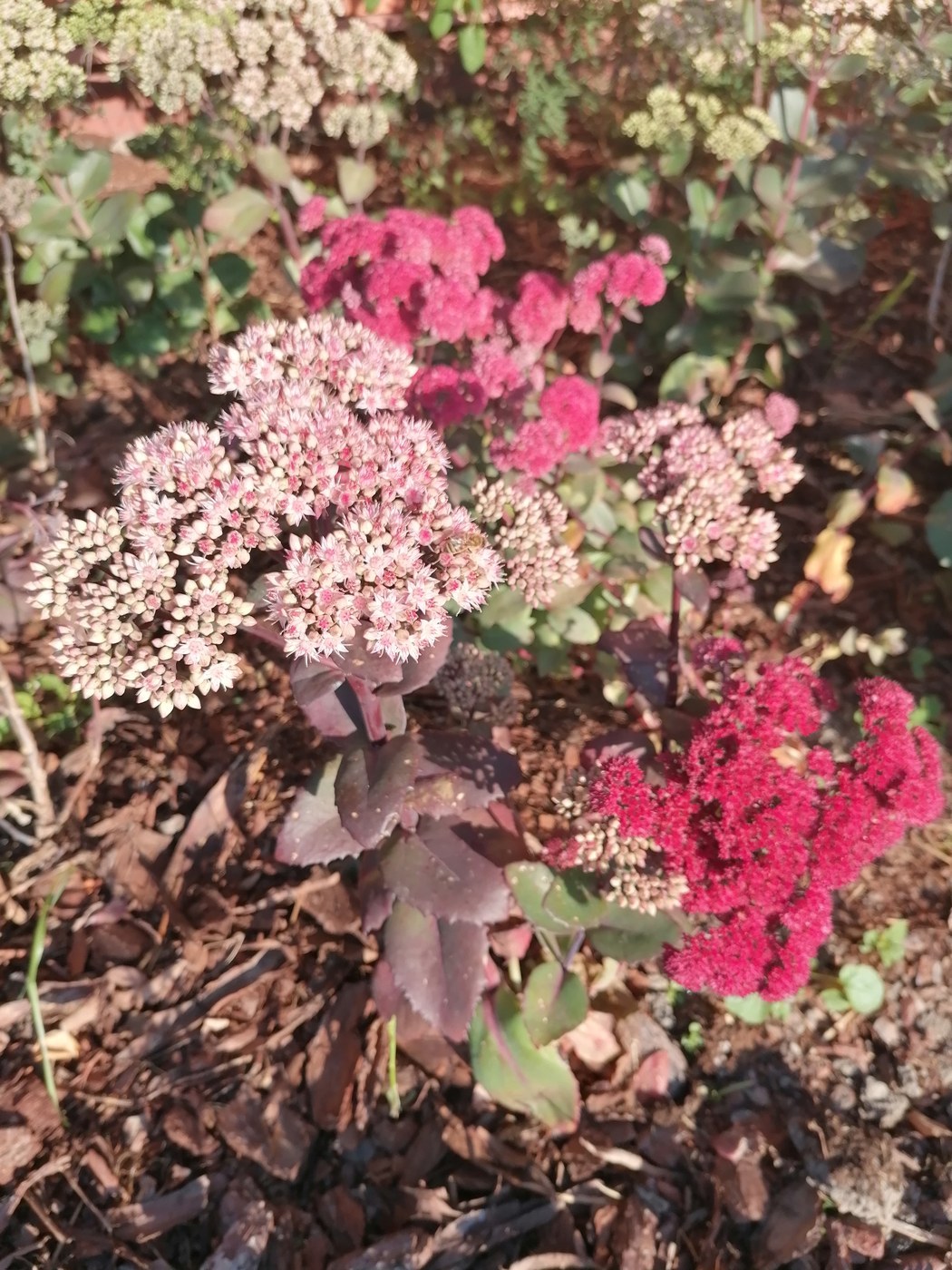
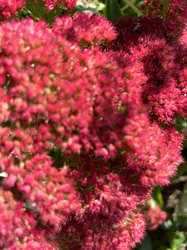
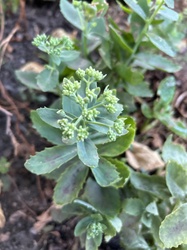
Sedum (Sedum spectabile), the showy stonecrop, is a hardy herbaceous succulent forming neat clumps of fleshy blue-green leaves topped by broad, flat flower heads that shift from pale bud to rich rose in late summer. It is one of the easiest, most forgiving plants you can grow.
Light
Give sedum full sun for the sturdiest, most self-supporting clumps and the best flower color. In full light the stems stay compact and upright. Grown in shade or too little sun, the clumps flop open in the center and lean outward, and flowering is reduced. A hot, bright spot is ideal.
Water
Water sparingly. As a true succulent, sedum stores moisture in its thick leaves and is very drought-tolerant once established. Let the soil dry thoroughly between waterings and err on the side of too little rather than too much. Soggy soil is the surest way to cause rot, so overwatering is the main risk with this plant.
Soil & Potting
Sedum needs sharp, free-draining soil and thrives even in poor, gritty, or sandy ground. Heavy, moisture-retentive soil is its enemy. In containers use a gritty cactus or succulent mix, or amend regular potting soil generously with coarse sand or perlite, and always use a pot with drainage holes.
Humidity & Temperature
This is a hardy plant that copes with a wide range of temperatures and shrugs off cold winters, dying back to the ground and returning in spring. It prefers dry air over humid, stagnant conditions and appreciates good airflow. Excessive humidity combined with wet soil encourages fungal problems.
Feeding
Sedum needs very little feeding and actually grows best in lean soil. Rich soil and generous fertilizer produce tall, weak, floppy stems that splay apart. Skip feeding entirely, or give at most a light dose of a balanced fertilizer in spring on very poor soils.
Propagation
Sedum is exceptionally easy to propagate. Divide established clumps in spring, replanting the vigorous outer sections. Stem cuttings root readily when inserted into gritty soil, and even individual leaves laid on the surface will often form new plantlets. Spring and early summer are the best times to take cuttings.
Repotting / Pruning
Divide crowded clumps every few years in spring to keep them vigorous and prevent the centers from opening out. To combat floppiness in rich or shaded conditions, cut the stems back by about half in early summer for a shorter, denser plant. Leave the dried flower heads standing over winter for structure, then cut the old stems to the ground in late winter before new growth appears.
Common Problems & Pests
The classic problem is stems flopping open at the center, caused by too much shade, too much water, or overly rich soil. Root and stem rot follow from wet, poorly drained conditions. Pests are few, though aphids may cluster on new growth and mealybugs can appear on stressed plants. Correct the growing conditions and most issues resolve themselves.
Seasonal Care Tips
In spring, divide clumps and clear away last year's cut stems as new rosettes emerge. Early summer is the time for the optional cut-back to control height. Through summer, water only in extended dry spells. In autumn enjoy the flower color that draws pollinators, and leave the seed heads standing for winter interest before the late-winter tidy-up.
Frequently asked questions
Why is my sedum flopping open in the middle?
This splaying is usually caused by too little sun, too much water, or overly rich soil producing weak, tall stems. Grow it in full sun on lean, gritty soil, water sparingly, and cut the stems back by half in early summer for a denser habit.
How often should I water sedum?
Water sparingly and let the soil dry out fully between waterings. Sedum stores water in its fleshy leaves and is very drought-tolerant, so it is far more likely to suffer from overwatering than from drought.
How do I propagate sedum?
It is very easy. Divide clumps in spring, take stem cuttings that root readily in gritty soil, or even lay individual leaves on the soil surface, where they often form new plantlets.
Should I cut sedum back for winter?
You can leave the dried flower heads standing over winter for structure and interest, then cut the old stems down to ground level in late winter before the new spring growth emerges.
Sedum identified by the community
Recent Sedum specimens identified with Plant Identifier.