Sedum
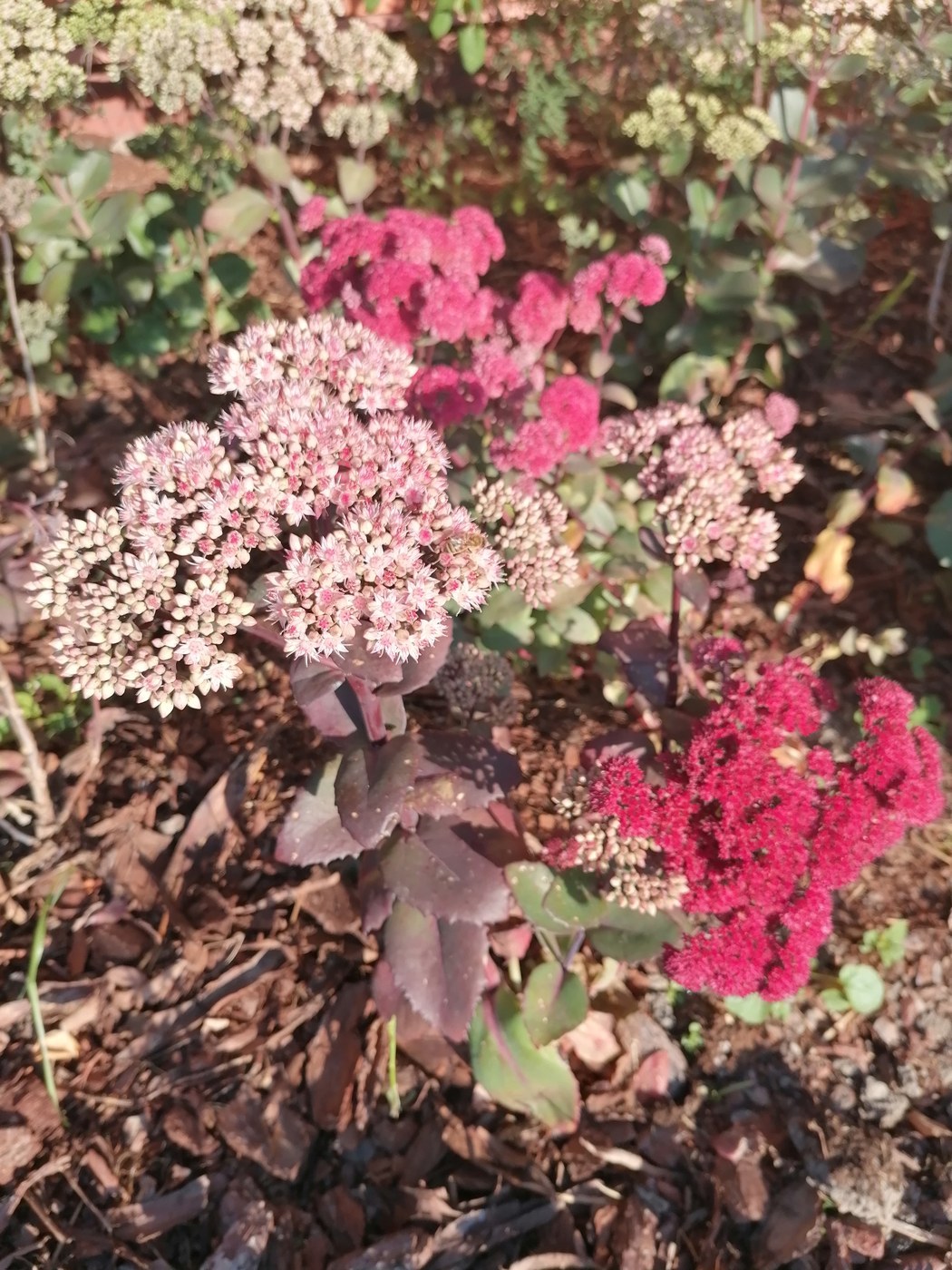
Sedum spectabile
A diverse group of fleshy-leaved succulents ranging from low creeping groundcovers to upright clumps topped with broad flower heads. Tough, drought-proof, and excellent for pollinators in fall.
- Light
- Full sun
- Water
- Sparingly; very drought-tolerant
- Difficulty
- Easy
Got a plant like this?
Identify any plant from a photo, free.
Overview
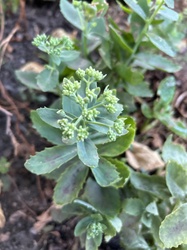
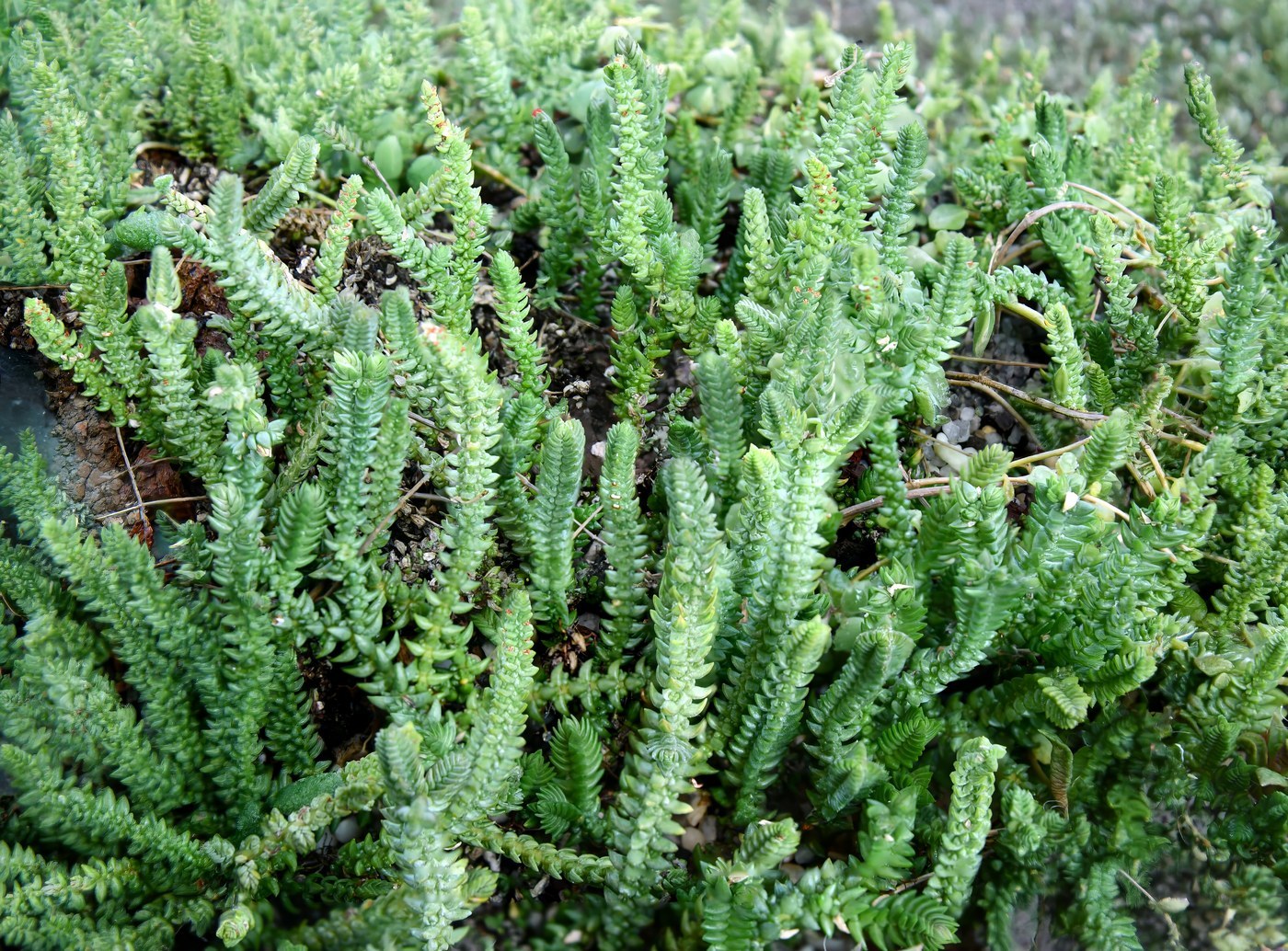
Sedum, or stonecrop, is a large and varied genus of succulents whose thick, water-storing leaves make them among the easiest and most drought-tolerant garden plants. They fall broadly into two camps: low, mat-forming groundcovers, and taller upright border types like the popular 'Autumn Joy' (now classed in Hylotelephium).
The upright kinds form sturdy clumps topped in late summer and fall by broad, flat flower clusters that shift from pale green to pink to rusty bronze, providing crucial late-season nectar.
Thriving on neglect in hot, dry, lean conditions, sedums are staples of rock gardens, green roofs, and low-water landscapes.
How to identify it
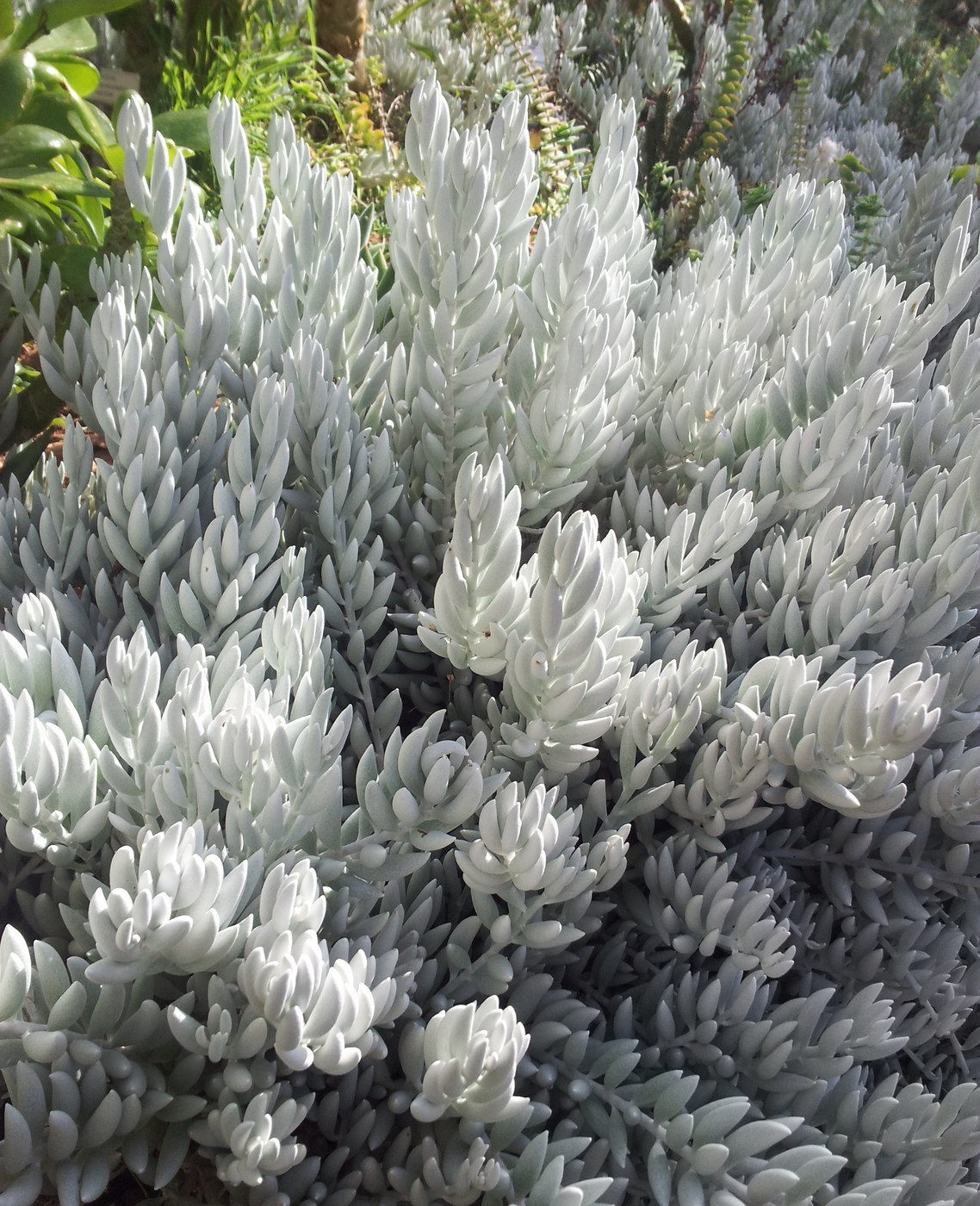
- Leaves: Thick, fleshy, succulent; rounded or oval (upright types) or small and scale-like (creeping types), in green, blue-gray, or burgundy
- Flowers: Dense, flat-topped clusters of tiny star-shaped flowers, often pink, rose, yellow, or white
- Habit: Either low spreading mats a few inches tall or upright clumps 1-2 ft tall
- Bloom time: Upright types bloom late summer into fall; creepers often in summer
- Seed heads: Upright forms hold attractive rusty seed heads through winter
Care & growing
Light: Full sun for compact, sturdy growth; too much shade causes flopping.
Water: Very drought-tolerant; water sparingly and avoid soggy soil, which causes rot.
Soil: Lean, gritty, well-drained soil; tolerates poor, rocky, and sandy ground.
Temperature: Most are hardy in USDA zones 3-9, varying by species.
Feeding: None needed; rich soil causes weak, floppy stems.
Propagation: Extremely easy from stem or leaf cuttings, or by division. Leave upright seed heads standing for winter interest and cut back in early spring.
Habitat & origin
Sedum species are native to rocky, dry habitats across the Northern Hemisphere, including mountains, cliffs, and well-drained slopes in Europe, Asia, and North America.
Sedum spectabile (showy stonecrop) hails from China and Korea. Their adaptation to lean, exposed sites makes sedums ideal for rock gardens, green roofs, walls, and xeriscapes worldwide.
Frequently asked questions
Why is my upright sedum flopping over?
Flopping is caused by too much shade, rich soil, or excess water. Grow in full sun and lean soil, or pinch back stems in early summer for sturdier growth.
How do I propagate sedum?
Very easily. Take stem or leaf cuttings, let them callus briefly, and set them in soil, or divide clumps in spring. Most pieces root readily.
Does sedum need much water?
No, sedums are succulents and very drought-tolerant. Water sparingly and ensure sharp drainage, since soggy soil causes rot.
Are sedums good for pollinators?
Upright fall-blooming sedums are excellent, offering abundant late-season nectar for bees and butterflies when little else is flowering.
Sedum guides
In-depth guides for identifying, growing, and caring for Sedum.
How to Care for Sedum
Sedum is a tough, drought-tolerant succulent for full sun; water sparingly, plant in gritty soil, and divide in spring.
Sedum Identification Guide
Identify sedum (stonecrop) by its thick, water-storing succulent leaves and clustered star-shaped flowers, in both upright and creeping forms.
Sedum identified by the community
Real specimens identified with Plant Identifier.