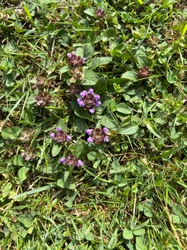
How to Care for Self-Heal
Grow Self-Heal (Prunella vulgaris), a tough low-growing perennial with purple flower spikes that thrives in sun or partial shade.
Read the full Self-Heal encyclopedia entry →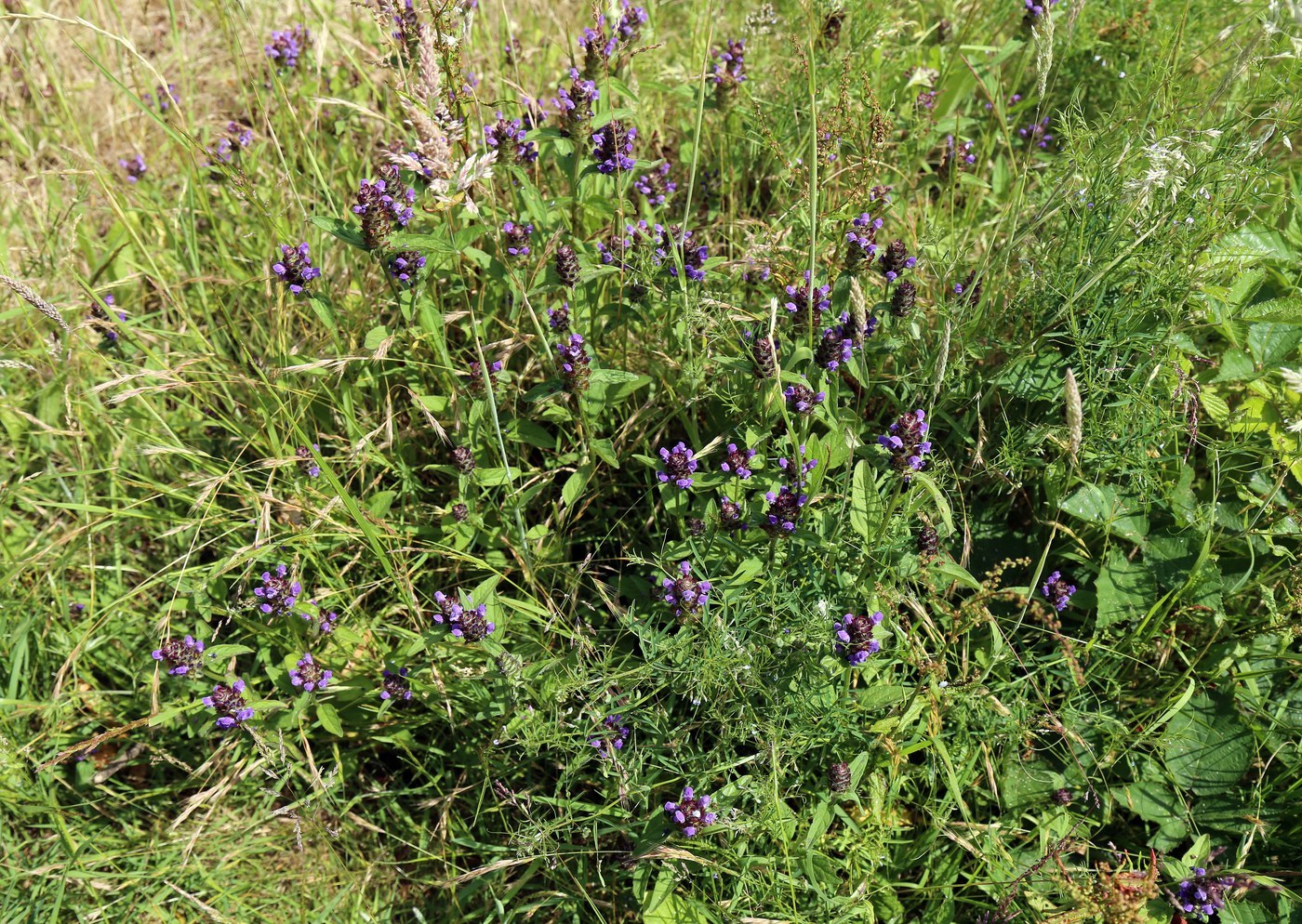
Self-Heal (Prunella vulgaris) is a low, spreading perennial in the mint family prized for its dense spikes of violet-purple flowers and its forgiving, easygoing nature. It works beautifully as a groundcover, lawn alternative, or informal edging and asks very little once settled in.
Light
Self-Heal grows well in full sun to partial shade, which makes it adaptable to many garden situations. In hot climates a little afternoon shade keeps the foliage lush and prevents the mats from scorching, while in cooler regions full sun produces the most compact growth and the heaviest flowering. In deep shade plants become leggy and bloom sparsely.
Water
Water is moderate and this plant tolerates a wide range of conditions. Keep the soil evenly moist during establishment and through the first growing season. Once rooted, Self-Heal handles ordinary garden moisture and brief dry spells, though it prefers not to bake bone-dry for long stretches. Consistent moisture keeps the foliage greener and extends the bloom period.
Soil & Potting
Plant in average, well-drained garden soil. Self-Heal is genuinely unfussy and will grow in loam, clay-loam, or sandy soils across a broad pH range. A little organic matter worked into the bed improves moisture retention and vigor. For container culture use a standard potting mix; the plant's shallow, spreading roots do fine in wide, shallow pots.
Humidity & Temperature
This is a cold-hardy temperate perennial that shrugs off frost and typically survives winters in USDA zones 4 through 9. It has no special humidity needs and thrives in ordinary outdoor air. Plants die back in hard winters and flush again from the crown in spring.
Feeding
Feeding is rarely necessary. In poor soils a single light application of a balanced, slow-release fertilizer in spring supports steady growth. Avoid heavy nitrogen, which pushes soft leafy growth at the expense of flowers and can make the mats floppy.
Propagation
Self-Heal propagates easily several ways. Division in spring or autumn is the quickest: lift a clump and pull apart rooted sections. It also self-layers as the stems creep and root at the nodes, so you can detach rooted runners. Seed germinates readily when surface-sown in spring; barely cover it and keep the surface moist.
Repotting / Pruning
Shear the whole plant back after the main flush of bloom to tidy the mat and often trigger a second round of flowers. If it spreads farther than you want, simply pull or edge out the wandering runners. Container plants can be divided and refreshed every couple of years to keep them vigorous.
Common Problems & Pests
Self-Heal is remarkably trouble-free. In consistently wet, poorly drained sites it can develop root rot or foliar mildew, so improve drainage and airflow if you see either. Its main quirk is enthusiasm: it self-seeds and creeps, so site it where a little spreading is welcome or deadhead to limit reseeding.
Seasonal Care Tips
In spring, divide crowded clumps and clear away winter debris. Through summer, keep soil lightly moist and shear after the first bloom to encourage repeat flowering. In autumn, allow some seed heads to remain if you want it to naturalize, or cut back to tidy the bed. In winter the plant rests as a low crown and needs no protection in its hardiness range.
Frequently asked questions
Can Self-Heal be used as a lawn alternative?
Yes. Its low, creeping, mat-forming habit tolerates light foot traffic and mowing, making it a popular choice for informal lawn-alternative plantings and groundcover.
How do I stop Self-Heal from spreading too much?
Shear off the flower spikes before they set seed and pull up creeping runners as they root. Growing it in a contained bed or edged border also keeps it in bounds.
Does Self-Heal grow well in containers?
It does. Use a wide, shallow pot with standard potting mix, keep it evenly moist, and divide it every couple of years to keep the plant vigorous.
Why is my Self-Heal blooming poorly?
Too much shade or excess nitrogen are the usual culprits. Move it to a brighter spot and ease off high-nitrogen feed to encourage more flower spikes.
Self-Heal identified by the community
Recent Self-Heal specimens identified with Plant Identifier.