
How to Care for Serviceberry
Grow Amelanchier canadensis, an easy four-season shrub, in sun to part shade with moist, well-drained soil for spring bloom and fall color.
Read the full Serviceberry encyclopedia entry →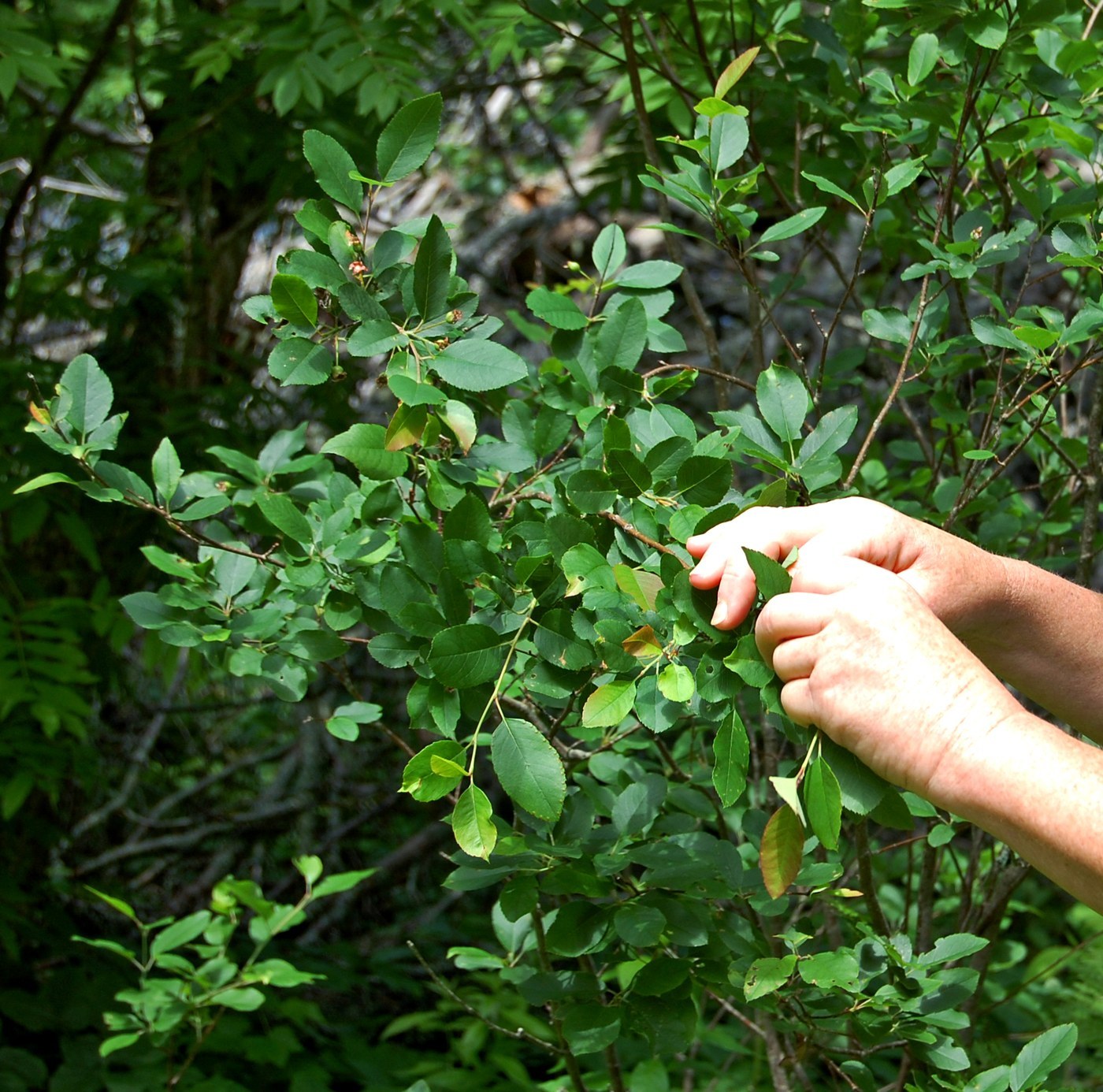
Serviceberry (Amelanchier canadensis) is a hardy, easy-care deciduous shrub or small tree valued for its four seasons of ornamental interest: clouds of white spring flowers, colorful berries, brilliant orange-red fall foliage, and attractive gray bark. It is an adaptable native that suits naturalistic landscapes and mixed borders.
Light
Serviceberry grows well in full sun to part shade. In full sun it produces the heaviest flowering, best fruit set, and most vivid autumn color, while in part shade it remains healthy with a slightly more open habit. A position receiving at least a half day of sun gives the best all-around display, and it naturally thrives at woodland edges.
Water
Keep the soil evenly moist, particularly during the first few years of establishment and through dry summer spells. Serviceberry appreciates moderate, consistent moisture and does not like to dry out completely, though established plants develop reasonable drought tolerance. Apply an organic mulch around the base to conserve moisture and moderate soil temperature, keeping mulch back from the trunk.
Soil & Potting
This adaptable shrub prefers moist, well-drained soil rich in organic matter, with a slightly acidic to neutral pH. It tolerates a range of soils, including sandy and clay types, provided drainage is adequate; it naturally grows in moist sites and even tolerates occasional wet conditions. Improve poor soils with compost at planting time to give roots a strong start.
Humidity & Temperature
Serviceberry is very cold-hardy and well suited to temperate climates with cold winters, which it needs for its natural dormancy and reliable spring bloom. It is unfussy about humidity and adapts to typical outdoor conditions across a wide climate range. It handles both cold snaps and summer warmth without special protection.
Feeding
Serviceberry is a light feeder. In most fertile soils it needs little supplemental fertilizer. If growth is weak, apply a balanced slow-release fertilizer or a top-dressing of compost in early spring as buds break. An annual layer of organic mulch typically supplies enough nutrition to keep the plant healthy and vigorous.
Propagation
Serviceberry can be propagated from seed, which benefits from cold stratification, though seedlings are slow to reach flowering size. It also produces suckers that can be dug and divided from the base of the plant to create new specimens. Softwood cuttings taken in early summer can be rooted under humid conditions, and layering low branches is another reliable option.
Repotting / Pruning
Serviceberry needs little pruning. Prune after flowering to shape the plant, remove dead, damaged, or crossing branches, and maintain either a multi-stemmed shrub or a single-trunk tree form. Remove basal suckers if you prefer a tidier tree shape, or leave them for a fuller, thicket-like clump. Any container-grown young plant should be moved to a larger pot or the ground as it outgrows its space.
Common Problems & Pests
Serviceberry is generally healthy but, as a member of the rose family, can be susceptible to rust, powdery mildew, leaf spot, and fire blight, especially in humid conditions or crowded plantings. Promote good air circulation, avoid overhead watering, and remove affected growth promptly. Aphids, leaf miners, and borers occasionally appear; keeping the plant vigorous is the best defense against pest problems.
Seasonal Care Tips
In spring, enjoy the early white flowers, refresh the mulch, and feed lightly if needed. Through summer, water during dry spells to keep the soil moist while berries develop. In autumn, appreciate the fiery fall color; this is also a good time for planting or transplanting. In winter, the plant is dormant, and structural pruning can be done in late winter before growth resumes, though shaping right after flowering is preferred.
Frequently asked questions
How big does a serviceberry get?
Amelanchier canadensis is a large shrub or small tree that typically grows to roughly 15 to 25 feet tall, often multi-stemmed. It can be maintained smaller with pruning or trained to a single-trunk form.
Does serviceberry grow in shade?
It grows in full sun to part shade. Full sun gives the best flowering, fruit set, and fall color, while part shade produces a healthy but slightly more open plant. It naturally thrives at woodland edges.
When does serviceberry bloom?
It bursts into clouds of white flowers in early spring, among the first shrubs to bloom. Colorful berries follow in summer, and the foliage turns brilliant orange-red in autumn.
Does serviceberry need pruning?
It needs little pruning. Prune after flowering to shape it and remove dead, damaged, or crossing branches. Remove basal suckers for a neat tree form, or leave them for a fuller shrub.