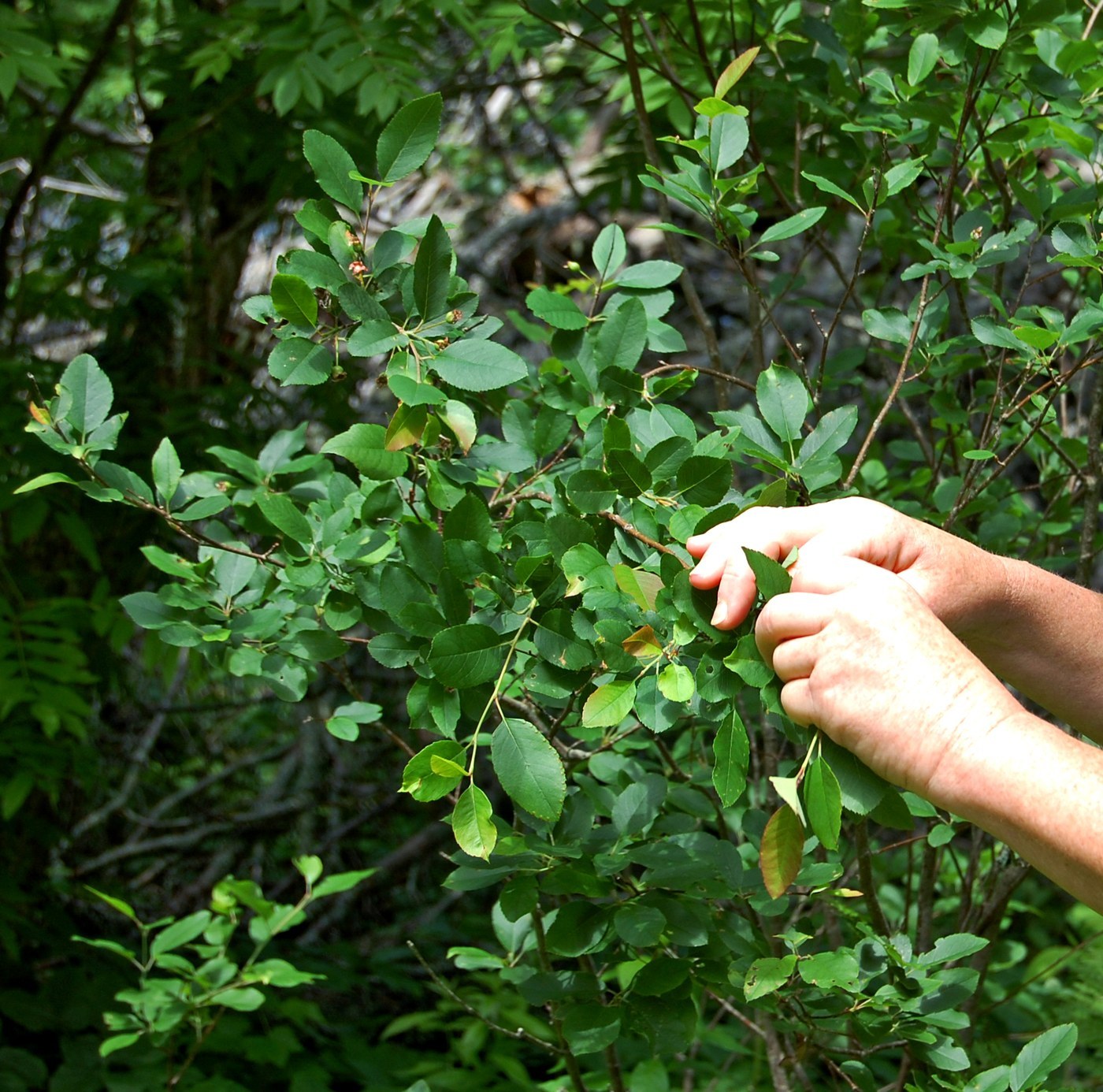
Serviceberry
Amelanchier canadensis
The serviceberry is a hardy deciduous shrub or small tree offering white spring blossoms, colorful summer berries, and brilliant fall color. It is a versatile four-season native plant beloved by gardeners and wildlife alike.
- Light
- Full sun to part shade
- Water
- Moderate; keep evenly moist
- Difficulty
- Easy
Got a plant like this?
Identify any plant from a photo, free.
Overview
Amelanchier species, commonly called serviceberry, juneberry, or saskatoon, are deciduous shrubs and small trees native to North America, prized for their year-round ornamental value.
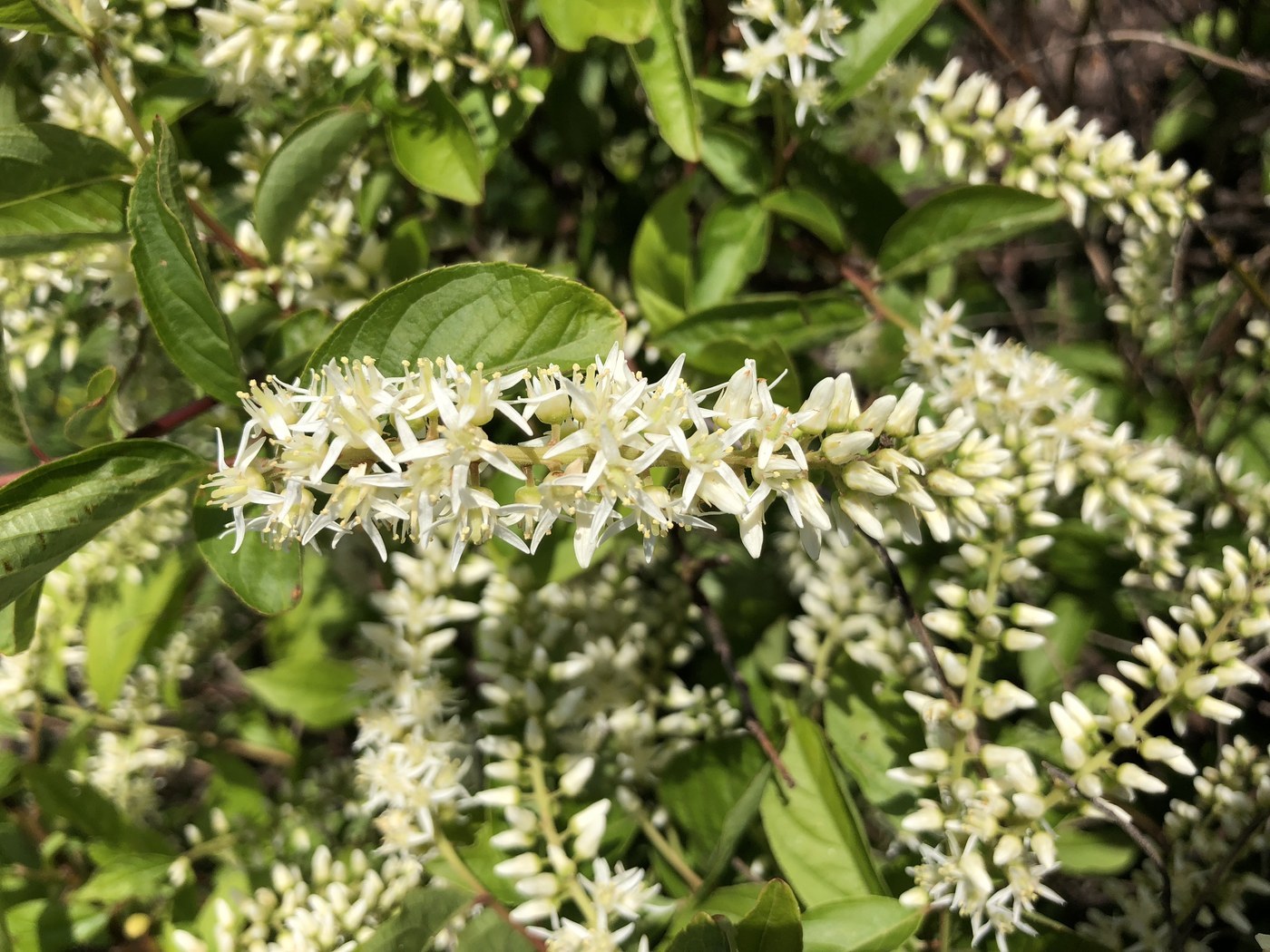
In early spring, before or with the leaves, they bear clouds of delicate white star-shaped flowers. These are followed in early summer by small, round, blueberry-like fruits that ripen reddish-purple to dark blue. Autumn brings fiery orange and red foliage.
The common name shadbush refers to its blooming when shad fish run upstream, while juneberry marks its early summer fruiting. Adaptable and cold-hardy, it suits gardens, hedgerows, and naturalized plantings.
How to identify it
A multi-stemmed deciduous shrub or small tree, typically 3-8 m tall depending on species.
- Leaves: alternate, oval, finely toothed, often softly hairy when young; turning vivid orange-red in autumn
- Flowers: delicate, five-petalled, white, star-shaped blooms in drooping or upright clusters in early spring
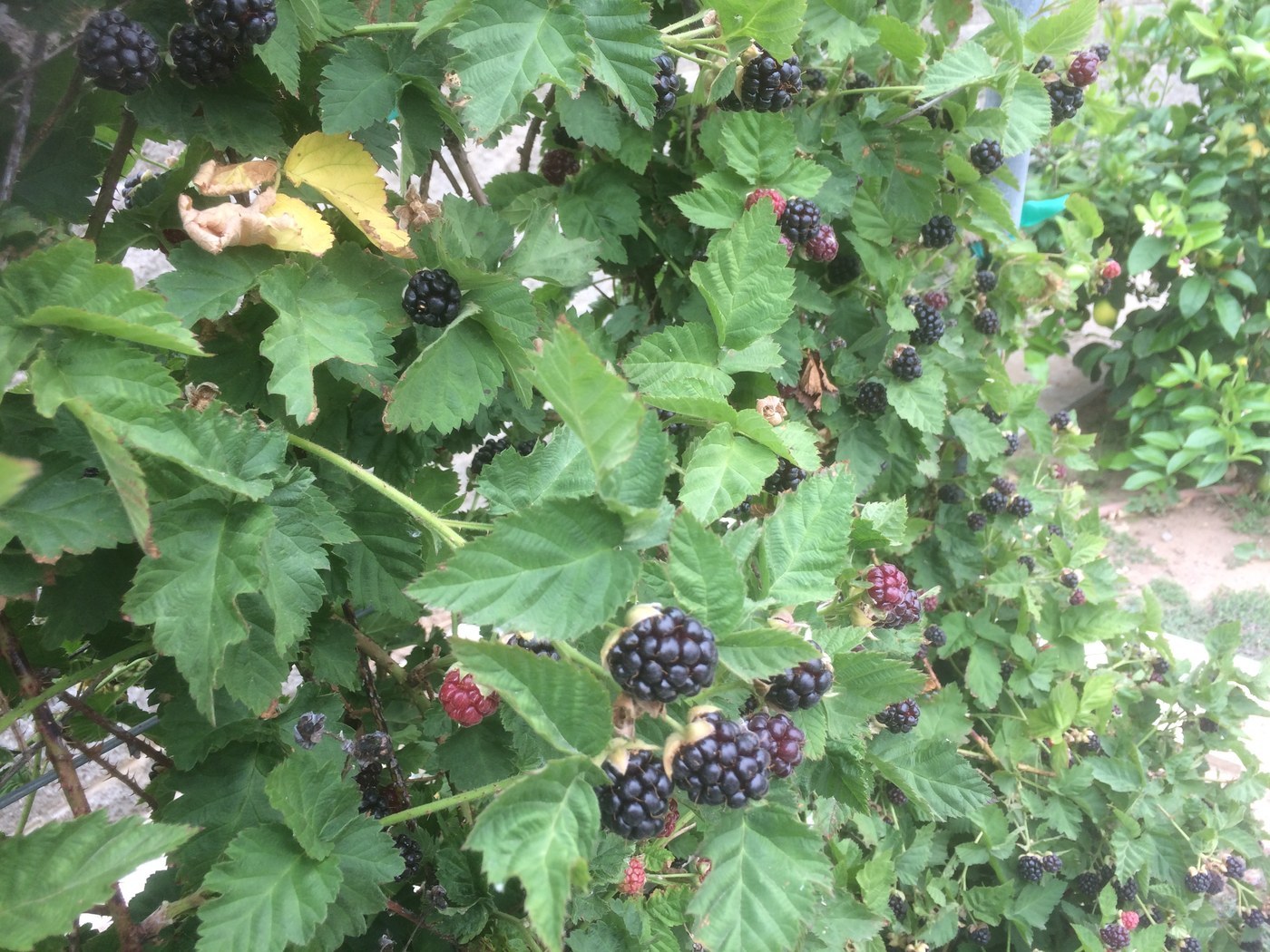
- Fruit: small, round, reddish-purple to dark blue berries (pomes) ripening in early summer
- Bark: smooth, grey, often striped, on slender stems
- Habit: upright and clumping or small-tree-like
Care & growing
An easy, cold-hardy native for many garden situations.
- Light: full sun for best flowering and fall color; tolerates partial shade
- Water: keep evenly moist, especially when young; moderately drought-tolerant once established
- Soil: prefers moist, well-drained, slightly acidic soil but adaptable
- Temperature: very cold-hardy, generally zones 3-8 depending on species
- Feeding: light feeding in spring is sufficient
- Propagation: from seed (needs cold stratification), suckers, or softwood cuttings
Habitat & origin
Native to North America, with various species ranging across the eastern United States, Canada, and the Great Plains. They grow in woodland edges, swamps, streambanks, and open slopes.
Widely cultivated in temperate gardens for ornament; the saskatoon (Amelanchier alnifolia) is also grown commercially in Canada and the northern US.
Frequently asked questions
How can I identify a serviceberry?
Look for a multi-stemmed shrub or small tree with early white star-shaped flowers, finely toothed oval leaves that turn orange-red in fall, and small round berry-like pomes in early summer.
Why is it called shadbush?
It blooms in early spring at the same time that shad fish migrate upstream, an old phenological observation that gave it the name.
Is it a shrub or a tree?
It can be either, depending on the species and pruning; many forms are multi-stemmed shrubs while others grow into small single-trunk trees.
Does it attract wildlife?
Yes, the spring flowers draw pollinators and the summer fruit is popular with many birds, making it a valuable plant for wildlife gardens.
Serviceberry guides
In-depth guides for identifying, growing, and caring for Serviceberry.
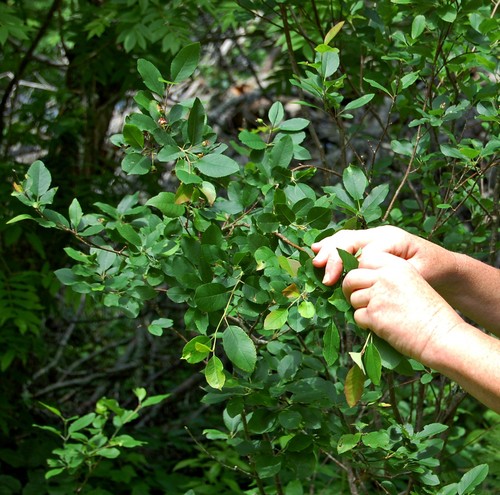
How to Care for Serviceberry
Grow Amelanchier canadensis, an easy four-season shrub, in sun to part shade with moist, well-drained soil for spring bloom and fall color.
Serviceberry Identification Guide
How to identify Serviceberry (Amelanchier) by its early white five-petaled flowers, finely toothed oval leaves, and round blueberry-like fruit.