
How to Care for Shagbark Hickory
Grow Carya ovata, a stately native shade tree with distinctive peeling gray bark, using this guide to its light, soil, and long-term care.
Read the full Shagbark Hickory encyclopedia entry →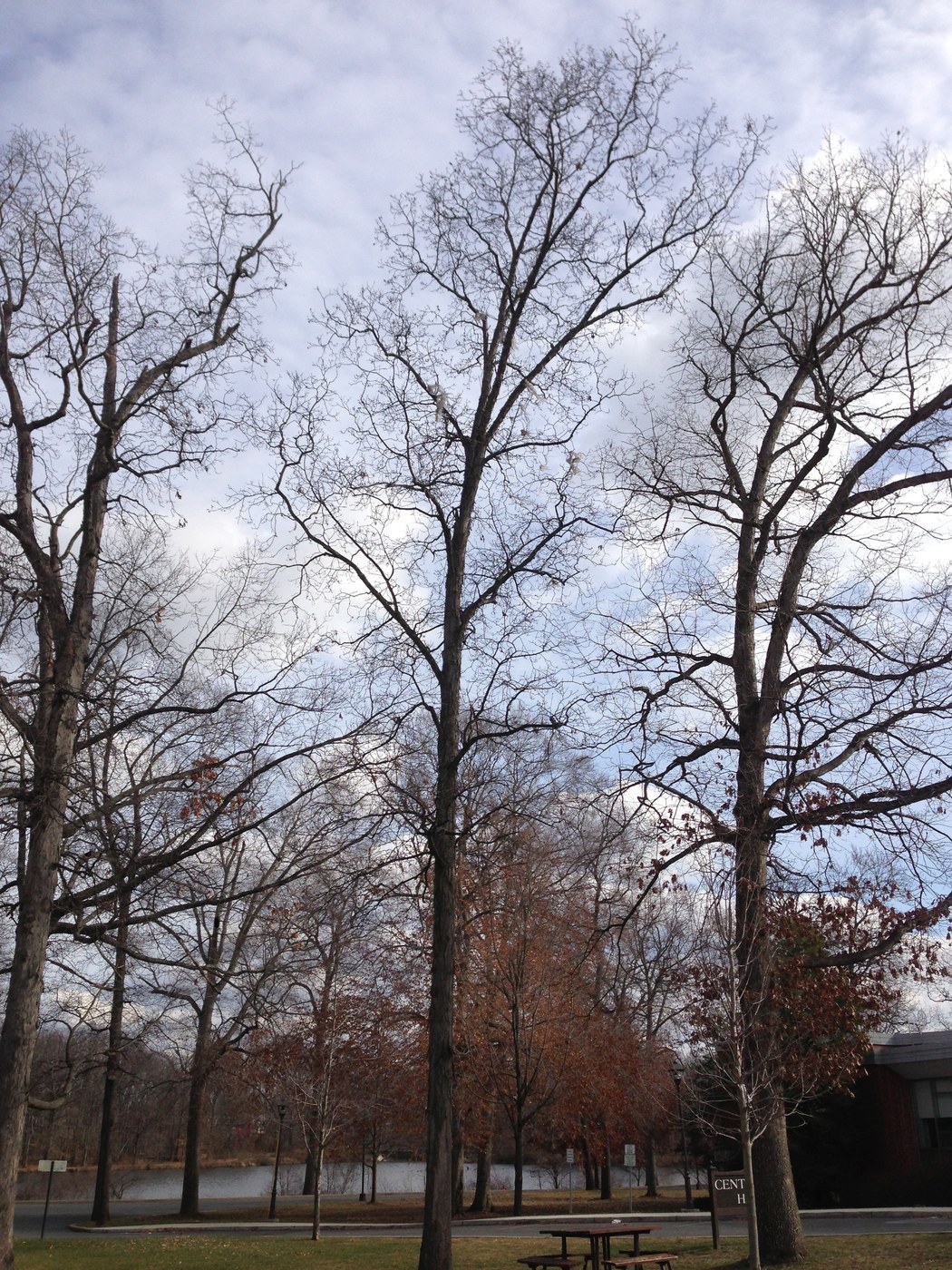
Shagbark hickory (Carya ovata) is a majestic, long-lived North American shade tree instantly recognized by its shaggy, gray bark that peels away in long, curling plates. It grows slowly into a tall, upright specimen and is a superb, low-maintenance tree for large landscapes with room to mature.
Light
Shagbark hickory needs full sun to develop a strong, well-formed crown, though young seedlings tolerate some shade in the forest understory. For landscape planting, give it an open site with at least six hours of direct sun so it grows straight and dense.
Water
Provide moderate, even moisture, particularly for the first few years while the deep taproot establishes. Mature trees are quite drought-tolerant once rooted into deep, well-drained soil. Water young trees deeply during dry spells, and avoid both prolonged drought and standing water around the trunk.
Soil & Potting
It performs best in deep, fertile, well-drained loam but adapts to a range of soils from moist bottomlands to drier upland sites. It develops a long taproot, so plant it in its permanent position early; large hickories transplant poorly. If starting in a container, use a deep pot and move the young tree to the ground while small.
Humidity & Temperature
A tree of the temperate eastern woodlands, shagbark hickory is very cold hardy (roughly USDA zones 4-8) and untroubled by humid summers or hard winters. It needs the natural seasonal cycle of a temperate climate, including winter dormancy, to thrive.
Feeding
Established trees in reasonable soil rarely need feeding. For young trees, a light spring application of balanced fertilizer or a topdressing of compost supports steady growth. Avoid heavy nitrogen, which can force weak growth; hickories are naturally slow, sturdy growers.
Propagation
Shagbark hickory is grown from seed. Collect ripe nuts in autumn and give them a period of cold, moist stratification over winter to break dormancy before sowing in spring. Because of the deep taproot, sow seeds directly where the tree is to grow, or in deep pots, and transplant while very young.
Repotting / Pruning
Prune young trees in late winter while dormant to establish a strong central leader and remove crossing or damaged branches; mature trees need little pruning. Take care with timing, as hickories can bleed sap if cut in early spring. Container-grown saplings should be planted out promptly before the taproot circles or is stunted.
Common Problems & Pests
Shagbark hickory is generally tough and pest-resilient. It can host hickory bark beetles, various caterpillars, aphids, and gall-forming insects, and may show leaf spots, anthracnose, or powdery mildew in wet seasons, though these rarely threaten a healthy tree. Its long taproot and dislike of transplanting are the main practical challenges.
Seasonal Care Tips
Plant or sow in autumn or early spring while the tree is dormant and small. Water young trees through their first summers and mulch the root zone to conserve moisture and suppress weeds. Prune during dormancy in late winter. Expect slow but steady growth; this is a tree planted for generations, so give it space and patience.
Frequently asked questions
Why is the bark so shaggy?
Mature shagbark hickory sheds its gray bark in long, curling vertical plates that peel away from the trunk, giving the tree its shaggy appearance and its name.
How fast does shagbark hickory grow?
It is a slow grower that develops into a tall, long-lived tree over many decades. Plant it where it has room to mature and be patient with its steady pace.
Can I transplant a shagbark hickory?
It transplants poorly because of its deep taproot. Plant seeds or young saplings directly in their permanent spot while small rather than moving established trees.
How do I grow one from seed?
Collect ripe nuts in fall and give them cold, moist stratification over winter, then sow in spring, ideally directly where the tree will grow to protect the taproot.
When should I prune it?
Prune in late winter while the tree is dormant to shape young trees. Avoid early-spring cuts, which can cause heavy sap bleeding.