Shagbark Hickory
Carya ovata
A tall native hardwood instantly recognized by its shaggy, peeling gray bark. A long-lived tree of eastern North American forests.
- Light
- Full sun
- Water
- Moderate; deep well-drained soil
- Difficulty
- Moderate
Got a plant like this?
Identify any plant from a photo, free.
Overview
Shagbark hickory is a large, long-lived deciduous hardwood native to eastern North America, named for its dramatic bark that peels away in long, curling, shaggy strips, giving mature trunks a distinctive ragged appearance.
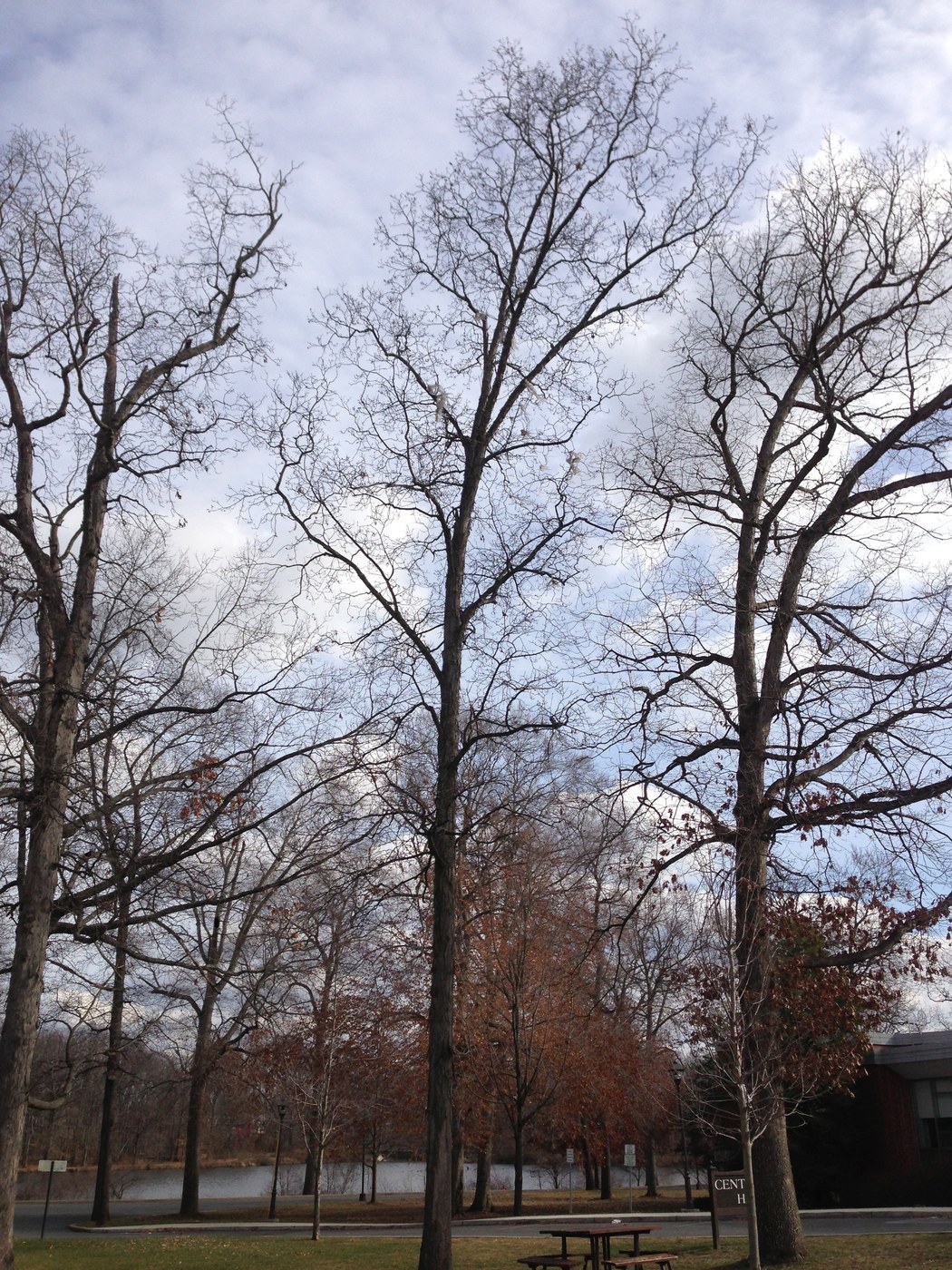
It grows tall and straight with a narrow, oblong crown and produces nuts inside thick husks. The wood is exceptionally hard, strong and shock-resistant.
Slow-growing and deep-rooted, it is a hallmark of upland hardwood forests and an important resource for wildlife.
How to identify it
- Bark: the signature feature—light gray, separating into long, loose, curling plates that peel at top and bottom
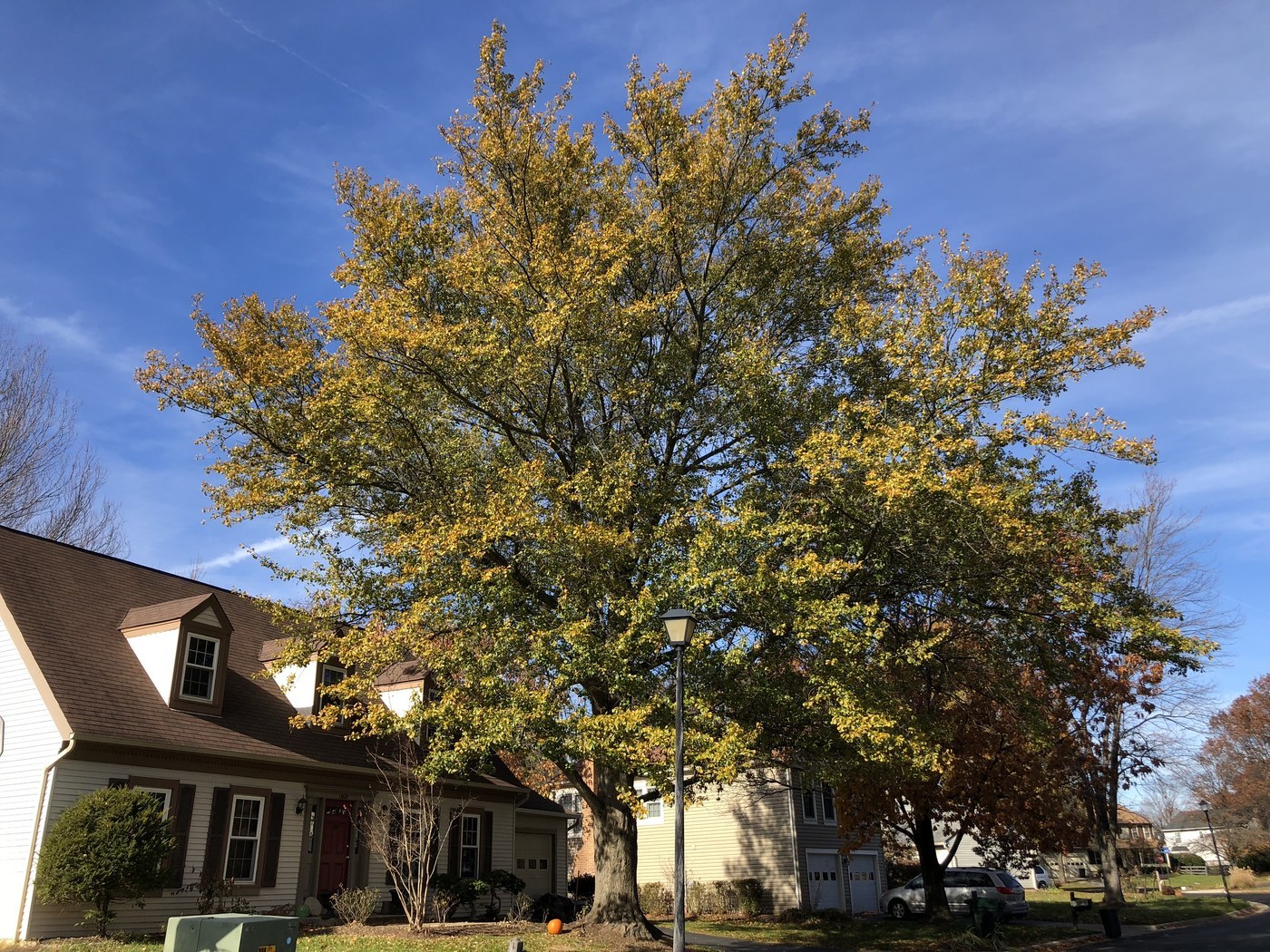
- Leaves: alternate, pinnately compound, usually 5 leaflets (occasionally 7), the terminal three larger; golden yellow in fall
- Fruit: round nut in a thick husk that splits cleanly into four sections
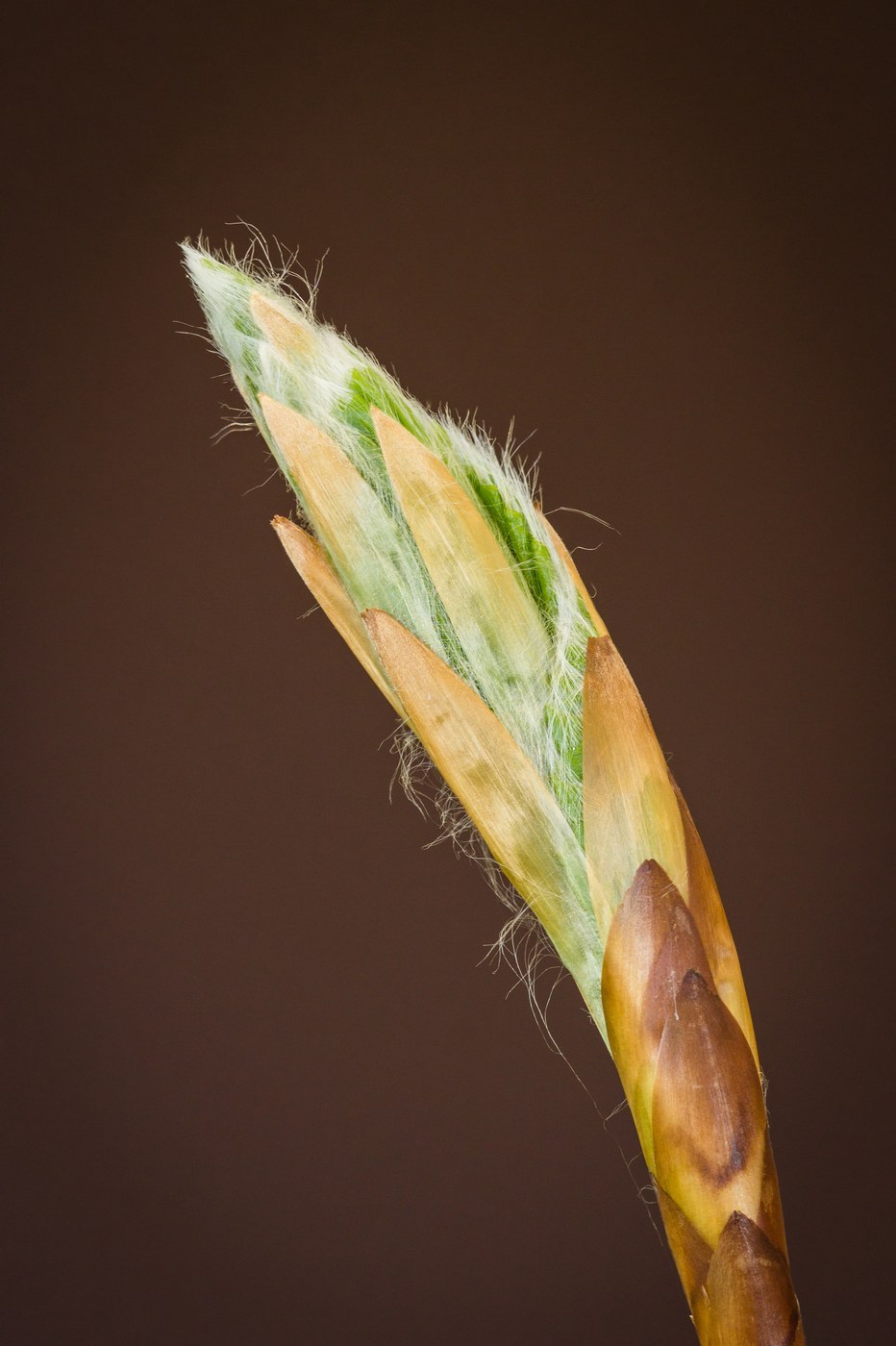
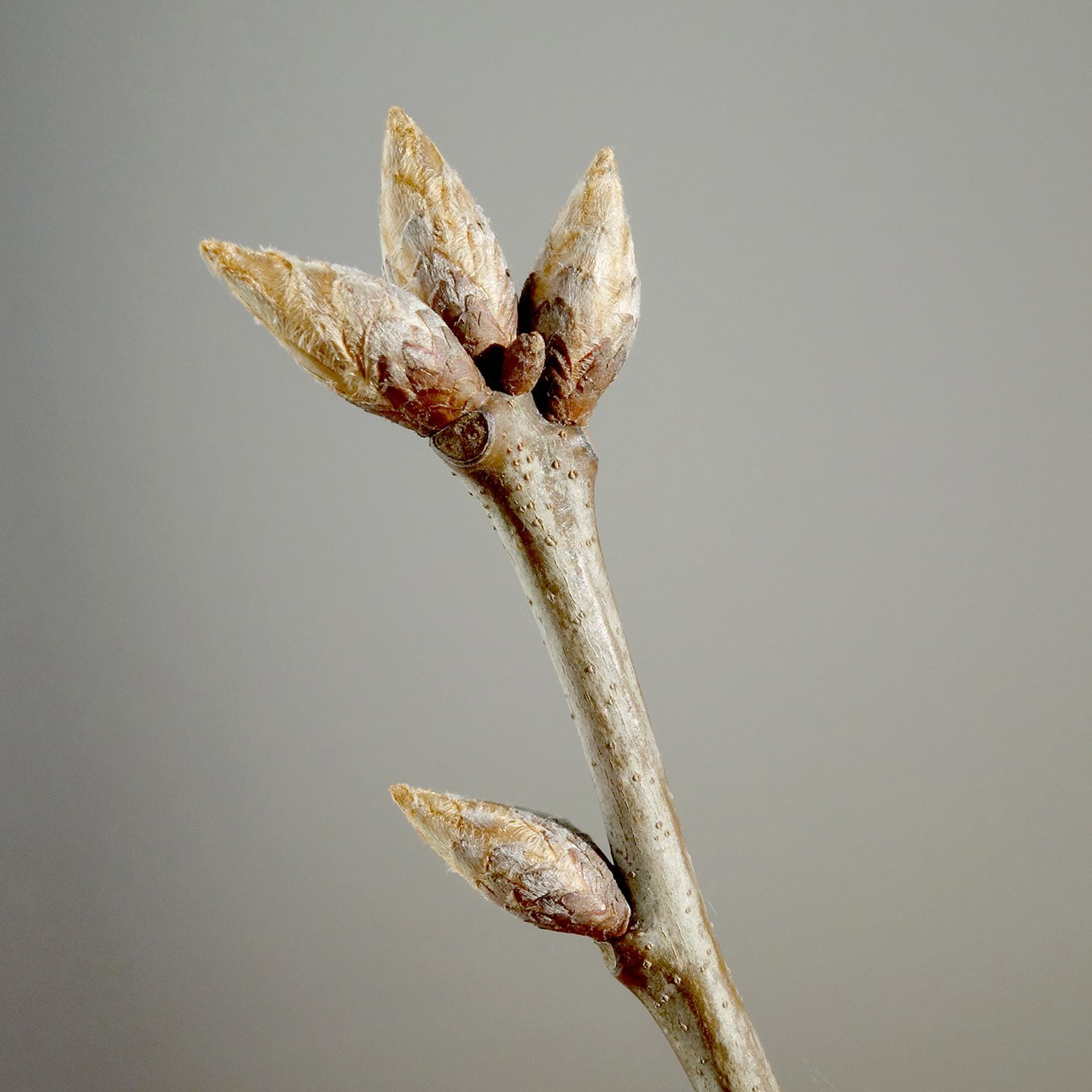
- Buds: large, plump terminal buds with loose outer scales
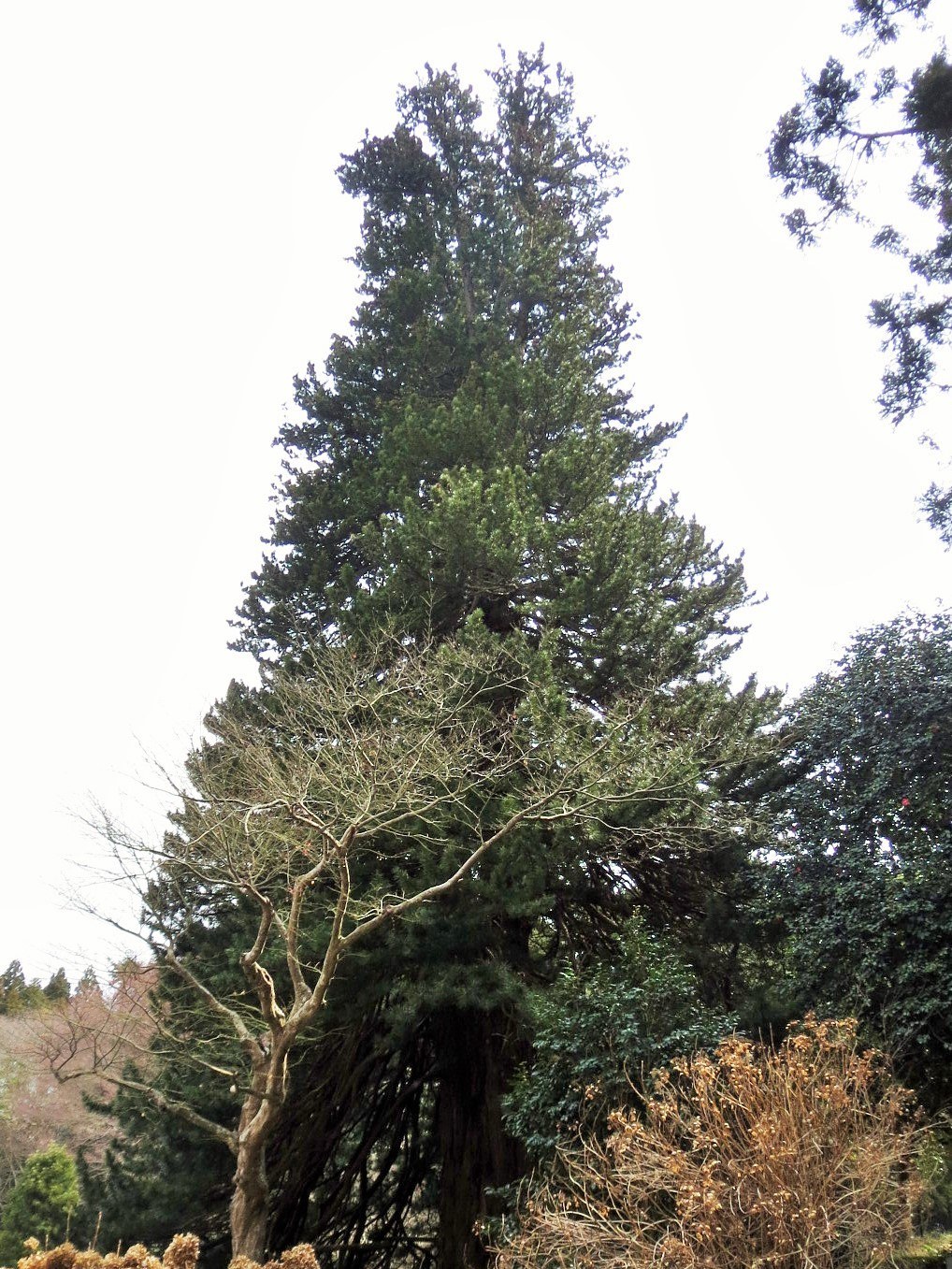
- Size: 70-90 ft tall with a straight trunk and narrow crown
Care & growing
- Light: full sun for best growth
- Water: moderate; prefers deep, moist, well-drained soil
- Soil: tolerates a range but grows best in rich upland or bottomland loam
- Temperature: hardy in USDA zones 4-8
- Feeding: rarely needed
- Propagation: from seed (nuts need cold stratification); difficult to transplant due to a deep taproot, so plant young
Habitat & origin
Native to eastern North America, from southern Quebec and Maine south to Georgia and west to eastern Texas and the Great Plains.
It grows in upland forests, well-drained slopes and rich bottomlands, usually as scattered individuals mixed with oaks and other hardwoods. Its deep taproot makes it slow to establish but very long-lived, sometimes exceeding 200 years.
Frequently asked questions
How do I identify a shagbark hickory?
The unmistakable shaggy gray bark peeling in long curling strips, combined with compound leaves of usually five leaflets, makes it easy to recognize.
How big does it get?
It is a large hardwood, typically reaching 70 to 90 feet tall with a straight trunk and a narrow, oblong crown.
Why is it hard to transplant?
Like other hickories it forms a deep taproot early, so it resents disturbance; start with young, container-grown trees for the best success.
How long does it live?
Shagbark hickory is slow-growing and very long-lived, with some trees exceeding 200 years of age.
Shagbark Hickory guides
In-depth guides for identifying, growing, and caring for Shagbark Hickory.
How to Care for Shagbark Hickory
Grow Carya ovata, a stately native shade tree with distinctive peeling gray bark, using this guide to its light, soil, and long-term care.
Shagbark Hickory Identification Guide
How to identify shagbark hickory (Carya ovata) by its shaggy peeling bark, compound leaves with five leaflets, and round nuts in splitting husks.