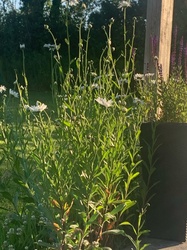
How to Care for Shasta Daisy
Grow Shasta Daisy for classic white blooms with golden centers all summer; give it full sun, moderate water, and deadheading.
Read the full Shasta Daisy encyclopedia entry →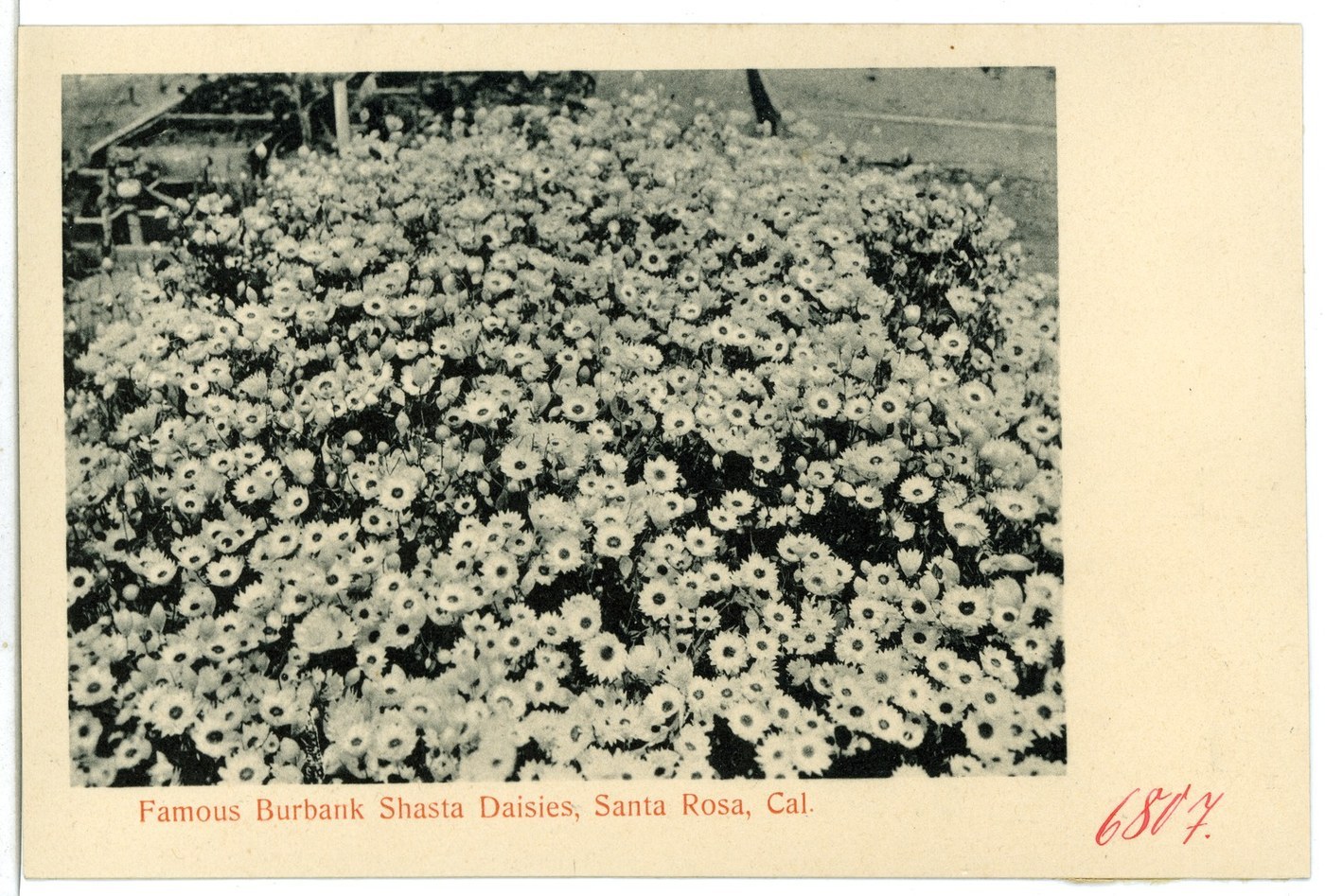
The Shasta Daisy (Leucanthemum x superbum) is a beloved, dependable perennial that produces cheerful white flowers with sunny yellow centers throughout summer. Robust and long-blooming, it is an easy backbone plant for sunny borders and a superb cut flower.
Light
Shasta Daisy needs full sun, at least six hours daily, for sturdy stems and prolific blooms. It tolerates a little afternoon shade in very hot regions, but too much shade makes plants leggy and flowering weak. The more sun, the better the flowering display.
Water
Provide moderate, regular water, roughly weekly, keeping the soil evenly moist but not soggy. Once established, Shasta Daisy is fairly drought tolerant, though consistent moisture yields more and larger blooms. Let the surface dry slightly between waterings and avoid waterlogging.
Soil & Potting
Grow in well-drained, moderately fertile soil with a neutral pH. Shasta Daisy resents heavy, wet clay, which causes root rot and winter loss, so amend dense soils with organic matter and grit. In containers use a quality free-draining potting mix.
Humidity & Temperature
This is a hardy perennial that thrives in temperate climates and tolerates cold winters well, dying back and returning each spring. It has no special humidity needs but appreciates good airflow to keep foliage dry and disease-free in humid summers.
Feeding
Feed lightly in spring with a balanced fertilizer or a top-dressing of compost to fuel the season's growth and bloom. Avoid excess nitrogen, which produces floppy foliage and fewer flowers. A midsummer feed can support a strong second flush after deadheading.
Propagation
The easiest method is division: lift and split clumps every two to three years in spring or fall. It also grows readily from seed and from basal cuttings. Division not only makes new plants but rejuvenates old clumps that flower less over time.
Repotting / Pruning
Deadhead spent flowers regularly to prolong blooming and keep plants tidy. Cut the whole plant back after the main flush to encourage rebloom, and shear foliage down in late fall or early spring. Divide crowded clumps every few years to maintain vigor.
Common Problems & Pests
Watch for aphids, earwigs, and slugs, which chew foliage and buds. Fungal leaf spots and crown rot can appear in wet, poorly drained, or crowded conditions. Ensure sharp drainage and good spacing. Floppy plants usually indicate too much shade or excess nitrogen.
Seasonal Care Tips
Plant in spring. Water and feed through the growing season and deadhead relentlessly to extend bloom. After flowering, cut back for a possible second show. In fall, tidy the dying foliage, and divide clumps in spring or fall every couple of years to keep them floriferous.
Frequently asked questions
How do I keep Shasta Daisies blooming all summer?
Deadhead spent flowers promptly and cut the plant back after its main flush. Combined with full sun and moderate feeding, this encourages repeated waves of blooms through the season.
How often should I divide Shasta Daisies?
Divide clumps every two to three years in spring or fall. Older clumps flower less and can die out in the center, so regular division keeps them vigorous and produces free new plants.
Why are my Shasta Daisies flopping over?
Floppy stems usually mean too much shade or too much nitrogen fertilizer. Grow them in full sun, feed lightly, and stake tall varieties if needed.
Are Shasta Daisies drought tolerant?
Once established they tolerate short dry spells, but they bloom best with moderate, regular watering of about once a week. Keep the soil evenly moist but never waterlogged.
Shasta Daisy identified by the community
Recent Shasta Daisy specimens identified with Plant Identifier.