Shasta Daisy
Leucanthemum x superbum
The classic cheerful garden daisy: crisp white petals around a sunny yellow eye, blooming abundantly all summer. Reliable, long-lasting, and a top-tier cut flower.
- Light
- Full sun
- Water
- Weekly; moderate moisture
- Difficulty
- Easy
Got a plant like this?
Identify any plant from a photo, free.
Overview
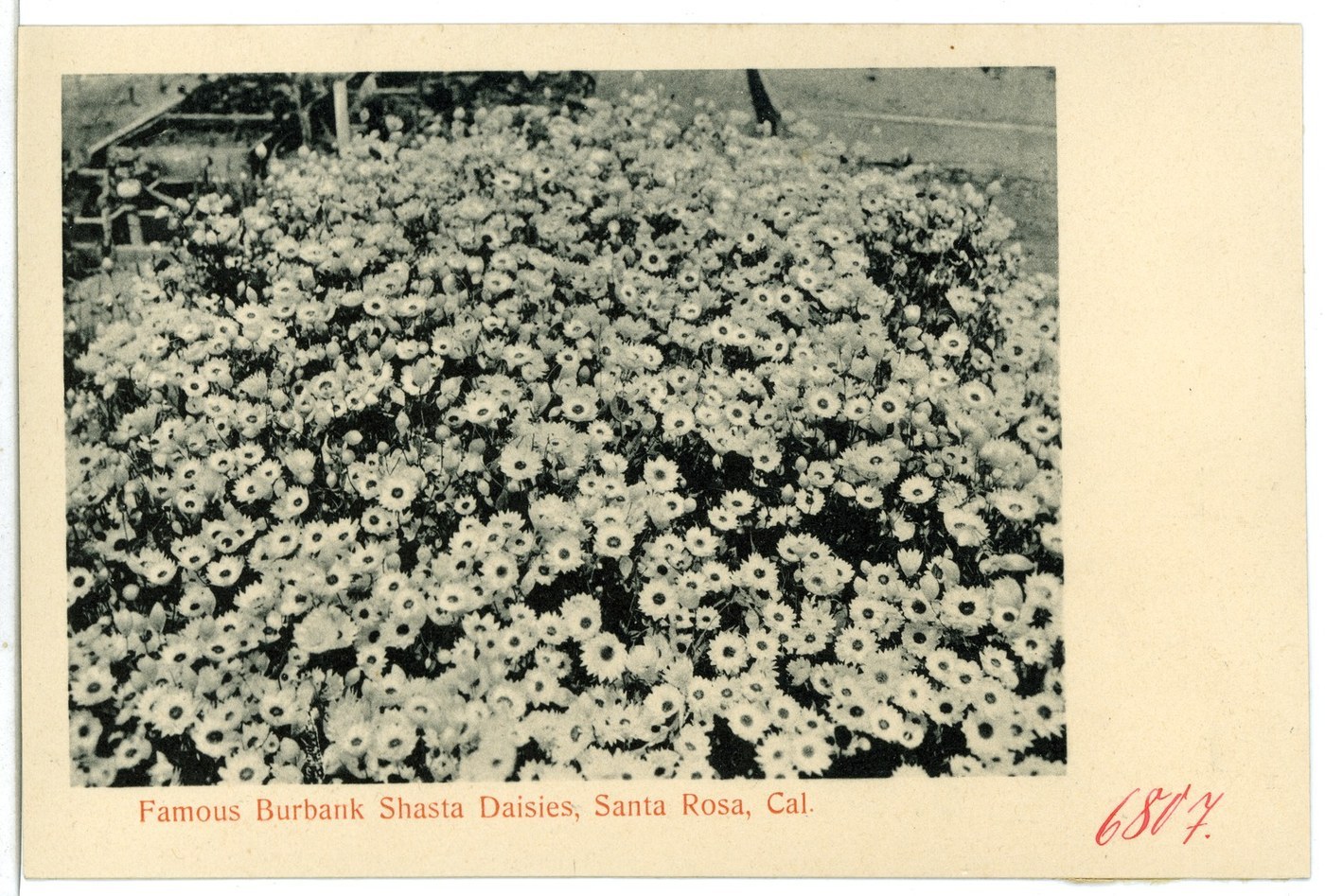
The Shasta daisy is the quintessential daisy of the perennial border, with bright white ray petals encircling a golden-yellow disk on sturdy stems. Bred by horticulturist Luther Burbank in the late 1800s and named for the snowy slopes of Mount Shasta, it is a hybrid of several European daisy species.
It forms tidy clumps of dark green foliage and produces a generous, weeks-long display of flowers in summer, especially when deadheaded.
Dependable, easy, and long blooming, Shasta daisy is a cottage-garden favorite and an excellent long-lasting cut flower.
How to identify it
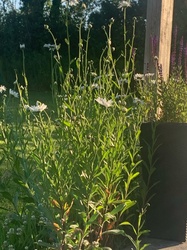
- Flowers: Classic daisy form, 2-4 in. wide, with pure white ray petals around a flat yellow central disk
- Leaves: Dark green, glossy, lance-shaped with toothed margins, mostly near the base
- Habit: Upright clump 1-3 ft tall on stiff stems
- Bloom time: Early to late summer, often with repeat flushes
- Variants: Some cultivars have double, frilled, or shaggy petals
Care & growing
Light: Full sun for best flowering; tolerates light afternoon shade in hot climates.
Water: Moderate, regular water; tolerates short dry spells once established but is not deeply drought-proof.
Soil: Average, well-drained soil; dislikes soggy winter conditions.
Temperature: Hardy in USDA zones 5-9.
Feeding: A light spring feeding supports bloom; avoid over-fertilizing.
Propagation: Divide clumps every 2-3 years in spring to keep them vigorous, since centers can die out. Deadhead regularly to prolong flowering.
Habitat & origin
Shasta daisy is a garden hybrid with no true wild range, derived from European and Asian Leucanthemum species crossed by Luther Burbank in California.
Its parent species grow in meadows and grasslands of Europe. The hybrid is now grown throughout temperate gardens worldwide for its reliable, sunny blooms.
Frequently asked questions
How do I keep Shasta daisies blooming longer?
Deadhead spent flowers regularly to encourage repeat blooms throughout the summer. Removing faded heads redirects energy into new flowers.
Why is the center of my Shasta daisy clump dying out?
Older clumps naturally hollow out in the middle. Divide them every 2-3 years in spring to rejuvenate growth and maintain vigor.
Are Shasta daisies perennial?
Yes, they are short-lived perennials hardy in zones 5-9. Regular division keeps them returning year after year.
Do Shasta daisies spread aggressively?
They form expanding clumps and may self-seed modestly, but they are not invasive like the related oxeye daisy.
Shasta Daisy guides
In-depth guides for identifying, growing, and caring for Shasta Daisy.
How to Care for Shasta Daisy
Grow Shasta Daisy for classic white blooms with golden centers all summer; give it full sun, moderate water, and deadheading.
Shasta Daisy Identification Guide
Recognize the Shasta daisy by its large, classic white-petaled, yellow-centered flowers above glossy, toothed dark green leaves.
Shasta Daisy identified by the community
Real specimens identified with Plant Identifier.