
How to Care for Shore Pine
Grow a Shore Pine (Pinus contorta): a tough, adaptable coastal evergreen that tolerates wind, salt, and both wet and dry soils with ease.
Read the full Shore Pine encyclopedia entry →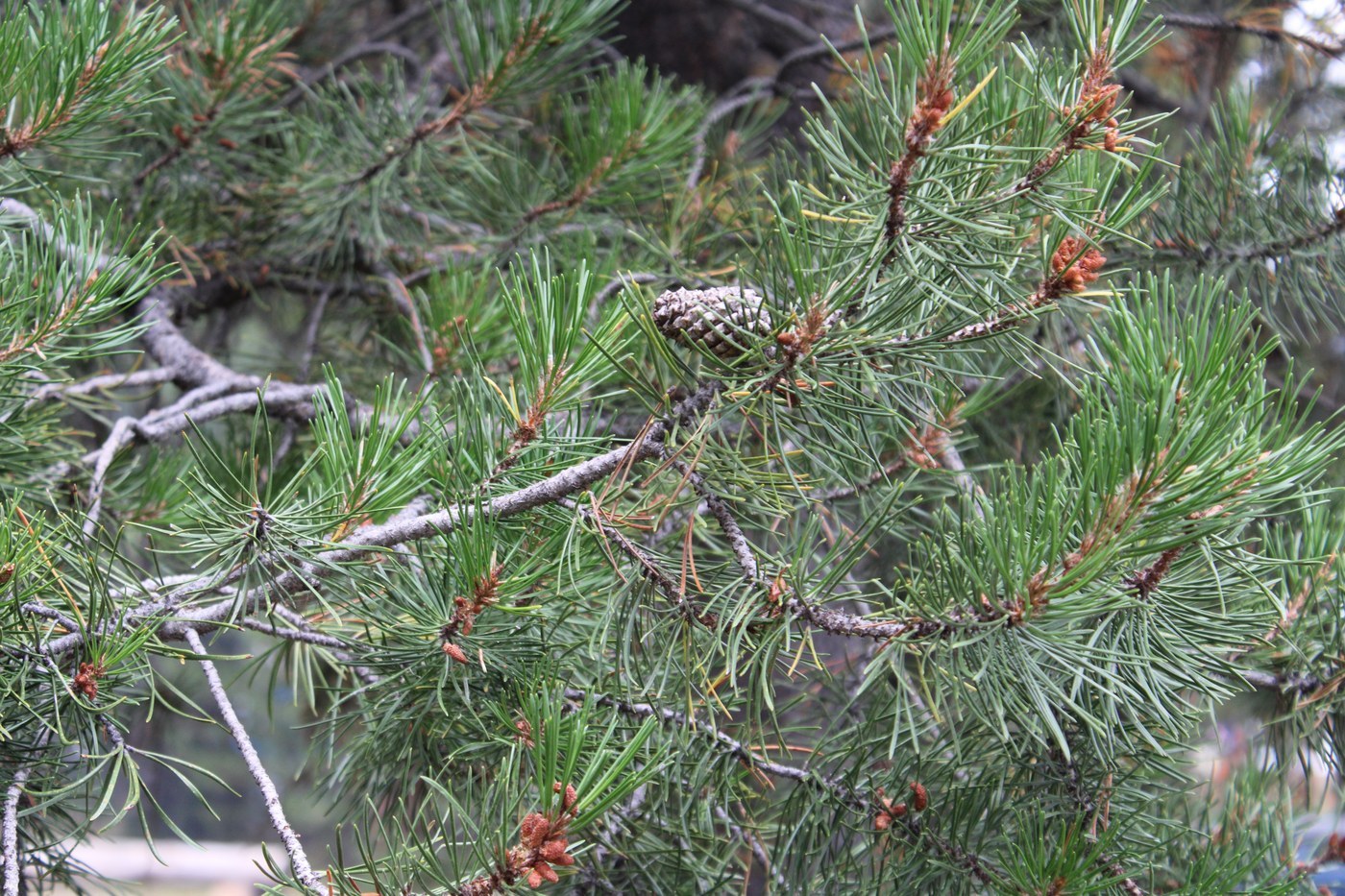
The Shore Pine (Pinus contorta) is a rugged, adaptable evergreen conifer—the coastal form of the widespread lodgepole pine. Known for its irregular, picturesque, often wind-sculpted form, it is an easy, resilient tree valued for coastal plantings, screens, and bonsai-like character in the landscape.
Light
Shore Pine needs full sun for dense, healthy growth. As a pioneer species it is intolerant of shade, becoming sparse and weak in low light. Give it an open site with all-day sun, where it develops its characteristic bushy, twisted, weather-shaped silhouette.
Water
True to its "adaptable, tolerates wet and dry" rating, Shore Pine is remarkably flexible about moisture. In the wild it grows on everything from soggy bogs and dune hollows to dry, rocky headlands. Water young trees regularly to establish them, then let mature trees rely largely on rainfall; they endure both boggy ground and drought better than most pines.
Soil & Potting
This pine tolerates a wider range of soils than most conifers, including poor, sandy, acidic, and even periodically waterlogged ground. It is a classic choice for difficult coastal and boggy sites. Sharp drainage is not required, though it also grows well in ordinary, well-drained garden soil. Avoid rich, heavily fertilized beds, which produce soft, floppy growth.
Humidity & Temperature
Cold-hardy across roughly USDA zones 4 through 8 (with the coastal form favoring milder maritime climates), Shore Pine is exceptionally tough. Its greatest strength is tolerance of salt spray and relentless coastal wind, which sculpt its irregular form. It needs no special humidity and thrives in exposed, breezy sites where other trees struggle.
Feeding
Shore Pine is adapted to lean soils and needs little to no feeding. Excess fertilizer encourages weak, overly lush growth and spoils the compact, characterful form. If growth is unusually poor, a light application of balanced conifer fertilizer in early spring is sufficient; otherwise skip feeding entirely.
Propagation
Propagation is by seed. Collect mature cones, extract and dry the seeds, and cold-stratify them moist for a few weeks before sowing in spring in a gritty, free-draining mix. Germination is generally reliable. Pines are difficult to root from cuttings, so seed is the standard method for raising new trees.
Repotting / Pruning
Shore Pine tolerates pruning well and is popular for bonsai and topiary because it back-buds readily. To control size or shape, "candle-prune" in late spring by pinching or cutting the soft new growth candles before needles harden. Remove dead or crossing branches as needed. For container or bonsai specimens, repot in early spring into a gritty, free-draining conifer mix.
Common Problems & Pests
Generally a healthy, resilient tree, Shore Pine can be affected by pine needle cast, western gall rust, and other pine rusts, as well as bark beetles, pine sawflies, aphids, and scale. Good sun, air circulation, and avoiding overfeeding keep it robust. Remove and dispose of gall-rust cankers and heavily infested wood to limit spread.
Seasonal Care Tips
Plant in spring or early fall. Water new trees through their first summers, then let established trees fend for themselves. Candle-prune in late spring to shape and densify. There is no fall cleanup beyond clearing shed needles if desired—Shore Pine holds its evergreen color through winter and needs minimal seasonal attention once established.
Frequently asked questions
What is the difference between Shore Pine and Lodgepole Pine?
They are two forms of the same species, Pinus contorta. The coastal 'shore pine' form is bushy, irregular, and often wind-shaped, while the inland lodgepole form grows tall, slim, and straight.
Can Shore Pine handle wet, boggy soil?
Yes. It is one of the most moisture-tolerant pines, naturally growing in bogs and dune hollows as well as dry headlands, which is why it rates as adaptable to both wet and dry conditions.
Is Shore Pine good for coastal gardens?
Excellent. It withstands salt spray and strong coastal wind that damage most trees, making it a top choice for seaside screens, windbreaks, and exposed maritime landscapes.
How do I keep a Shore Pine compact?
Candle-prune in late spring by pinching back the soft new growth before the needles harden. This densifies the canopy and controls size, and is why the species is popular for bonsai.