Shore Pine
Pinus contorta
Shore Pine is the coastal form of the lodgepole pine, a tough, twisted two-needle pine of the Pacific coast. Its irregular, picturesque shape makes it popular for seaside gardens and bonsai.
- Light
- Full sun
- Water
- Adaptable; tolerates wet and dry
- Difficulty
- Easy
Got a plant like this?
Identify any plant from a photo, free.
Overview
Shore Pine (Pinus contorta subsp. contorta) is the coastal subspecies of the wide-ranging lodgepole pine. Where the inland lodgepole grows tall and straight, the shore form is shorter, denser, and often dramatically twisted by coastal wind, a trait reflected in the species name contorta.
It is a hardy, adaptable pioneer tree of the Pacific Northwest coast and is widely planted for its rugged, sculptural form and tolerance of poor, exposed, and wet sites.
How to identify it
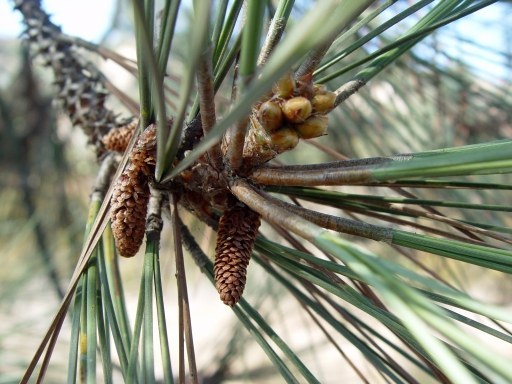
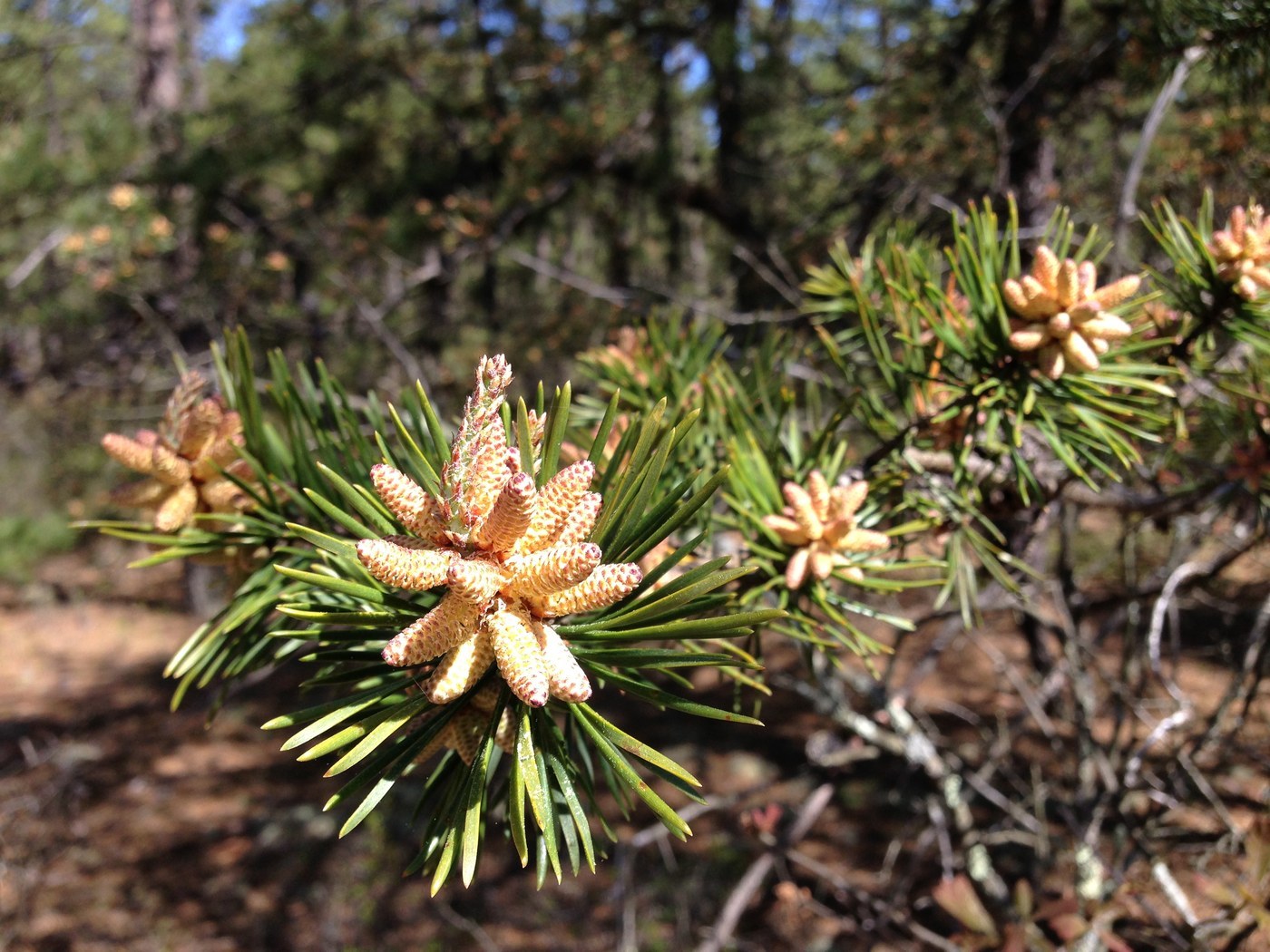
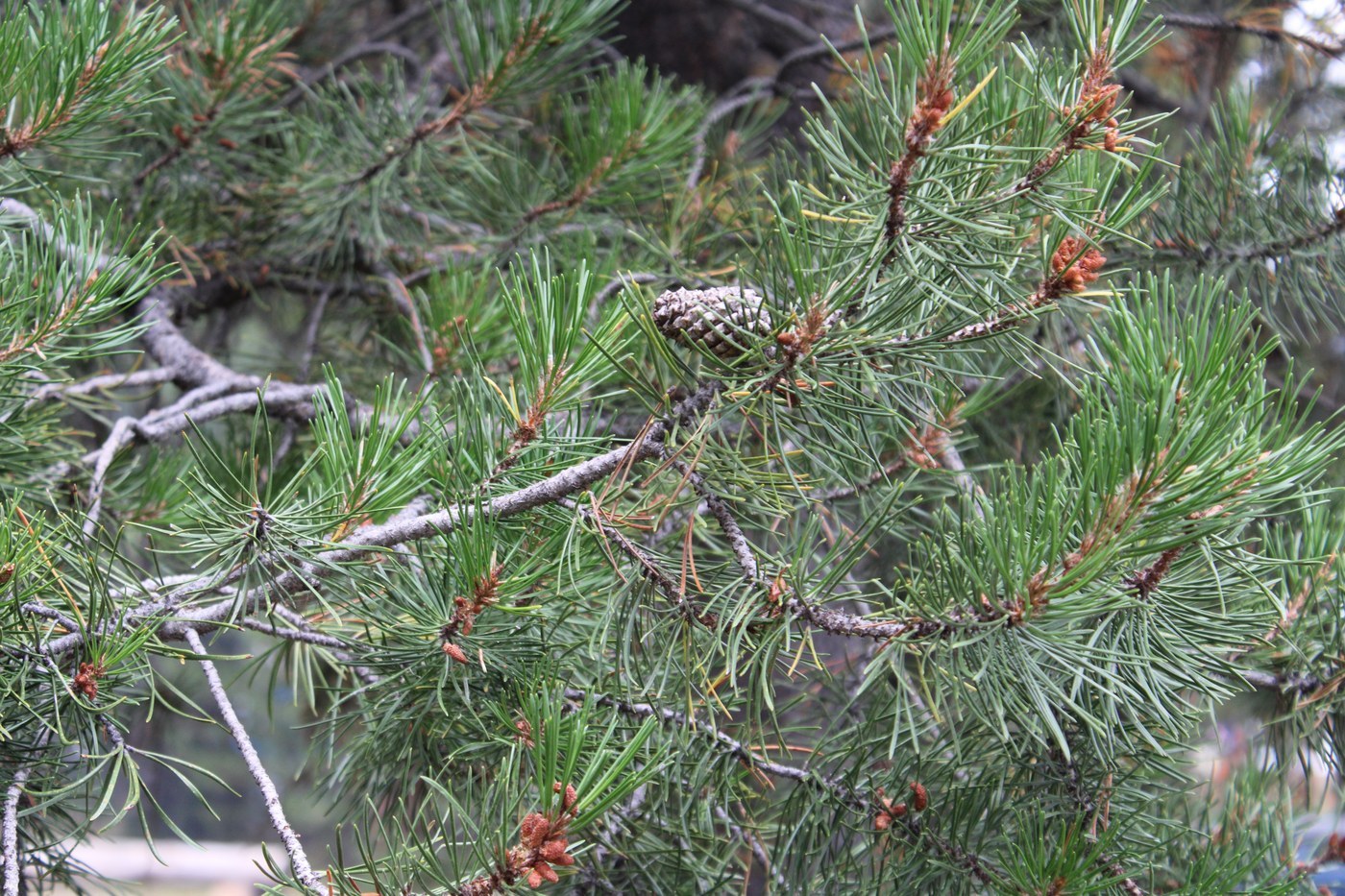
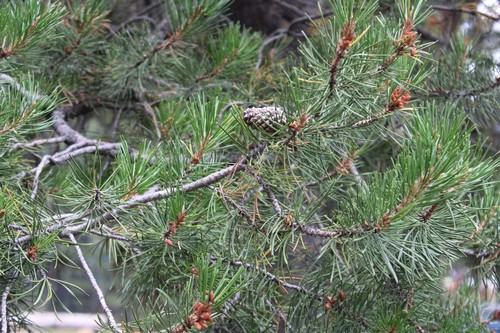
- Needles: Short, 4-7 cm, in bundles of two, often twisted, dark green to yellow-green, densely set
- Cones: Small egg-shaped cones 3-6 cm, often asymmetrical and prickly; some open at maturity (less serotinous than inland form)
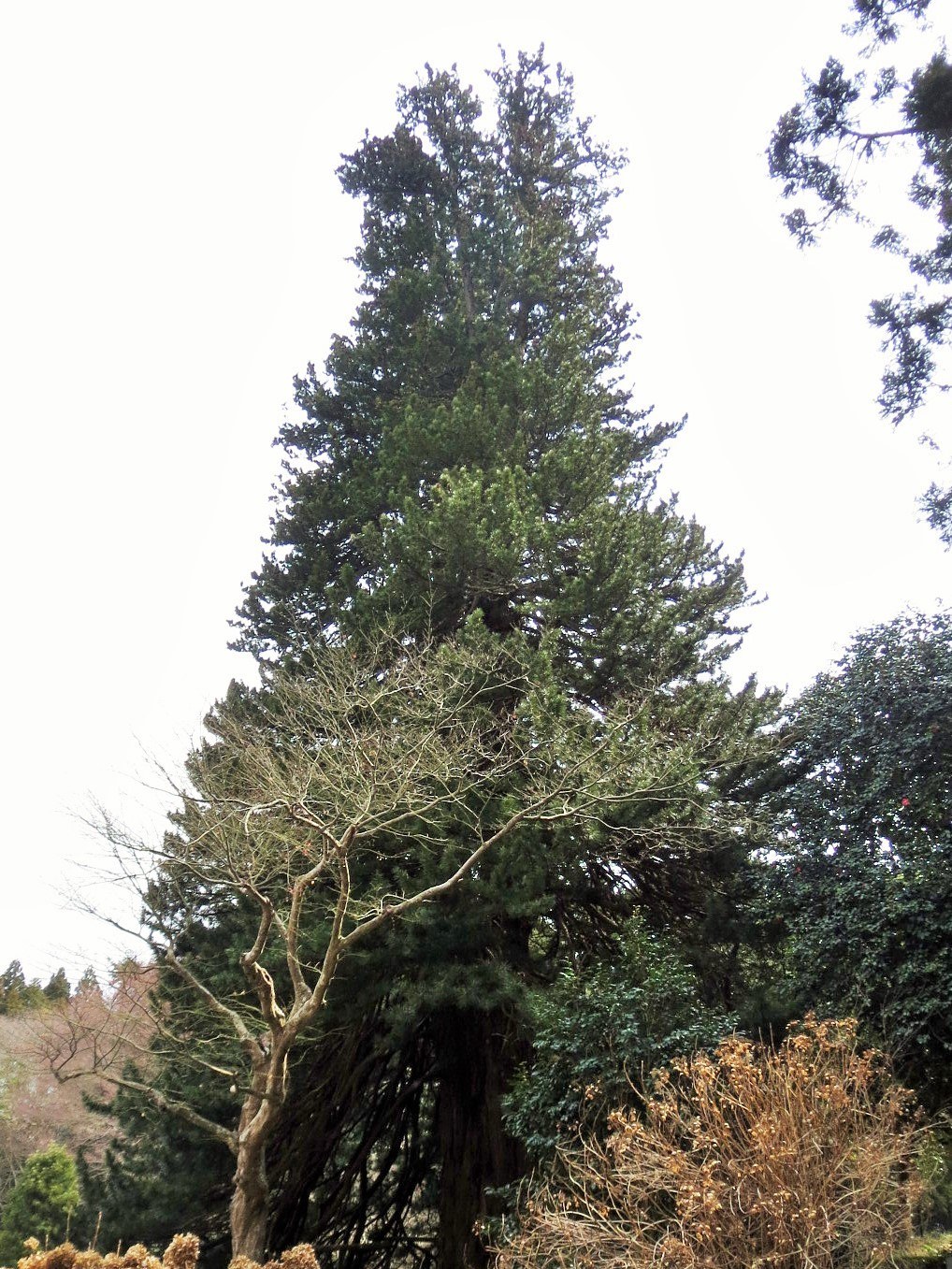
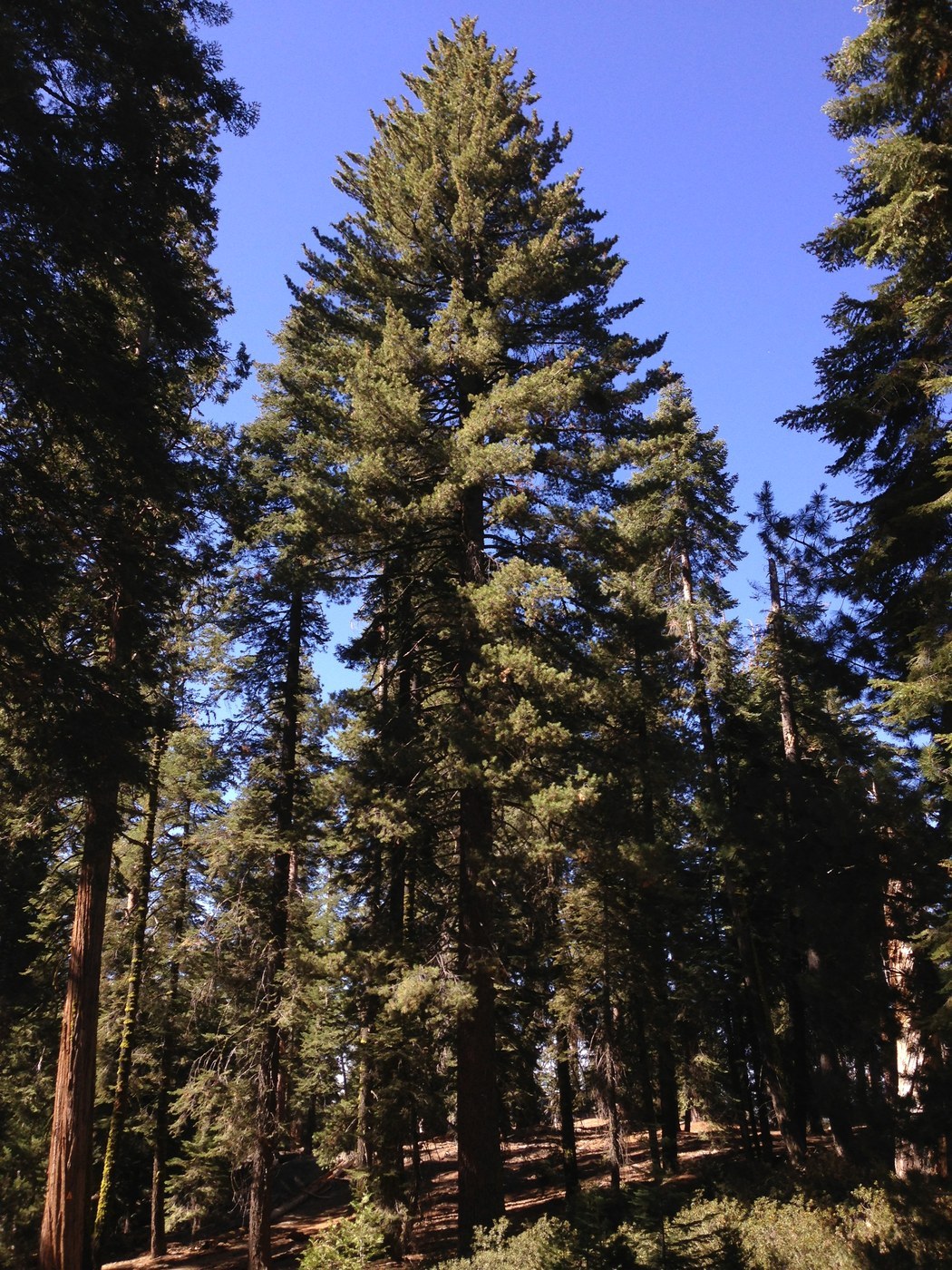
- Habit: Bushy, irregular, often gnarled and contorted tree 5-15 m on the coast
- Bark: Dark, scaly, and furrowed (thicker and darker than inland lodgepole)
- Twisted two-needle bundles and a dense, contorted habit on the coast distinguish it
Care & growing
Light: Full sun.
Water: Very adaptable, tolerating both boggy coastal soils and dry, sandy sites; needs little care once established.
Soil: Grows in poor, sandy, acidic, or peaty soils; tolerates salt and wind.
Temperature: Hardy to USDA zone 4-5; thrives in cool maritime climates.
Feeding: Not required.
Propagation: From seed; popular and forgiving as a bonsai subject.
Habitat & origin
Native to the Pacific coast of North America from southern Alaska through British Columbia, Washington, Oregon, and into northern California, growing on coastal dunes, headlands, bogs, and exposed bluffs.
It is a pioneer of difficult sites and tolerates salt spray, wind, and waterlogging. It is widely planted in coastal and exposed gardens and used as a windbreak and ornamental beyond its native range.
Frequently asked questions
Is shore pine the same as lodgepole pine?
Yes, it is the coastal subspecies of lodgepole pine (Pinus contorta subsp. contorta); the inland subspecies grows tall and straight while the shore form is shorter and twisted.
Why is it twisted?
Coastal wind and exposure, combined with the species' naturally contorted growth, give it its gnarled, sculptural shape.
Can it grow in wet soil?
Yes. It is unusually adaptable, tolerating coastal bogs and wet ground as well as dry, sandy sites.
Is it good for bonsai?
Yes. Its short needles, hardiness, and naturally rugged form make it a popular and forgiving bonsai pine.
Shore Pine guides
In-depth guides for identifying, growing, and caring for Shore Pine.
How to Care for Shore Pine
Grow a Shore Pine (Pinus contorta): a tough, adaptable coastal evergreen that tolerates wind, salt, and both wet and dry soils with ease.
Shore Pine Identification Guide
How to identify shore pine (Pinus contorta var. contorta) by its short twisted paired needles, small often-persistent cones, and contorted coastal habit. Covers needles, cones, bark, and look-alikes.