
How to Care for Silk Oak
Grow Grevillea robusta, the silk oak, a fast evergreen tree with ferny foliage and golden flowers, easy in warm climates.
Read the full Silk Oak encyclopedia entry →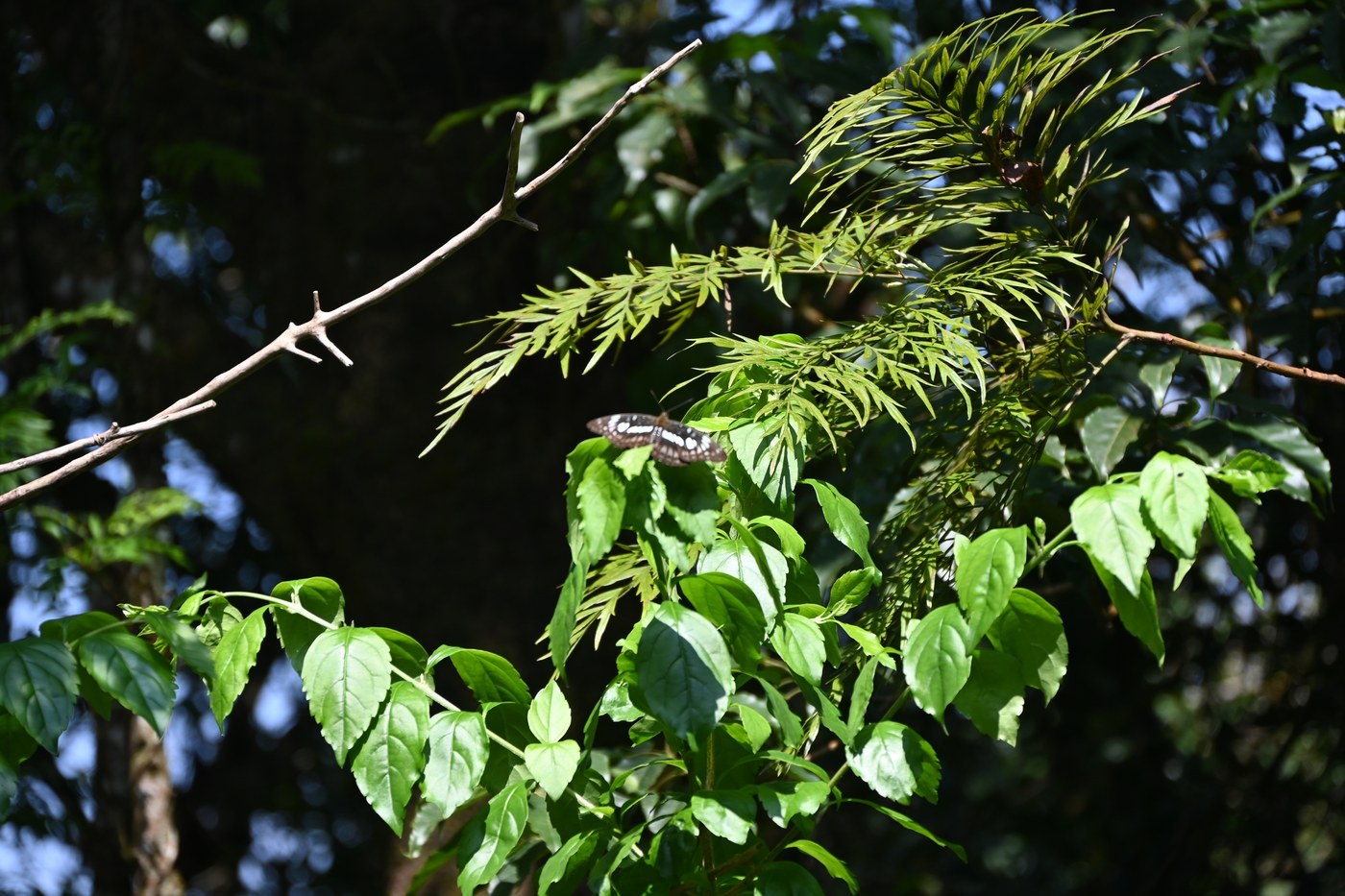
Silk oak (Grevillea robusta) is a fast-growing evergreen tree with elegant, fern-like divided foliage and, on mature specimens, showy golden-orange flower clusters. Vigorous and adaptable, it is easy to grow in warm climates as a landscape tree and can be raised as a foliage houseplant while young.
Light
Silk oak wants full sun for strong, upright growth and the best flowering. As a young indoor or container plant it appreciates the brightest position available, right beside a sunny window. Grown in too little light, the ferny foliage becomes sparse and the growth leggy. Outdoors, plant it in an open, sunny site.
Water
Water moderately, keeping the soil evenly moist while the tree is young and establishing. Once established in the ground it is notably drought-tolerant and needs little supplemental water in most seasons. Allow the surface to dry between waterings for container plants, and avoid waterlogged soil, which the roots dislike.
Soil & Potting
Grevillea grows best in free-draining, slightly acidic soil and resents heavy, wet clay. Sandy or loamy soils suit it well. It is adapted to low-phosphorus soils, so use lean conditions rather than heavily enriched ground. In containers, use a free-draining, low-phosphorus mix and ensure the pot drains freely.
Humidity & Temperature
Silk oak enjoys warm, frost-free conditions and grows quickly in mild climates. Young plants are frost-sensitive and should be protected or kept indoors where winters are cold, while established trees tolerate light frost. Indoors it accepts average room humidity without special measures.
Feeding
Feed only lightly, and importantly, use a low-phosphorus fertilizer, as Grevillea is highly sensitive to excess phosphorus, which can damage the roots. A light application of a suitable native or low-phosphorus feed in spring is ample. In many soils it needs no feeding at all.
Propagation
Silk oak is most commonly grown from seed, which germinates readily when fresh and sown in a free-draining mix in warmth. Semi-hardwood cuttings can also be rooted, though they are slower and less reliable than seed. Sow or take cuttings in the warmer months for the best success.
Repotting / Pruning
Repot young container plants each year or two in spring as they grow, as they develop quickly. Because it is fast and can become large, prune to shape and control size while young; it tolerates cutting back and can be kept smaller in a pot. Remove any weak or crossing stems to build a good framework.
Common Problems & Pests
Silk oak is generally robust and pest-resistant. The main pitfalls are phosphorus toxicity from standard fertilizers, and root problems from heavy, waterlogged soil, both avoidable with lean, free-draining conditions. Indoors, watch for scale and mealybugs on stressed plants. Leaf yellowing often signals overwatering or nutrient imbalance rather than pests.
Seasonal Care Tips
In spring, repot or plant out, apply any light low-phosphorus feed, and sow seed. Through summer, water young plants regularly while established trees largely fend for themselves; enjoy the flowering on mature specimens. In autumn, reduce watering as growth slows. In winter, protect young and container plants from frost and keep them bright and on the drier side.
Frequently asked questions
Why should I avoid regular fertilizer on silk oak?
Grevillea robusta is very sensitive to phosphorus, and standard fertilizers can damage its roots. Use a low-phosphorus or native-plant feed sparingly, or none at all.
Can silk oak be grown as a houseplant?
Yes, while young it makes an attractive foliage plant for a very bright spot. It grows fast, though, and eventually becomes a large tree better suited outdoors.
How much water does it need?
Keep young plants evenly moist while establishing. Once established in the ground it is quite drought-tolerant and needs little extra water.
How fast does silk oak grow?
Very fast. It quickly forms a tall tree, so prune while young to shape it and keep container specimens to a manageable size.