Silk Oak
Grevillea robusta
The silk oak is a fast-growing Australian tree with fern-like silvery foliage and showy golden-orange, comb-shaped flowers in spring. It is widely grown for shade, timber and ornament, but can be weedy outside its range.
- Light
- Full sun
- Water
- Moderate; drought-tolerant once established
- Difficulty
- Easy
Got a plant like this?
Identify any plant from a photo, free.
Overview
Silk oak, Grevillea robusta, is the largest species in the genus Grevillea and, despite its name, is not an oak at all but a member of the protea family. It is a tall, fast-growing evergreen to semi-deciduous tree.
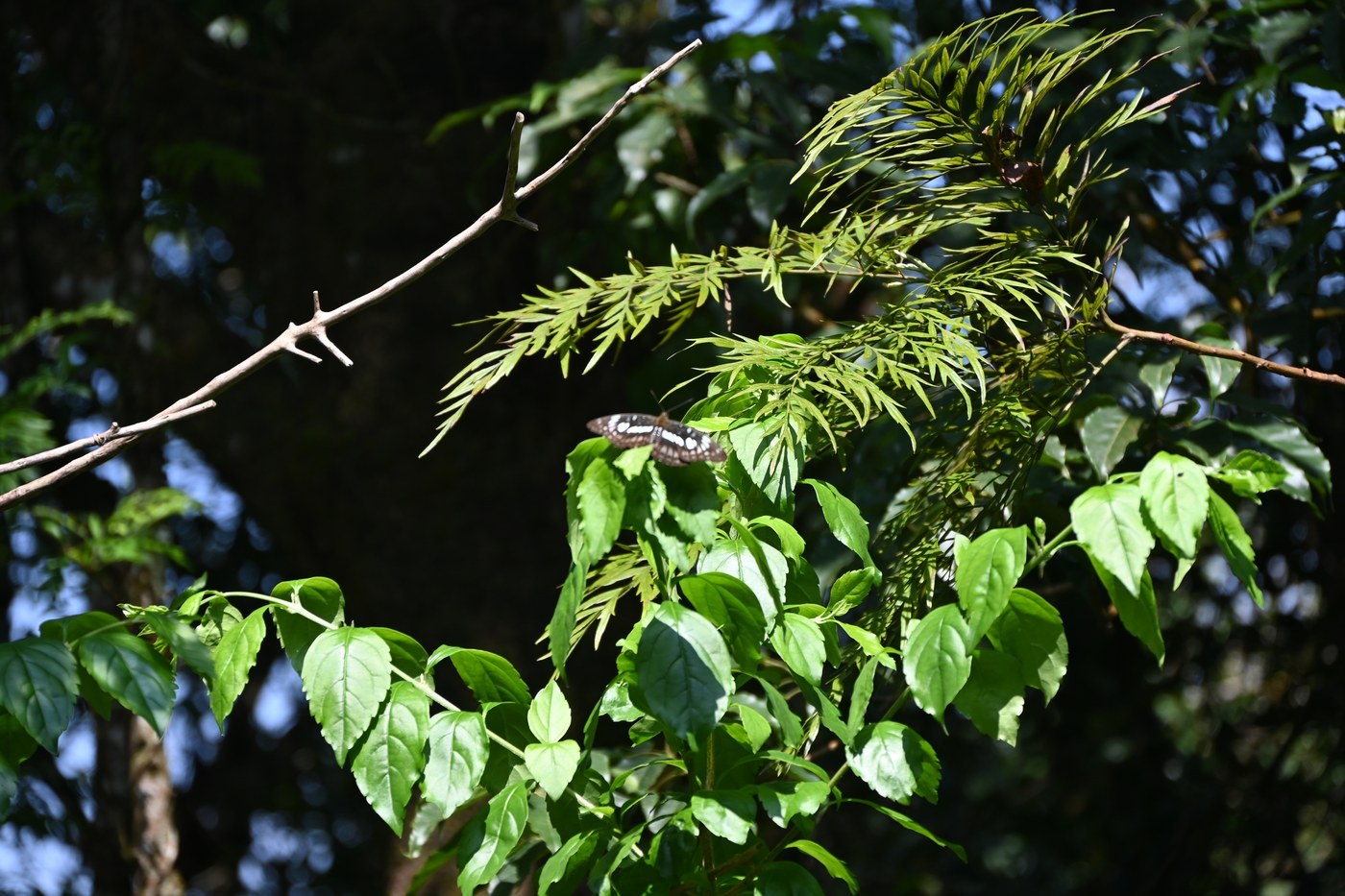
It has delicate, fern-like, deeply divided leaves that are silvery beneath, and in spring it produces showy one-sided clusters of golden-orange, comb- or toothbrush-shaped flowers rich in nectar.
Widely planted for timber, shade and ornament across warm regions, it has naturalized and become weedy or invasive in some areas such as Hawaii and parts of Africa.
How to identify it
- Leaves: fern-like, deeply divided (bipinnate), dark green above and silvery-grey beneath, fine and feathery
- Flowers: showy, one-sided clusters of golden-orange, comb- or toothbrush-shaped blooms in spring, full of nectar
- Fruit: small dark boat-shaped follicles holding winged seeds
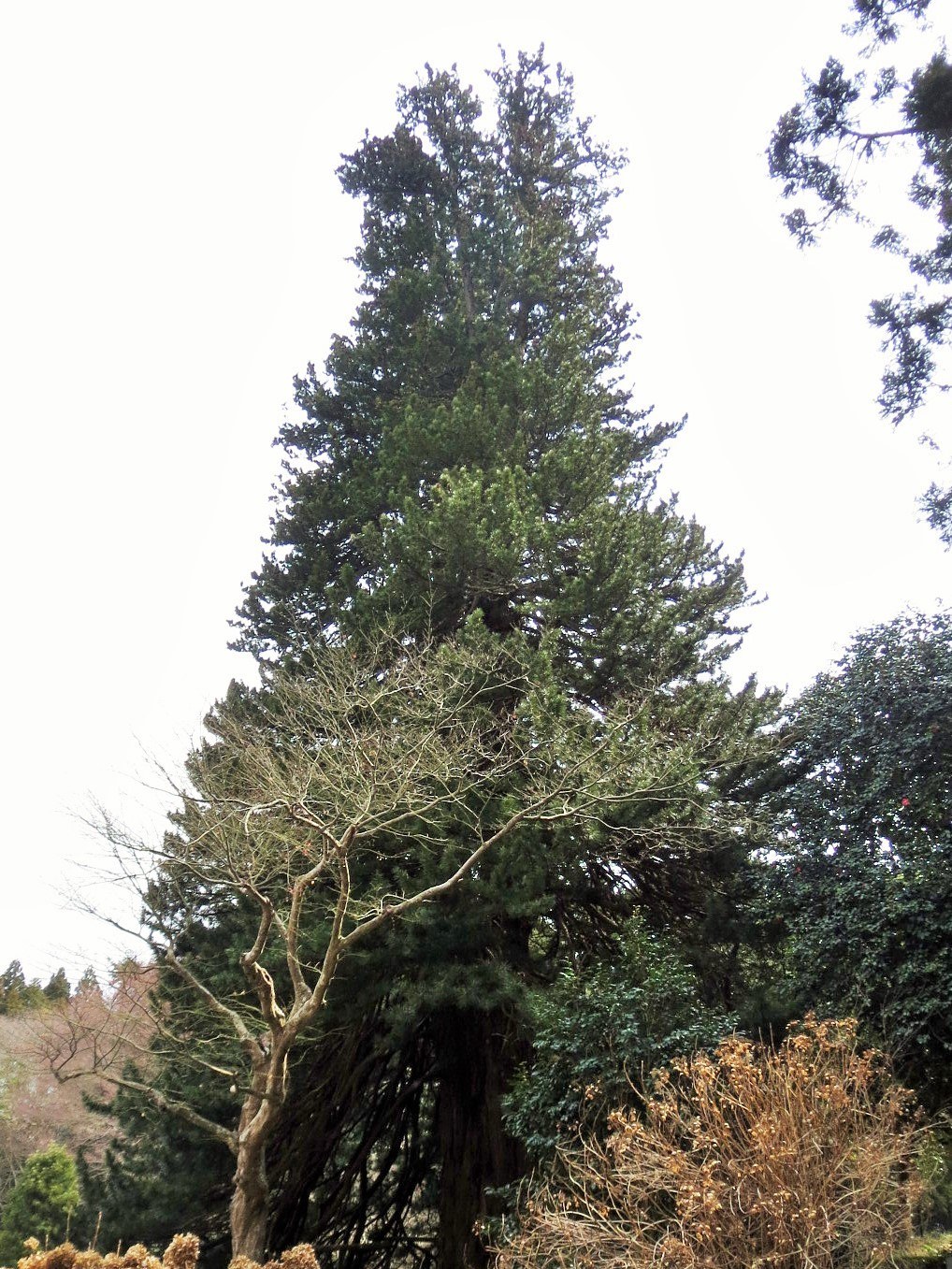
- Size: large tree, fast-growing to 60-100 ft in good conditions
- Bark: dark grey-brown and furrowed; the timber shows attractive ray figuring ("lacewood")
Care & growing
Light: full sun.
Water: water young trees during establishment; mature trees are markedly drought-tolerant.
Soil: well-drained soil; like other proteas it is sensitive to high phosphorus, so avoid phosphate-rich fertilizers.
Temperature: subtropical to warm temperate (USDA zones 9-11); tolerates light frost when established.
Feeding: use low-phosphorus or native-plant fertilizer sparingly.
Propagation: easily grown from seed; fast-growing.
Caution: can self-seed and become weedy.
Habitat & origin
Grevillea robusta is native to the subtropical rainforests and riverine areas of eastern Australia, in New South Wales and Queensland, where it is now uncommon in the wild.
It has been planted worldwide in subtropical and warm-temperate regions for timber, shade and as a nurse tree in tea and coffee plantations, and has naturalized and become invasive in places such as Hawaii, South Africa and parts of South America.
Frequently asked questions
Is the silk oak a true oak?
No. Despite the name, it is Grevillea robusta, a member of the protea family. The name refers to its oak-like timber grain, not a relationship to oaks.
Can silk oak become invasive?
Yes. It self-seeds freely and has become weedy or invasive in places like Hawaii and parts of Africa, so check local guidance before planting.
Why shouldn't I use regular fertilizer on it?
Like other proteas, silk oak is sensitive to high phosphorus, which can damage or kill it. Use a low-phosphorus or native-plant fertilizer, and only sparingly.
How can I recognize silk oak?
Look for fern-like, deeply divided silvery-backed leaves and showy one-sided clusters of golden-orange, comb-shaped flowers in spring on a tall, fast-growing tree.
Silk Oak guides
In-depth guides for identifying, growing, and caring for Silk Oak.
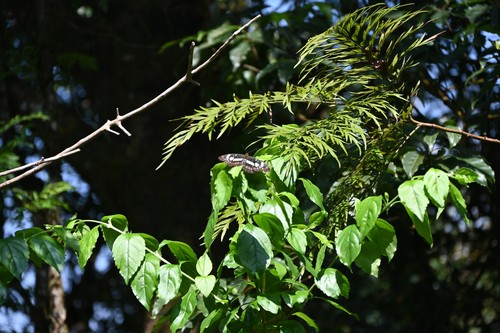
How to Care for Silk Oak
Grow Grevillea robusta, the silk oak, a fast evergreen tree with ferny foliage and golden flowers, easy in warm climates.
Silk Oak Identification Guide
Identify the silk oak (Grevillea robusta) by its fern-like silvery leaves, one-sided golden-orange toothbrush flowers, and boat-shaped seed pods.