
How to Care for Sitka Spruce
Grow Sitka Spruce (Picea sitchensis), a towering moisture-loving conifer, with this full guide to light, water, soil and seasonal care.
Read the full Sitka Spruce encyclopedia entry →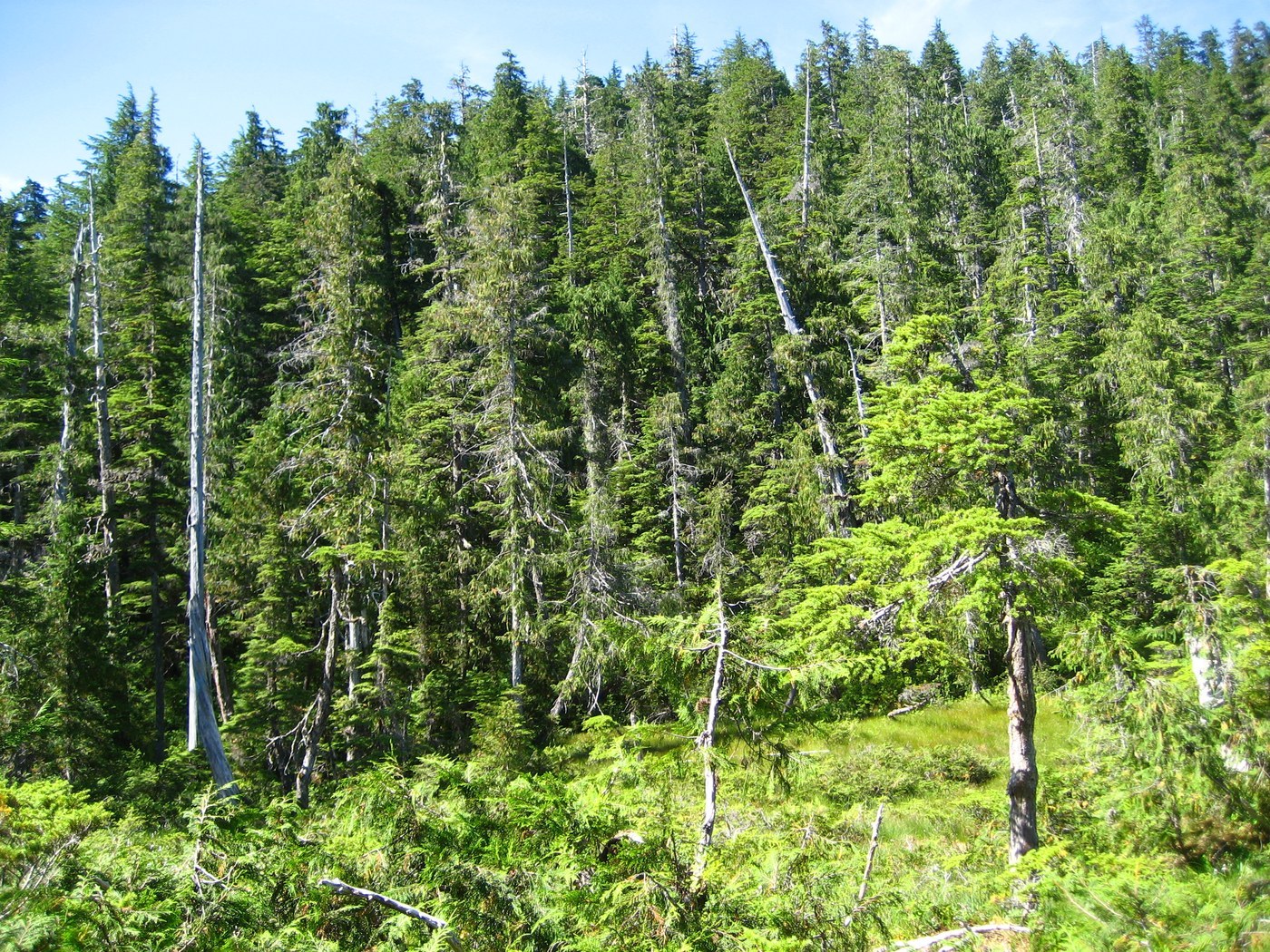
Sitka Spruce (Picea sitchensis) is a majestic evergreen conifer native to the cool, wet coastal regions of the Pacific Northwest, where it grows into one of the tallest spruces in the world. It has stiff, sharp bluish-green needles and a broad conical form, and it thrives where moisture and cool air are plentiful.
Light
Sitka spruce grows best in full sun, which produces the densest, most vigorous growth and strongest form. It tolerates some light shade when young, particularly in exposed coastal settings, but plenty of light is needed for a healthy, well-shaped tree over the long term.
Water
This species demands high, consistent moisture and prefers soil that stays reliably damp. It is native to foggy, rainy coastlines and does not tolerate prolonged drought. Water young trees generously and regularly, and site the tree where the soil naturally holds moisture or where irrigation is easy. Unlike many conifers, it accepts wetter ground and even tolerates occasional flooding.
Soil & Potting
Sitka spruce favors deep, moist, fertile soil with an acidic pH, rich in organic matter. It grows well in the cool, humus-rich soils of its native range and tolerates heavier, wetter ground than most spruces. Improve planting sites with compost and mulch heavily to retain moisture and keep roots cool. Young trees can be started in deep containers before planting out.
Humidity & Temperature
Sitka spruce is adapted to cool, humid, maritime climates and is hardy roughly in USDA zones 6 through 8. It thrives in mild, foggy summers and dislikes hot, dry inland conditions. High atmospheric humidity and cool temperatures suit it best; it struggles where summers are hot and arid.
Feeding
In rich native-type soil, Sitka spruce needs little feeding. If growth is weak or foliage pale, apply a spring application of an acid-forming conifer fertilizer at label rates. Mulching with organic matter provides slow, steady nutrition and helps maintain the cool, moist, acidic conditions it prefers.
Propagation
Sitka spruce is grown primarily from seed, which germinates best after a period of cold, moist stratification. Sow in a well-drained, acidic seed medium and keep consistently moist. Cuttings are difficult to root, so seed is the usual method, and young seedlings should be kept damp and sheltered while establishing.
Repotting / Pruning
Little pruning is required beyond removing dead, damaged, or crossing branches, ideally in late winter while dormant. The tree's naturally handsome conical form needs no shaping. Repot container seedlings into larger, deep pots as roots fill the space, and transplant to a permanent, moisture-rich site while the tree is still young for best establishment.
Common Problems & Pests
Spruce aphids and spider mites can cause needle discoloration and drop, especially on stressed trees, and are managed with appropriate treatments and good vigor. Adelgids may also appear. In hot, dry, or poorly matched sites the tree becomes stressed and more prone to needle browning and dieback, so proper siting is the best prevention. Root problems arise mainly from unusually dry conditions rather than wet ones.
Seasonal Care Tips
In spring, mulch heavily and ensure the soil is moist as growth resumes. Through summer, keep young trees consistently watered, as drought is the main threat to this moisture-loving species. In fall, maintain moisture as the tree hardens off. In winter, the evergreen needles need no special protection within its hardiness range; brush heavy snow off branches to prevent breakage.
Frequently asked questions
How much water does a Sitka spruce need?
A lot. It is native to wet coastal forests and prefers consistently moist soil. Water young trees generously and regularly, and site it where the ground stays damp. Drought is its biggest threat.
Can Sitka spruce grow in hot inland climates?
Generally no. It is adapted to cool, humid, maritime conditions and struggles in hot, dry inland areas. It performs best in mild, foggy summers with high humidity and reliable moisture.
Does Sitka spruce need full sun?
Yes, full sun produces the densest, healthiest growth and best form. It tolerates light shade when young, but long-term it needs plenty of light to thrive.
What soil is best for Sitka spruce?
Deep, moist, fertile, acidic soil rich in organic matter suits it best. It tolerates heavier, wetter ground than most spruces, so mulch heavily and keep the root zone cool and damp.