
How to Care for Skullcap
Grow Skullcap, a moisture-loving perennial with small blue flowers, in sun to part shade with consistently damp soil for a lush pollinator planting.
Read the full Skullcap encyclopedia entry →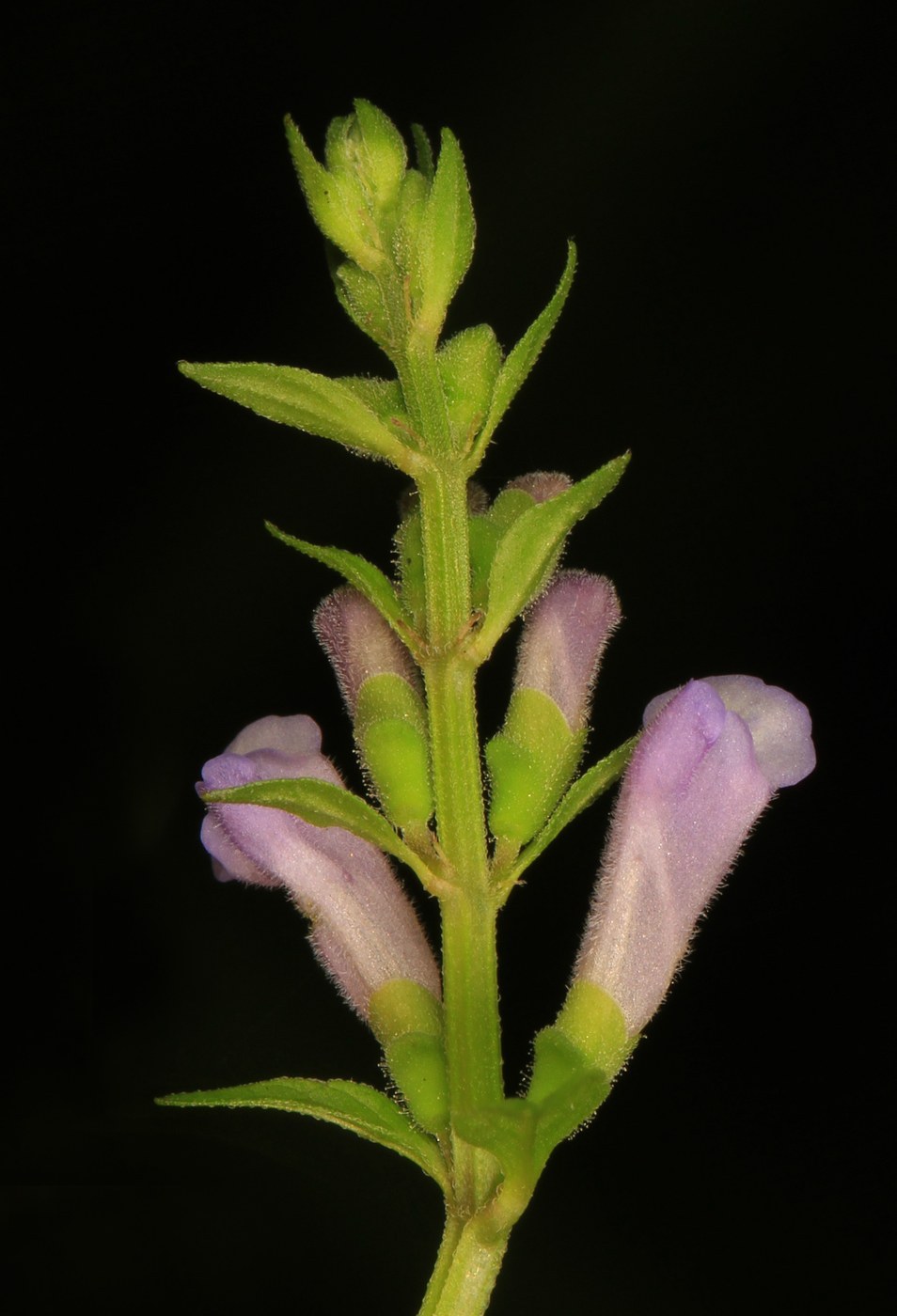
Skullcap (Scutellaria lateriflora) is a graceful, moisture-loving perennial in the mint family, valued in the ornamental garden for its slender stems and delicate spikes of small blue-to-lavender flowers. It suits damp borders, rain gardens, and naturalistic plantings where its love of moist soil can be satisfied.
Light
Skullcap grows well in full sun to part shade. In cooler climates it flowers most freely with plenty of sun, while in hotter regions a little afternoon shade helps prevent stress and keeps the soil from drying out. A bright spot with steady moisture produces the healthiest, most floriferous plants.
Water
This is a plant that likes damp soil, so aim for consistent moisture throughout the growing season. Skullcap grows naturally in wet meadows and along stream edges, so it tolerates and even prefers soil that stays reliably moist. Water regularly, especially in sun and during dry spells, and never let the root zone dry out completely.
Soil & Potting
Provide rich, moisture-retentive soil with plenty of organic matter. Amending with compost improves both fertility and water-holding capacity, which suits this damp-loving perennial. It adapts to a range of soils as long as they do not dry out; heavy soils that hold moisture are welcome here rather than a problem.
Humidity & Temperature
Skullcap is a hardy temperate perennial that appreciates moderate humidity and cool-to-warm growing conditions. It handles cold winters well and returns from the roots each spring. In dry-air situations, keeping the soil moist compensates for lower humidity and keeps the foliage lush.
Feeding
Feed lightly in spring as growth resumes with a balanced fertilizer or a top-dressing of compost. Skullcap is not a heavy feeder, and rich, organic soil often supplies most of what it needs. Avoid excessive nitrogen, which promotes floppy, leafy growth at the expense of flowers.
Propagation
Skullcap propagates readily by division of established clumps in spring or autumn; simply lift, separate into rooted sections, and replant in moist soil. As a member of the mint family, it can also be grown from softwood cuttings taken in the growing season, and from seed sown in a moist, cool medium.
Repotting / Pruning
Divide clumps every few years to maintain vigor and control spread. Trim back spent flower spikes to keep the plant tidy and encourage a longer display, and cut the whole plant back after flowering to promote fresh growth. Remove dead stems in late autumn or early spring before new shoots emerge.
Common Problems & Pests
Skullcap is generally robust and relatively pest-free. The most likely problem is stress from soil drying out, which causes wilting and browning; maintaining consistent moisture is the fix. In poorly drained, stagnant conditions, watch for root or fungal issues, and provide good airflow to discourage powdery mildew.
Seasonal Care Tips
In spring, feed lightly and ensure the soil stays moist as growth accelerates. Through summer, prioritize consistent watering, particularly for plants in full sun, and deadhead to prolong bloom. In autumn, divide crowded clumps and cut back spent stems. In winter, the plant dies back and rests, returning from the roots when warmth returns.
Frequently asked questions
What growing conditions does Skullcap prefer?
It likes full sun to part shade and, above all, consistently moist soil. Skullcap naturally grows in wet meadows and along stream edges, so rich, damp, organic soil in a bright spot gives the best results.
Why is my Skullcap wilting?
Wilting and browning usually mean the soil has dried out. This is a moisture-loving perennial that dislikes dry conditions; water more regularly, especially in sun and during hot weather, and mulch to retain moisture.
How do I propagate Skullcap?
The easiest way is by dividing established clumps in spring or autumn: lift, separate into rooted sections, and replant in moist soil. As a mint-family plant, it also grows from softwood cuttings and from seed.
Should I cut back Skullcap after it flowers?
Yes, trimming spent flower spikes keeps the plant tidy and can encourage a longer display, and cutting the whole plant back after flowering promotes fresh, bushy growth. Remove dead stems before new spring shoots appear.