Skullcap
Scutellaria lateriflora
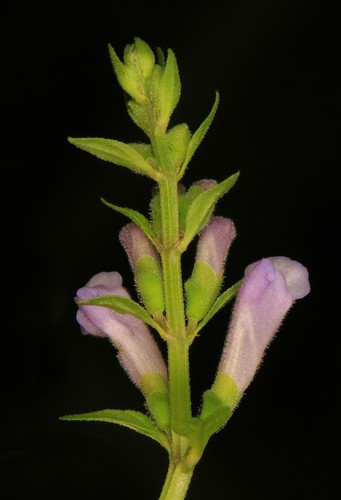
Skullcap is a slender North American mint-family herb with tiny blue, two-lipped flowers. It takes its name from the small helmet- or skull-cap-shaped appendage on the calyx of each bloom.
- Light
- Full sun to part shade
- Water
- Consistent moisture; likes damp soil
- Difficulty
- Moderate
Got a plant like this?
Identify any plant from a photo, free.
Overview
Skullcap (Scutellaria lateriflora) is a perennial herb in the mint family (Lamiaceae) native to North America. The common name refers to the distinctive cap-like protrusion on the calyx of each small flower, which resembles a medieval helmet.
It forms slender, square-stemmed clumps that spread by short rhizomes and bear one-sided racemes of small blue to lavender flowers in summer.
The genus Scutellaria is large and includes the Chinese skullcap (Scutellaria baicalensis), a different species native to East Asia.
How to identify it
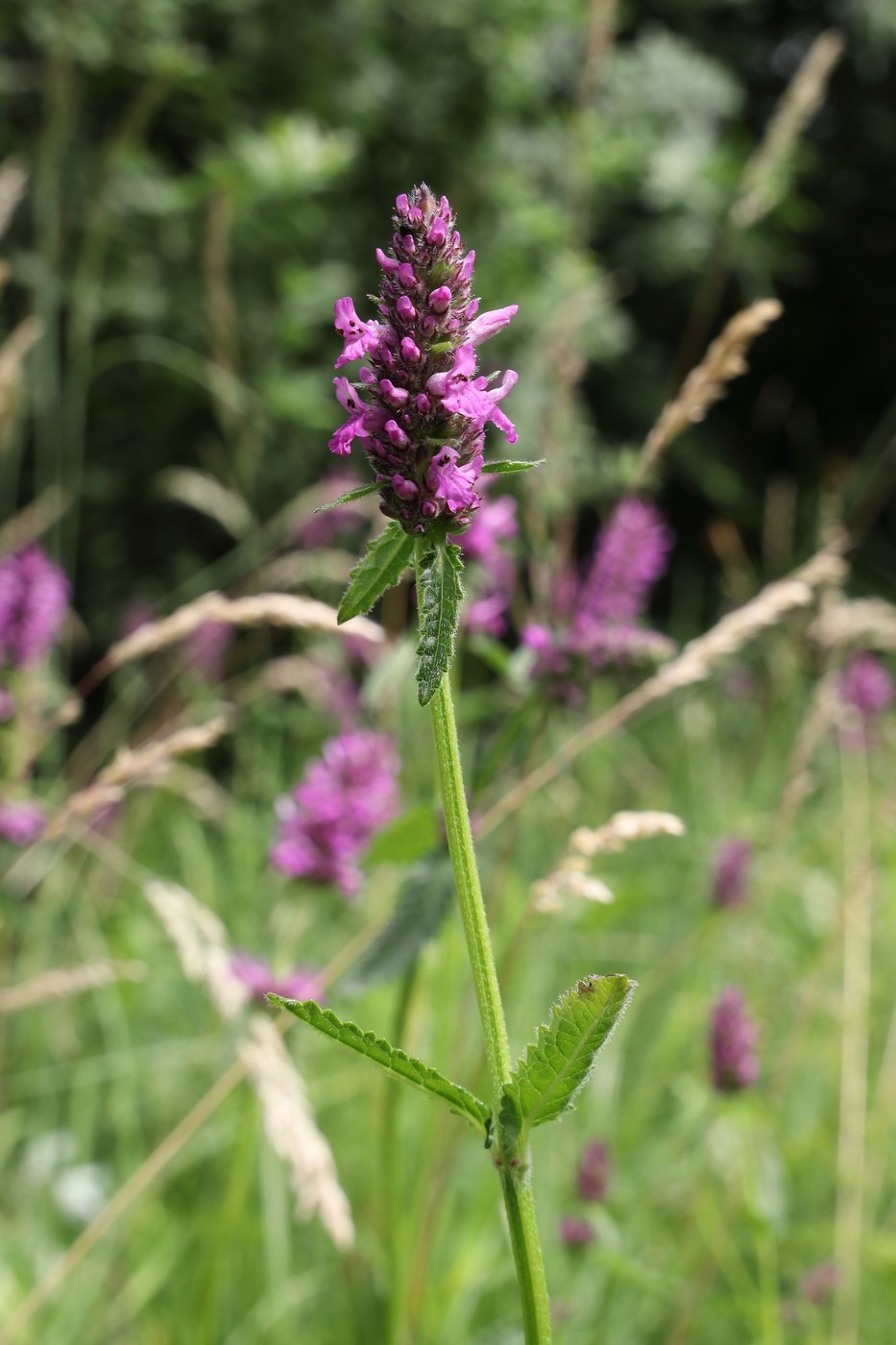
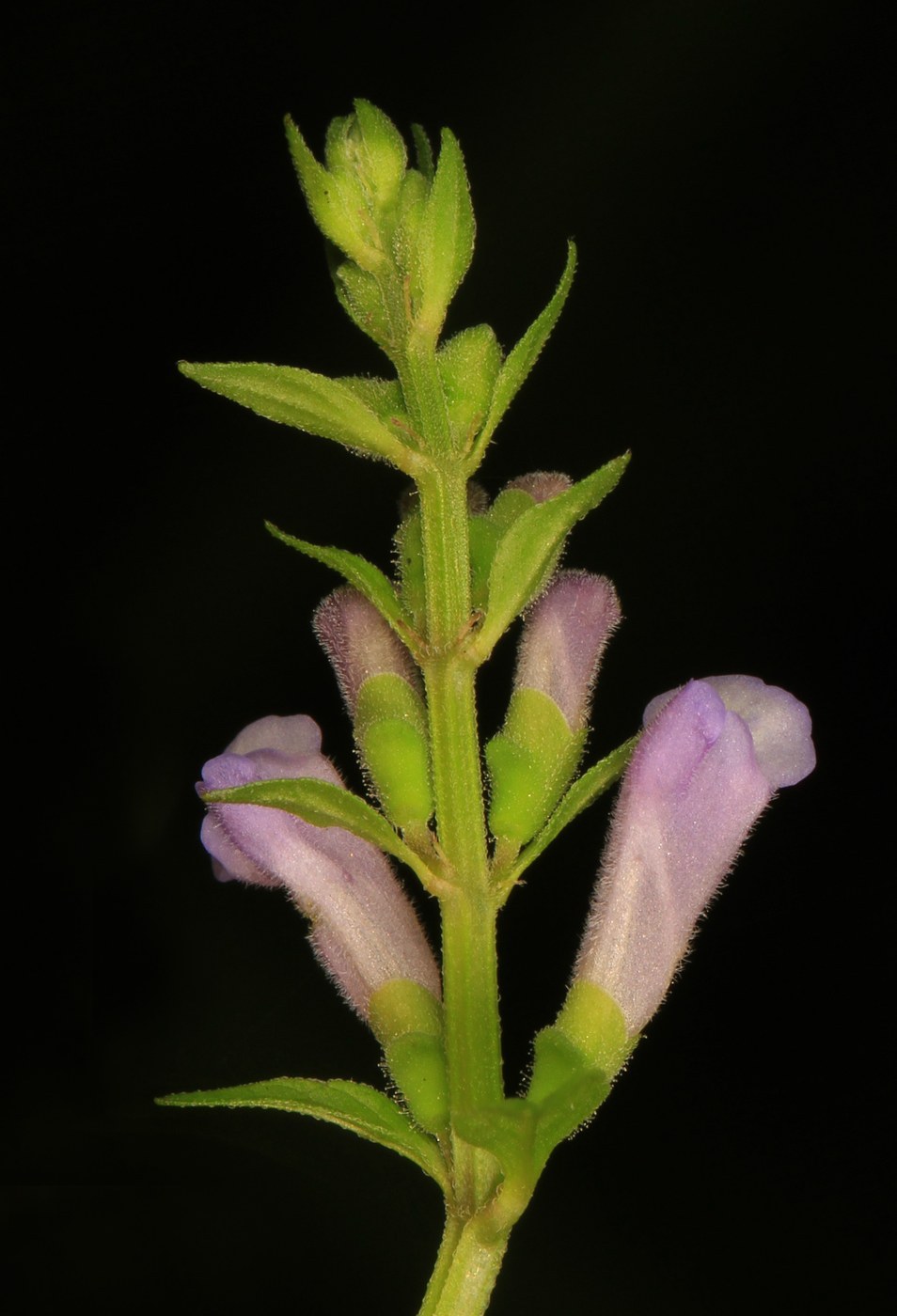
- Flowers: very small (about 6-8 mm), blue to lavender, two-lipped, borne in one-sided racemes from leaf axils; calyx bears the namesake helmet-shaped crest
- Leaves: opposite, lance-shaped to oval, toothed margins, on slender petioles
- Stems: square in cross-section (typical of mints), branching, 30-80 cm tall
- Habit: clumping herbaceous perennial spreading by short rhizomes
- Scent: lacks the strong aroma of many mints
Care & growing
Light: Full sun to partial shade; appreciates afternoon shade in hot climates.
Water: Prefers consistently moist soil and tolerates damp ground; do not let it dry out.
Soil: Rich, humusy, moisture-retentive soil with good organic content.
Temperature: Cold-hardy through roughly USDA zones 4-8.
Feeding: Light feeding with compost or a balanced fertilizer in spring is sufficient.
Propagation: Grow from seed (benefits from cold stratification), division of rhizomes, or stem cuttings.
Habitat & origin
Scutellaria lateriflora is native to wet habitats across much of North America, including marshes, wet meadows, streambanks and damp thickets from Canada south through the United States.
It is grown by herb gardeners in moist, partly shaded beds that mimic its natural wetland edges.
Frequently asked questions
Is American skullcap the same as Chinese skullcap?
No. American skullcap is Scutellaria lateriflora, a North American wetland species, while Chinese skullcap is Scutellaria baicalensis (huang qin), a different species native to East Asia.
Why is it called skullcap?
The name comes from the small helmet- or cap-shaped appendage on the calyx of each tiny flower, which reminded early botanists of a skullcap helmet.
Does skullcap need a lot of water?
Yes. It is a wetland plant that prefers consistently moist, rich soil and does not tolerate prolonged drought.
Skullcap guides
In-depth guides for identifying, growing, and caring for Skullcap.
How to Care for Skullcap
Grow Skullcap, a moisture-loving perennial with small blue flowers, in sun to part shade with consistently damp soil for a lush pollinator planting.
Skullcap Identification Guide
Field guide to identifying skullcap (Scutellaria) by its square stems, paired flowers, and the helmet-shaped ridge on the calyx that gives the plant its name.