
How to Care for Smoke Tree
Smoke Tree (Cotinus coggygria) is a sun-loving deciduous shrub grown for airy plume-like flower clusters and vivid foliage; drought-tolerant once established.
Read the full Smoke Tree encyclopedia entry →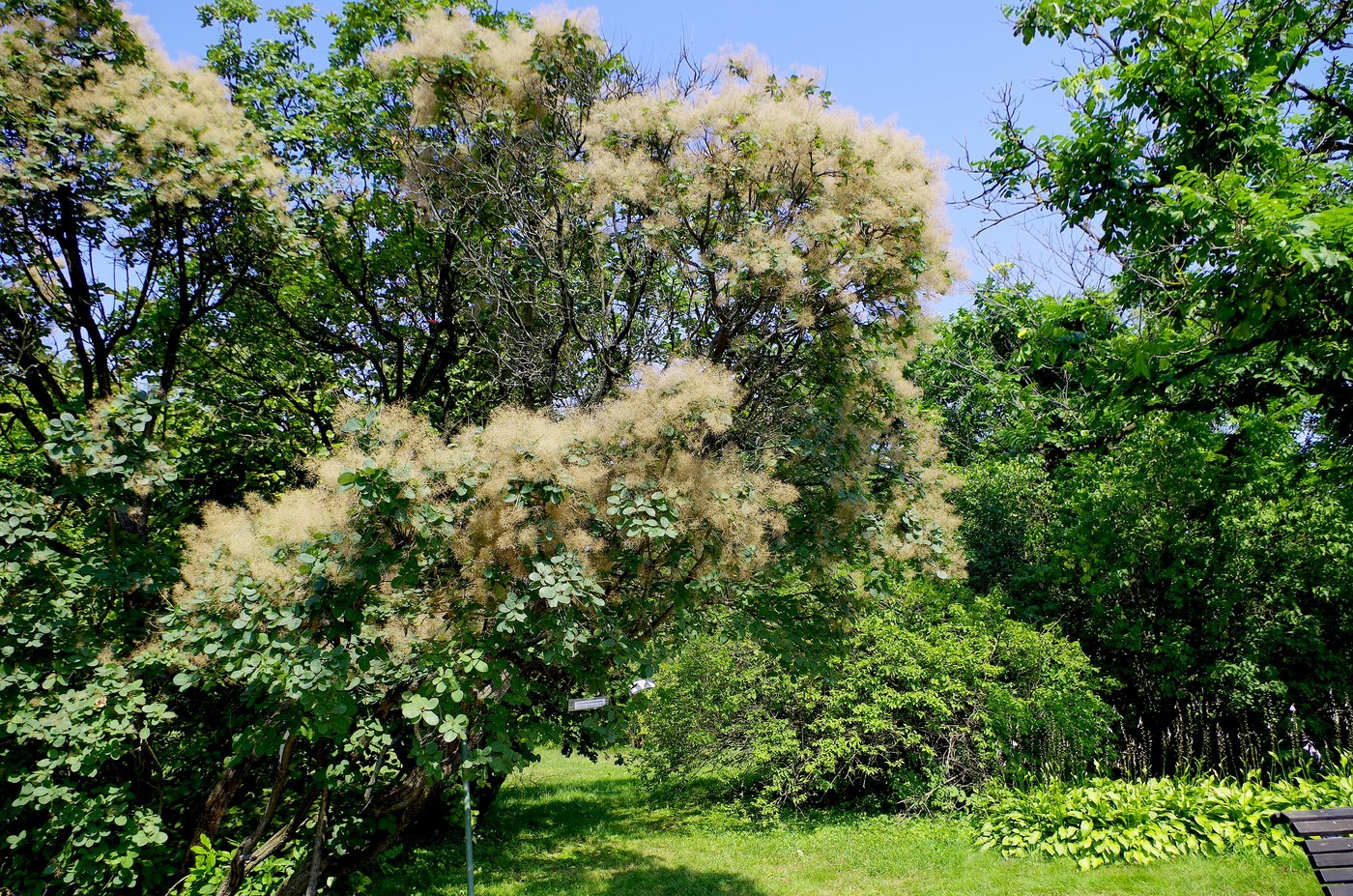
Smoke Tree (Cotinus coggygria) is a hardy deciduous shrub or small tree famous for the hazy, smoke-like clouds of fine flower stalks that hover over the plant in summer. Many varieties also offer striking purple, gold, or green foliage that flames into fiery colors in autumn.
Light
Grow Smoke Tree in full sun for the best performance. Purple- and gold-leaved cultivars develop their richest color and produce the most abundant smoky plumes in strong, direct sunlight. In too much shade the foliage color dulls, growth becomes sparse and open, and flowering is reduced. Aim for at least six hours of direct sun a day.
Water
Smoke Tree is drought-tolerant once established. During the first year or two after planting, water regularly to help the roots settle in, keeping the soil evenly moist but never waterlogged. After that, it needs little supplemental water except during extended dry spells. It strongly dislikes soggy soil, so lean toward drier conditions rather than overwatering.
Soil & Potting
This shrub is famously adaptable to poor, lean soils and even performs well in dry, rocky, or chalky ground. The key requirement is good drainage; it will not tolerate heavy, waterlogged soil. It tolerates a range of pH. Overly rich soil can actually reduce the intensity of foliage color and lead to floppy growth, so there is rarely any need to amend heavily. If grown in a large container, use a free-draining mix and a pot with ample drainage.
Humidity & Temperature
Smoke Tree is a tough, cold-hardy shrub suited to temperate climates, generally thriving across USDA zones 5 to 8. It handles heat well once established and is not fussy about humidity. It withstands wind and exposed sites. Its natural dormancy in winter lets it endure hard freezes with no protection needed in its hardiness range.
Feeding
Smoke Tree needs little feeding and often looks best in lean conditions. If growth is weak, apply a light dose of balanced or slow-release fertilizer in early spring. Avoid heavy, high-nitrogen feeding, which produces lush but weak growth and can mute the vivid foliage colors that make the plant so valued.
Propagation
Propagate from softwood cuttings taken in early summer, which root reasonably well under humid conditions. The shrub can also be layered by pinning a low branch to the soil until it roots, and species plants can be grown from seed, though named cultivars are best reproduced from cuttings to preserve their leaf color.
Repotting / Pruning
Pruning depends on your goal. Left largely unpruned, Smoke Tree develops into a large, airy shrub that flowers freely. For the boldest foliage and a compact shape, cut the plant back hard (coppicing or pollarding) in late winter or early spring; this sacrifices the summer plumes that year but produces vigorous stems with oversized, intensely colored leaves. Remove dead, damaged, or crossing branches as needed. Container specimens should be repotted every few years in early spring.
Common Problems & Pests
Smoke Tree is generally trouble-free. The most common issue is verticillium wilt, a soil fungus that causes branches to suddenly wilt and die back; prune out affected wood and avoid planting in previously infected ground. Powdery mildew can appear on foliage in humid, crowded conditions, so ensure good air circulation. Poor drainage leading to root rot is the main cultural pitfall. Serious pest problems are rare.
Seasonal Care Tips
In early spring, do any hard pruning and light feeding before growth resumes. Through summer, enjoy the smoky flower haze and water only during droughts. Autumn brings the shrub's spectacular foliage display, needing no special care. In winter the bare, dormant plant is fully hardy and can be left alone until the next spring's pruning.
Frequently asked questions
Should I cut back my Smoke Tree hard or leave it alone?
It depends on your goal. Leave it unpruned for a large shrub with abundant smoky flower plumes. Cut it back hard in late winter for a compact plant with dramatically larger, more colorful leaves, though you will lose that year's flowers.
Why is my Smoke Tree's purple foliage looking dull and green?
Insufficient sunlight is the usual cause. Purple-leaved varieties need full sun for six or more hours to develop rich color. Overly rich soil or heavy feeding can also mute the foliage tones.
How much water does an established Smoke Tree need?
Very little. Once established after its first year or two, it is quite drought-tolerant and only needs watering during prolonged dry spells. It much prefers dry conditions to soggy soil.
A whole branch suddenly wilted and died, what happened?
Sudden branch dieback often indicates verticillium wilt, a soil-borne fungus. Prune out the affected wood well below the damage, clean your tools, and avoid replanting susceptible shrubs in the same spot.