Smoke Tree
Cotinus coggygria
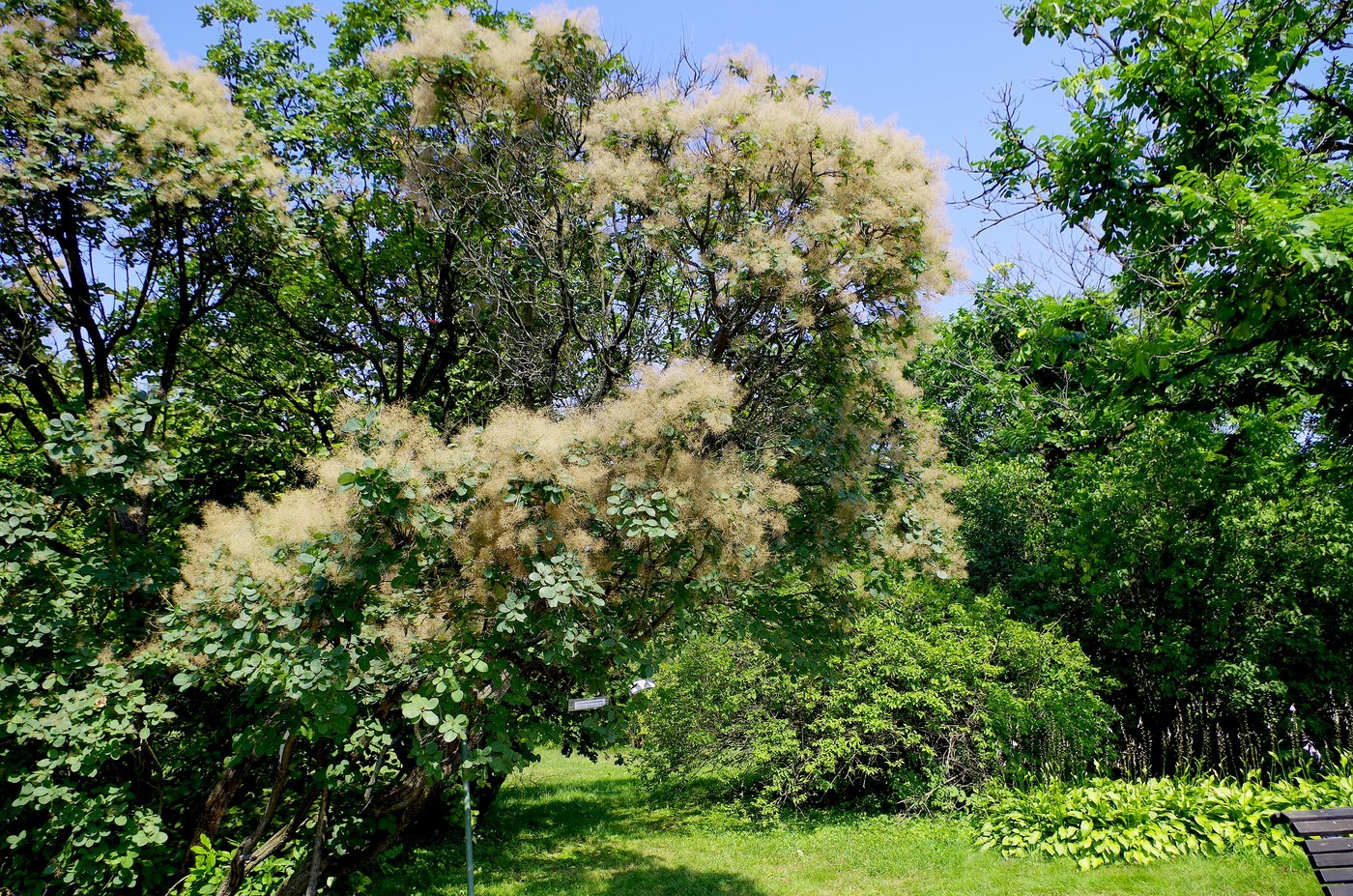
A deciduous shrub or small tree named for the airy, smoke-like plumes of fading flower stalks that envelop it in summer. Many cultivars also feature striking purple foliage.
- Light
- Full sun
- Water
- Drought-tolerant once established
- Difficulty
- Easy
Got a plant like this?
Identify any plant from a photo, free.
Overview
The smoke tree, Cotinus coggygria, is a deciduous shrub or small tree in the cashew family (Anacardiaceae). Its common name comes from the masses of fine, hairy flower stalks that develop after the tiny blooms fade, creating a hazy, smoke-like cloud over the plant in summer.
It typically grows 10-15 ft (3-4.5 m) tall and wide with a rounded, multi-stemmed habit. Purple-leaved cultivars such as 'Royal Purple' and 'Grace' are especially popular.
In autumn the foliage turns vivid shades of orange, red, and purple, extending its ornamental season.
How to identify it
- "Smoke": Feathery, pinkish to purplish-gray plumes of elongated flower stalks covering the plant in summer
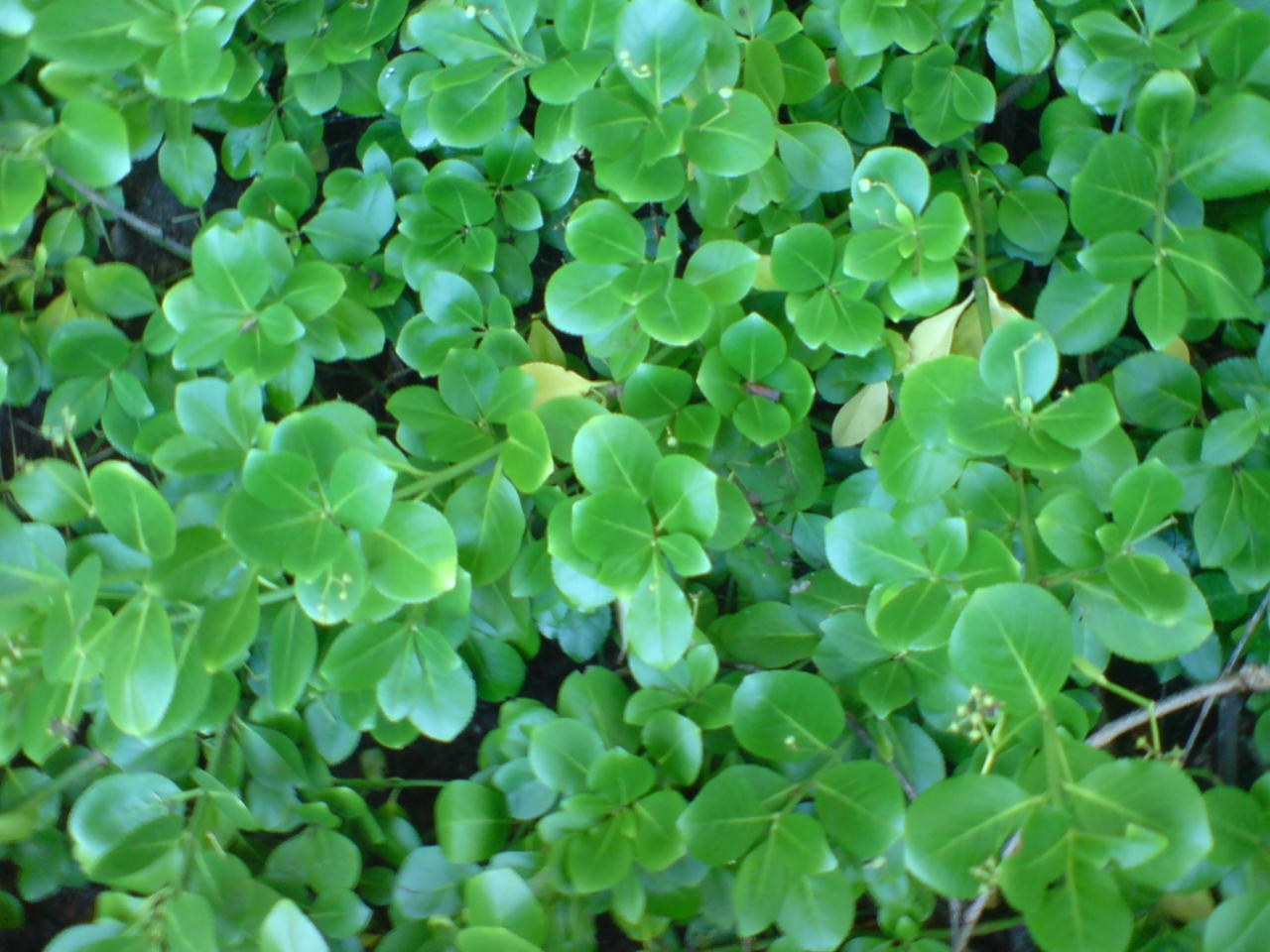
- Leaves: Rounded to oval, simple leaves up to 3 in (8 cm); green or, in popular cultivars, deep wine-purple
- Habit: Multi-stemmed, rounded shrub or small tree, 10-15 ft tall
- Fall color: Brilliant orange, scarlet, and purple autumn foliage
- Flowers: Individual flowers tiny and inconspicuous; the show is in the hairy stalks that follow
Care & growing
Light: Full sun produces the best foliage color and densest smoke plumes; purple cultivars fade in shade.
Water: Drought-tolerant once established; water occasionally in extreme heat.
Soil: Tolerates poor, rocky, and alkaline soils as long as drainage is good; dislikes wet feet.
Temperature: Hardy in USDA zones 4-8.
Feeding: Little to none; lean soils actually intensify color and bloom.
Pruning & propagation: Can be left to grow naturally or cut back hard (coppiced) in late winter for larger, more colorful leaves at the expense of flowers. Propagate by softwood cuttings or layering.
Habitat & origin
Cotinus coggygria is native to a broad area from southern Europe across to central China, where it grows on dry, rocky hillsides and scrubland.
Well adapted to lean, dry conditions, it is widely planted in temperate gardens across Europe and North America as a specimen shrub, in mixed borders, and in hedgerows.
Frequently asked questions
Should I prune my smoke tree for flowers or foliage?
Leave it largely unpruned for the best summer smoke display, or coppice it hard each spring for larger, more vivid leaves but fewer or no flower plumes.
Why is the purple color fading on my smokebush?
Purple-leaved cultivars need full sun to keep their deep color; in shade the leaves turn greener.
Is the smoke tree a tree or a shrub?
It is naturally a large multi-stemmed shrub but can be trained as a small single-trunk tree.
Does smoke tree tolerate poor soil?
Yes, it thrives in lean, dry, rocky, and alkaline soils and actually performs better without rich soil or heavy feeding.
Smoke Tree guides
In-depth guides for identifying, growing, and caring for Smoke Tree.
How to Care for Smoke Tree
Smoke Tree (Cotinus coggygria) is a sun-loving deciduous shrub grown for airy plume-like flower clusters and vivid foliage; drought-tolerant once established.
Smoke Tree Identification Guide
Identify the smoke tree (Cotinus) by its rounded blue-green or purple leaves and its signature hazy, smoke-like plumes of fine flower stalks.