
How to Care for Smokebush
Smokebush is an easy, drought-tolerant shrub prized for hazy summer flower plumes and vivid foliage; give it sun and lean, well-drained soil.
Read the full Smokebush encyclopedia entry →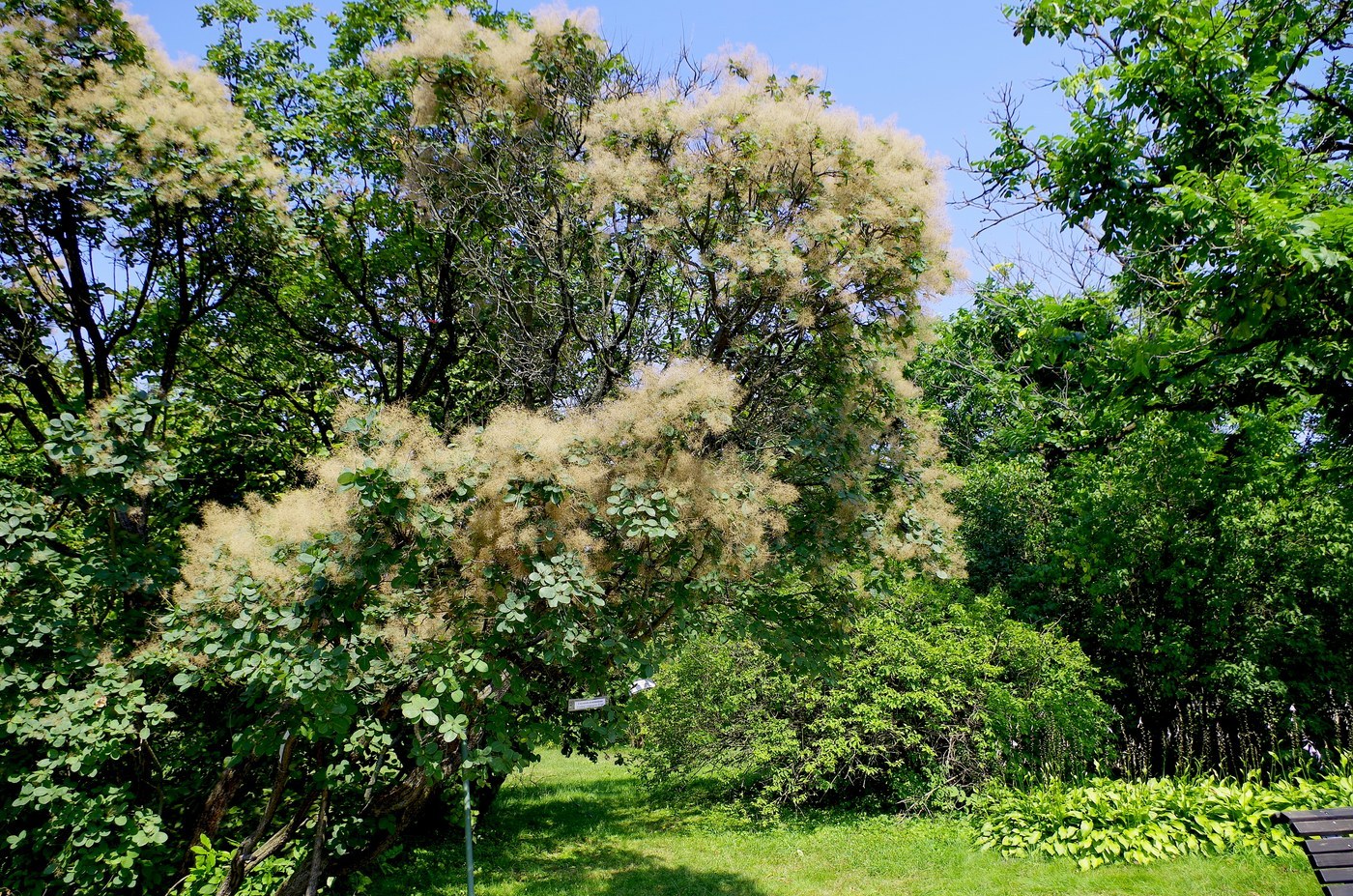
Smokebush (Cotinus coggygria) is a tough, deciduous shrub or small tree famous for the airy, smoke-like clouds of fine flower stalks that hover over the plant in summer, plus rounded foliage in shades of purple, gold, or green that blazes in autumn. It is easy, adaptable, and thrives on neglect.
Light
Plant smokebush in full sun for the strongest foliage color and the most abundant smoky plumes. Purple- and gold-leaved cultivars especially need direct sun to develop their richest tones; in shade they fade toward green and grow loose and sparse. It tolerates a little afternoon shade but performs best with 6+ hours of sun.
Water
Water regularly the first year to establish the root system, then this shrub becomes markedly drought-tolerant. Mature plants need only occasional deep watering during prolonged dry spells. It strongly prefers low to medium moisture and dislikes soggy ground, so err on the dry side once established.
Soil & Potting
Smokebush is unfussy and actually prefers lean, poor to average soil as long as it drains freely. It tolerates rocky, chalky, and dry sites and a wide pH range. Rich, heavy, or waterlogged soil undermines its health and can rot the roots, so prioritize drainage over fertility.
Humidity & Temperature
A hardy temperate shrub, smokebush withstands heat, cold winters, and dry air without complaint. It needs no special humidity. It is fully at home in exposed, sunny sites and copes with wind once established.
Feeding
Feeding is rarely needed and often counterproductive. Rich feeding produces soft, floppy growth and can reduce the intensity of foliage color and the density of the smoky flower display. At most, apply a thin layer of compost or a light balanced feed in spring on genuinely poor soil.
Propagation
Propagate from softwood cuttings in early summer or semi-ripe cuttings later in the season; layering low branches also works well, as they root where they touch the soil. Seed is possible but slow and variable, and named colored cultivars will not come true from seed.
Repotting / Pruning
Smokebush responds strongly to pruning. Left alone it forms a large multi-stemmed shrub with the best flowering. For bigger, more vivid leaves and a shrubbier form, cut it back hard in late winter to early spring, accepting that hard pruning sacrifices that year's flower plumes. Light shaping any year keeps it tidy. In containers, use a large pot and refresh or repot every few years.
Common Problems & Pests
Smokebush is largely trouble-free. Its main weakness is verticillium wilt, a soil fungus that causes sudden branch dieback; avoid wet soils and remove affected wood promptly. Powdery mildew and leaf spot can appear in humid, crowded conditions, remedied by better airflow. Pests are minor and seldom serious.
Seasonal Care Tips
Do any hard renewal pruning in late winter while dormant. Enjoy the smoky plumes through summer and the fiery foliage in autumn. It needs no winter protection in its hardiness range and drops its leaves cleanly before spring regrowth.
Frequently asked questions
Should I prune smokebush for foliage or for the smoke plumes?
You choose. Hard pruning in late winter gives large, intensely colored leaves but removes that year's smoky flowers, since blooms form on older wood. Leave it unpruned or prune lightly if you want the plumes.
Why has my purple smokebush turned green?
Insufficient light is the usual cause. Purple and gold cultivars need full sun to hold their color; in shade they revert toward green and grow leggier. Move it to a sunnier spot if possible.
How much water does an established smokebush need?
Very little. After its first year it is genuinely drought-tolerant and needs only occasional deep watering in extended dry spells. It dislikes constantly wet soil more than dryness.
Why did a branch on my smokebush suddenly die back?
Sudden branch dieback often signals verticillium wilt, a soil-borne fungus favored by wet ground. Prune out affected wood, improve drainage, and avoid overwatering to limit its spread.