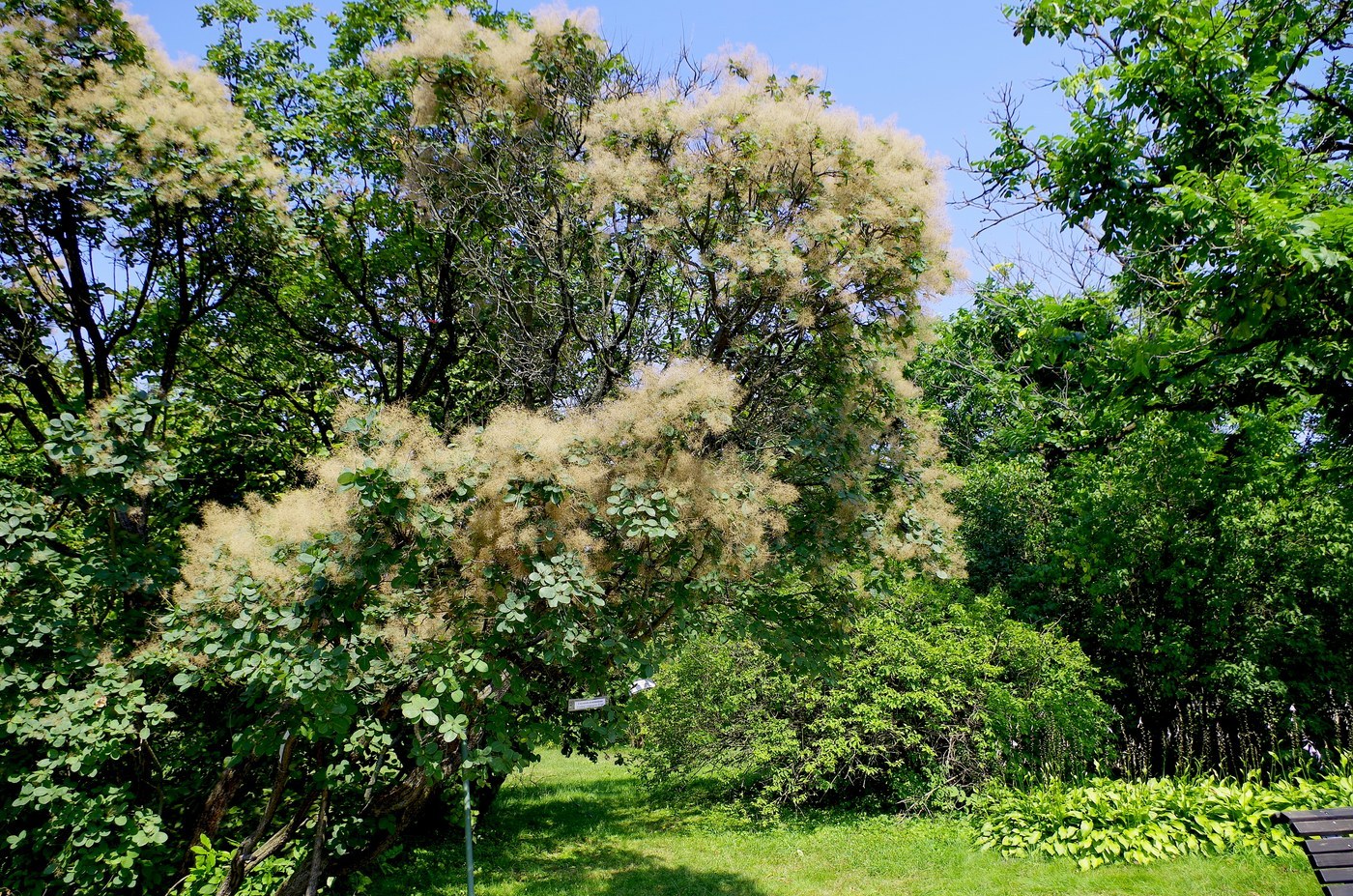
Smokebush
Cotinus coggygria
A deciduous shrub famous for the airy, smoke-like haze of fluffy flower stalks that envelop the plant in summer. Many cultivars add dramatic purple or gold foliage and fiery fall color.
- Light
- Full sun
- Water
- Low to medium; drought-tolerant
- Difficulty
- Easy
Got a plant like this?
Identify any plant from a photo, free.
Overview
Smokebush is a rounded deciduous shrub or small tree grown for the remarkable 'smoke' effect created by masses of fine, hairy stalks on its spent flower clusters, which give the whole plant a soft, hazy appearance in summer.
Popular cultivars feature rich purple foliage ('Royal Purple', 'Velvet Cloak') or chartreuse-gold leaves ('Golden Spirit'), and most put on a spectacular orange-red-purple fall display. It is tough, drought-tolerant, and easy in poor soils.
Smokebush can be grown as a large flowering shrub for its smoke effect, or coppiced hard each spring to produce vivid, oversized foliage at the expense of flowers.
How to identify it
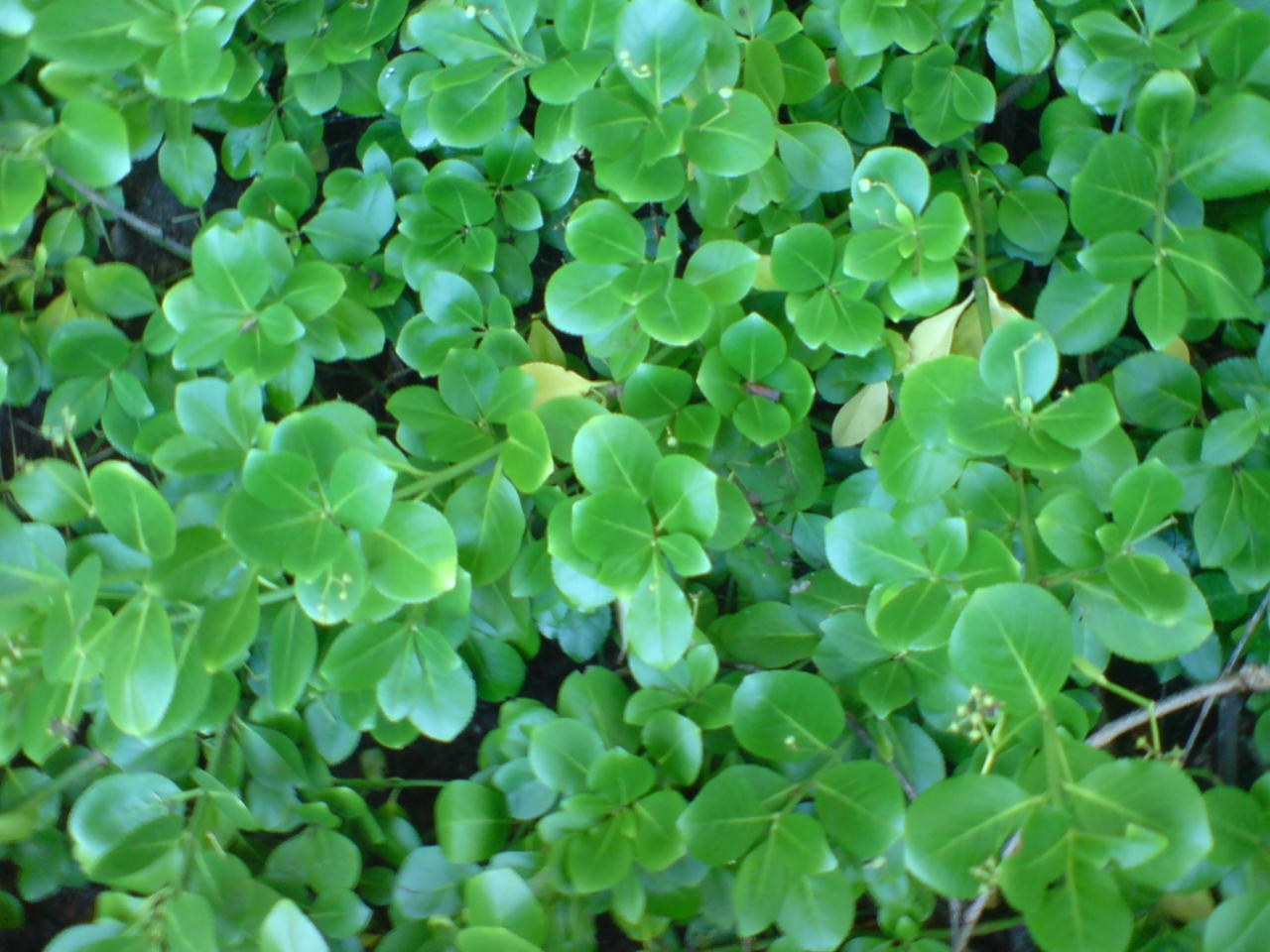
- Leaves: Simple, oval to rounded, 1.5-3 in; green, deep purple, or gold by cultivar, often coloring brilliantly in fall
- 'Smoke': Large, loose, feathery panicles whose tiny flowers are followed by elongated, hairy stalks that turn pinkish-gray and create the smoke-like haze
- Habit: Rounded, multi-stemmed shrub or small tree, typically 10-15 ft tall and wide, smaller if coppiced
- Sap: Twigs and leaves release an aromatic, slightly citrusy scent when crushed
Care & growing
Light: Full sun for best foliage color and abundant smoke; tolerates light shade.
Water: Drought-tolerant once established; avoid soggy soil.
Soil: Thrives in average to poor, well-drained soil; tolerates rocky and alkaline ground. Rich, wet soils reduce color and flowering.
Temperature: Hardy roughly USDA zones 4-8.
Feeding: Minimal; lean soil intensifies fall color.
Pruning: For 'smoke,' prune lightly. For dramatic large foliage, coppice or cut back hard in early spring, which sacrifices the flowers.
Propagation: From softwood cuttings or layering.
Habitat & origin
Cotinus coggygria is native to a broad arc from southern Europe across to central China, growing on dry, rocky, sunny hillsides and scrubland. A related species, Cotinus obovatus, is the American smoketree of the southeastern United States.
Smokebush is widely planted in temperate gardens as a specimen shrub and for its foliage and smoke effect in mixed borders.
Frequently asked questions
What makes the 'smoke' on a smokebush?
The haze comes not from the tiny flowers themselves but from the masses of fine, hairy stalks on the spent flower clusters, which create a soft, smoke-like cloud over the plant.
Should I coppice my smokebush?
It depends on your goal. Hard pruning (coppicing) each spring produces lush, oversized colorful leaves but removes the flowering 'smoke.' Light pruning preserves the smoke display.
Why is my smokebush not coloring well?
Purple and gold cultivars need full sun for best color, and lean, well-drained soil enhances fall tints. Shade and overly rich, wet soil dull the display.
Smokebush guides
In-depth guides for identifying, growing, and caring for Smokebush.
How to Care for Smokebush
Smokebush is an easy, drought-tolerant shrub prized for hazy summer flower plumes and vivid foliage; give it sun and lean, well-drained soil.
Smokebush Identification Guide
How to identify smokebush by its rounded blue-green or purple leaves and the smoky haze of fluffy flower stalks in summer.