
How to Care for Sneezeweed
Grow sneezeweed for late-season fire: sturdy daisy-form perennials in gold, orange, and red that love full sun and steady moisture.
Read the full Sneezeweed encyclopedia entry →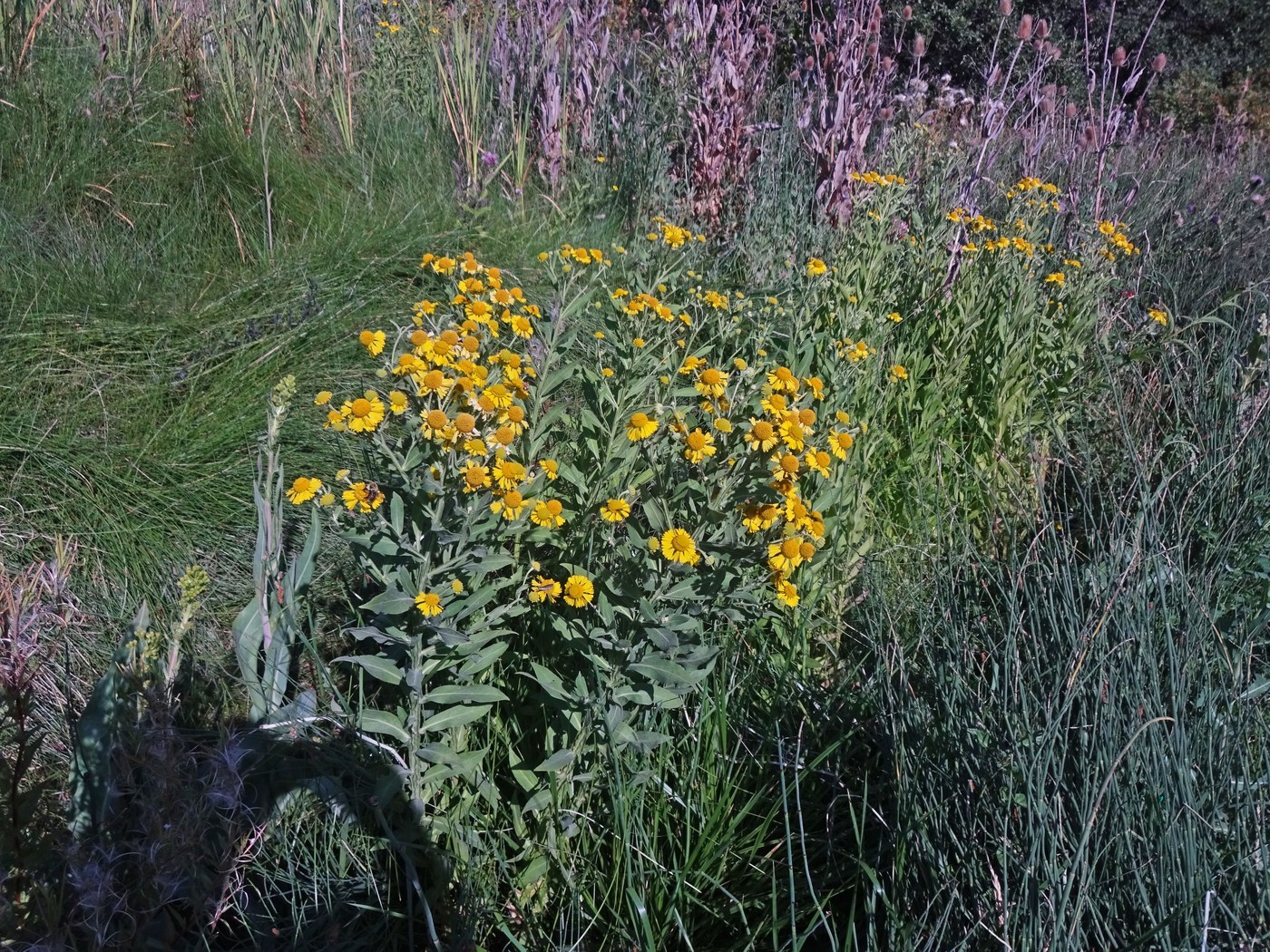
Sneezeweed (Helenium autumnale) is a clump-forming perennial that lights up the late-summer and autumn garden with masses of daisy-like blooms in warm gold, copper, orange, and mahogany, centered on distinctive domed disks. It is an easy, reliable border plant that thrives in sun and moist soil.
Light
Grow sneezeweed in full sun. Ample direct light keeps the stems sturdy and upright and maximizes the flower display. In too much shade plants stretch, flop, and bloom poorly, so give them at least six hours of sun.
Water
Unlike many sun perennials, sneezeweed likes consistent moisture and does not tolerate drought well. Keep the soil evenly moist, especially during hot, dry weather and while flowering. It is a good choice for damp spots and pond margins. Do not let the root zone dry out completely, as drought stress causes wilting and premature leaf drop.
Soil & Potting
Sneezeweed prefers rich, moisture-retentive soil that still drains reasonably. Fertile loam amended with organic matter is ideal, and it happily grows in heavier soils that stay damp. Avoid thin, fast-draining sandy soils that dry out too quickly unless you can water frequently.
Humidity & Temperature
This hardy North American perennial handles a wide range of temperatures and cold winters well. It appreciates normal outdoor humidity and does not need any special protection in the growing season. Good airflow helps prevent foliar disease in humid climates.
Feeding
Because it grows lush, sneezeweed benefits from moderate feeding. Work compost into the bed at planting and top-dress in spring, or apply a balanced fertilizer during the growing season. Avoid overfeeding with high nitrogen, which encourages weak, floppy growth needing staking.
Propagation
Divide clumps in spring every couple of years to keep them vigorous; this is the simplest way to make more plants. Basal stem cuttings taken in spring also root well. Species plants can be grown from seed sown in the season, though named cultivars are best propagated by division to stay true.
Repotting / Pruning
Pinch or cut the stems back by about a third in early summer to produce bushier, more self-supporting plants with more flowers, a technique that also delays and extends bloom. Deadhead spent flowers to prolong the display. Divide congested clumps every two to three years to prevent the center from dying out. Cut stems down after they die back.
Common Problems & Pests
The main issues are related to stress and moisture: drought causes wilting and lower-leaf browning, while crowded, humid conditions can bring powdery mildew, rust, or leaf spot, all reduced by spacing and airflow. Tall varieties may flop and need staking or an early cutback. Occasional pests include aphids and slugs on young growth.
Seasonal Care Tips
In spring divide and feed, and begin steady watering as growth resumes. In early summer pinch the plants back for bushier form. Through the peak bloom of late summer and autumn, keep the soil moist and deadhead regularly to extend flowering. After the plants die back in late autumn, cut them down and mulch for winter.
Frequently asked questions
Why is my sneezeweed wilting and dropping lower leaves?
This is usually drought stress. Sneezeweed needs consistently moist soil and does not tolerate dry spells; water deeply and keep the root zone from drying out, especially in hot weather.
How do I stop sneezeweed from flopping over?
Grow it in full sun, avoid overfeeding, and pinch or cut the stems back by about a third in early summer. This produces shorter, bushier, more self-supporting plants.
How can I get more flowers for longer?
Deadhead spent blooms regularly to keep the plant flowering, and give it the steady moisture and full sun it prefers. An early-summer cutback also extends and increases the bloom.
How often should I divide sneezeweed?
Every two to three years in spring. Dividing keeps clumps vigorous, prevents the center from dying out, and gives you extra plants.