
How to Care for Snowbell Tree
Grow the Japanese snowbell: a graceful small tree that drips with fragrant white bells in late spring and loves moist, well-drained soil.
Read the full Snowbell Tree encyclopedia entry →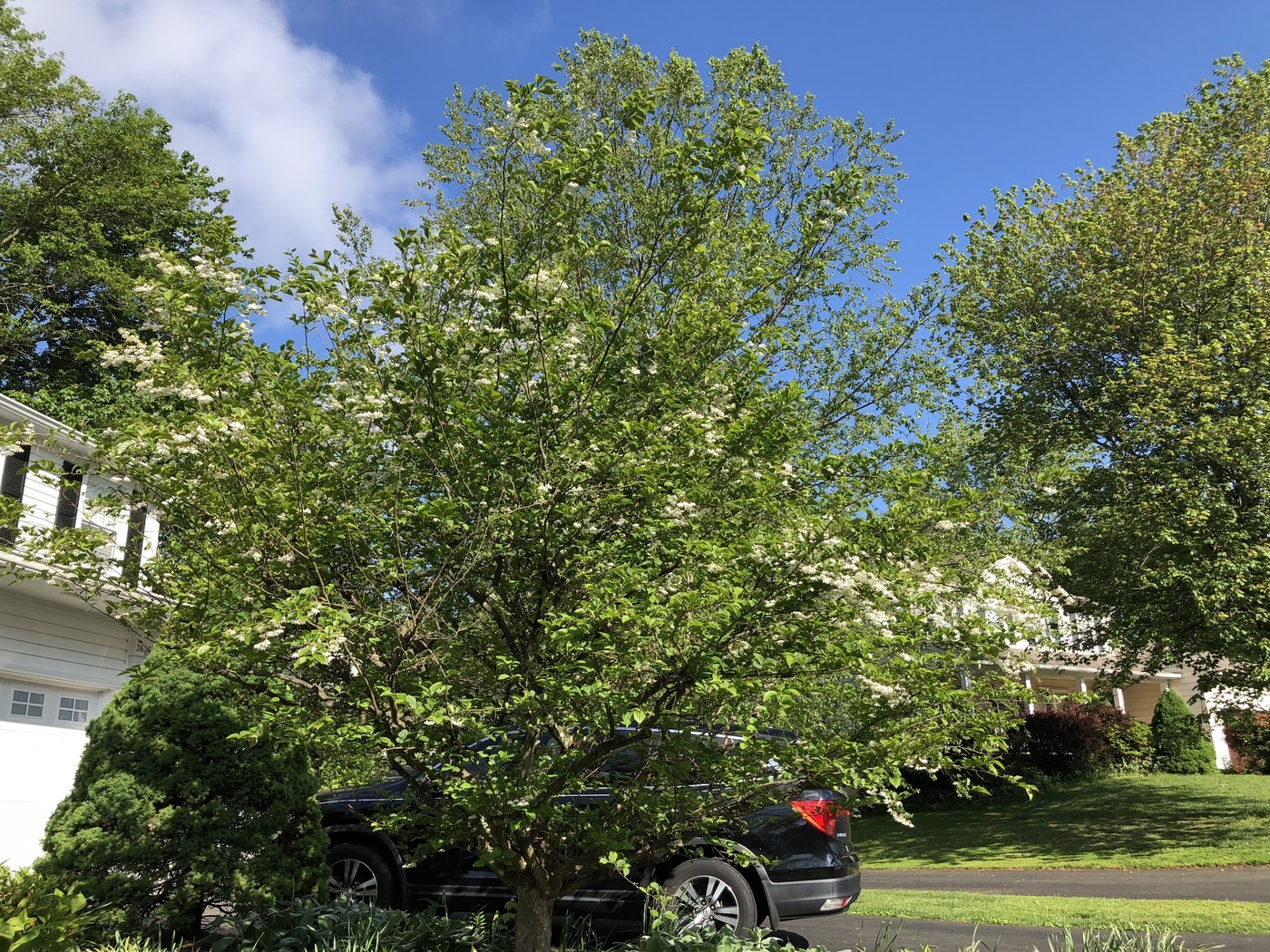
The Snowbell Tree (Styrax japonicus), or Japanese snowbell, is an elegant small deciduous tree valued for its horizontally tiered branches and its late-spring show of pendulous, bell-shaped white flowers that hang beneath the foliage. Its refined form and modest size make it a favorite specimen tree.
Light
Snowbell grows well in full sun to partial shade. It flowers most freely in full sun, but in hot-summer regions a spot with some afternoon shade protects the foliage from scorch. Dappled woodland-edge light suits it beautifully.
Water
Keep the soil evenly moist. Snowbell has moderate water needs and prefers soil that never dries out fully, particularly while young and during hot spells. It is not drought-tolerant, so water regularly through dry weather, but avoid waterlogging. A mulch layer helps conserve steady moisture around the roots.
Soil & Potting
This tree does best in rich, moisture-retentive but well-drained soil on the slightly acidic side. It dislikes heavy, poorly drained ground as well as dry, alkaline soils, which can cause leaf yellowing. Amend the planting area with organic matter and mulch to keep the root zone cool and consistently moist.
Humidity & Temperature
Japanese snowbell is a hardy temperate tree that handles cold winters and normal summer conditions. It prefers climates without extreme, prolonged heat; in very hot regions site it where roots stay cool and it gets afternoon relief. It appreciates protection from harsh drying winds.
Feeding
Feeding needs are modest. Apply an annual layer of compost or a light dose of balanced tree fertilizer in early spring to support healthy growth. Because it likes slightly acidic conditions, an acidifying feed can help if leaves show yellowing on alkaline soil. Avoid heavy fertilizing.
Propagation
Snowbell is typically propagated from seed, which needs a period of cold stratification (and sometimes warm-then-cold treatment) to break dormancy, so germination can be slow. Semi-hardwood cuttings taken in summer can be rooted under mist, and named cultivars are often grafted.
Repotting / Pruning
Little pruning is needed; the tree naturally develops its attractive layered shape. Prune only to remove dead, damaged, or crossing branches and to lift the canopy if desired, ideally after flowering since blooms form on established wood. Keep any structural pruning minimal to preserve the graceful habit.
Common Problems & Pests
Snowbell is generally healthy and pest-resistant. The main troubles come from unsuitable soil: leaf scorch in hot, dry, or windy sites and chlorosis (leaf yellowing) in alkaline or waterlogged soil. Ensure consistent moisture, good drainage, and slight acidity. Occasional pests such as scale may appear but are seldom serious.
Seasonal Care Tips
In spring, feed and mulch as growth begins and enjoy the flush of bell flowers in late spring. Through summer keep the soil evenly moist and watch for heat or wind scorch. Do any needed pruning after bloom. In autumn the foliage colors and drops; maintain a mulch layer to protect roots over winter, when the tree is dormant.
Frequently asked questions
Why are my snowbell tree's leaves scorching at the edges?
Leaf scorch usually comes from too much heat, drying wind, or soil that dries out. Give it consistent moisture, a cooling mulch, and in hot regions a spot with afternoon shade.
Why are the leaves turning yellow?
Yellowing (chlorosis) often signals alkaline soil or waterlogging. Snowbell prefers slightly acidic, well-drained but moist soil; improve drainage and acidity to green the foliage back up.
Does the Japanese snowbell need much pruning?
No. It naturally forms an attractive tiered shape. Prune only to remove dead or crossing branches, and do it after flowering to avoid cutting off the coming season's blooms.
How much sun does a snowbell tree need?
Full sun to partial shade. It blooms best in full sun, but in hot climates give it afternoon shade and cool, moist roots to prevent leaf scorch.