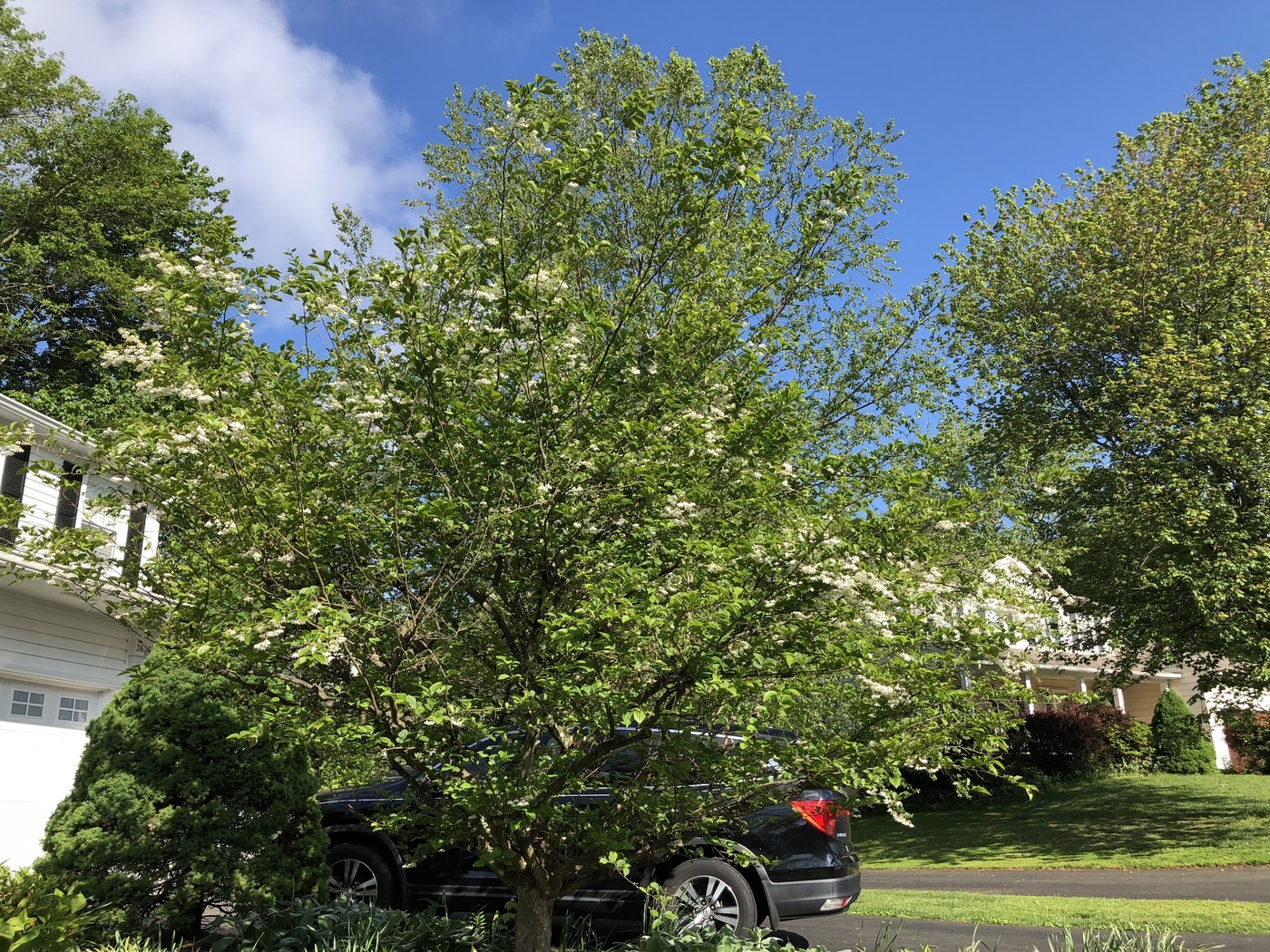
Snowbell Tree
Styrax japonicus
A graceful small tree that hangs with rows of fragrant, bell-shaped white flowers in late spring. Its horizontal branching shows the dangling blooms off to perfection.
- Light
- Full sun to partial shade
- Water
- Moderate; keep evenly moist
- Difficulty
- Moderate
Got a plant like this?
Identify any plant from a photo, free.
Overview
The Japanese snowbell, Styrax japonicus, is a small deciduous tree in the storax family (Styracaceae), prized for its delicate, fragrant flowers. In late spring to early summer, rows of pendulous, bell-shaped white flowers with yellow stamens hang in lines beneath the wide-spreading branches.
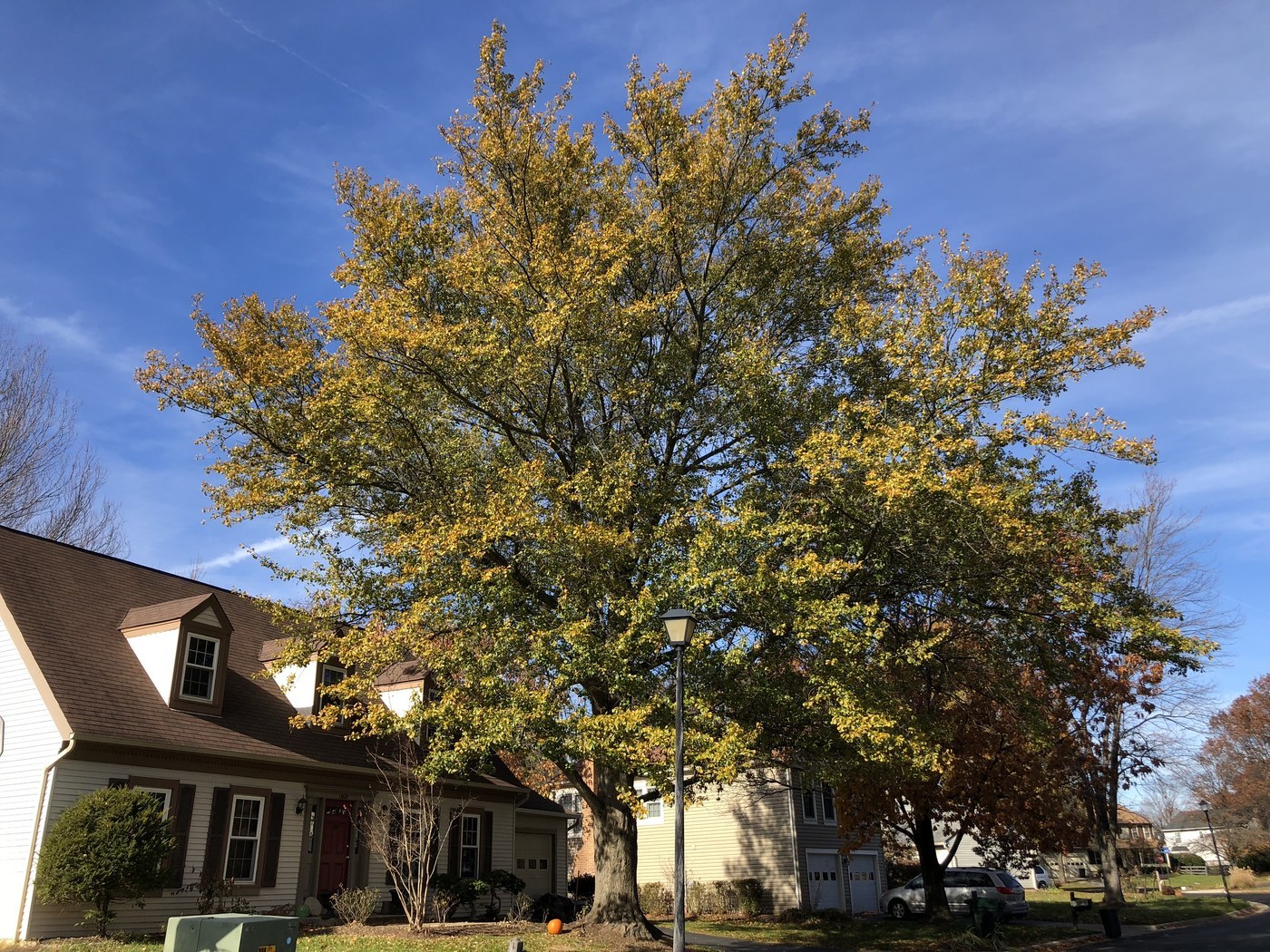
The tree grows 20-30 ft (6-9 m) tall, often with a broad, layered, horizontal branching pattern that displays the dangling flowers beautifully when viewed from below.
Smooth gray bark and clean foliage make it an excellent small specimen or patio tree, especially where it can be underplanted and admired from beneath.
How to identify it
- Flowers: Small, pendulous, bell-shaped white flowers about 0.75 in (2 cm), with protruding yellow stamens, hanging in rows along the undersides of branches; lightly fragrant
- Leaves: Small, oval, finely toothed, glossy green, turning yellow to red in fall
- Habit: Small tree, 20-30 ft, with a wide, horizontally layered crown
- Bark: Smooth gray-brown, developing orange fissures with age
- Fruit: Small green hanging drupes
Care & growing
Light: Full sun to partial shade; afternoon shade is beneficial in hot climates.
Water: Keep soil consistently moist, especially when young; it dislikes drought.
Soil: Prefers rich, moist, well-drained, acidic to neutral soil; mulch to keep roots cool.
Temperature: Hardy in USDA zones 5-8; shelter from harsh, drying winds.
Feeding: Light spring feeding with an acid-forming fertilizer.
Pruning & propagation: Needs little pruning; remove only crossing or damaged wood after flowering. Propagate by seed or softwood cuttings.
Habitat & origin
Styrax japonicus is native to Japan, Korea, and China, where it grows as an understory tree in moist woodlands and along forest edges and streams.
It is widely planted as an ornamental in temperate gardens of Europe and North America, valued especially in small gardens, courtyards, and as a patio or lawn specimen where its hanging flowers can be appreciated from below.
Frequently asked questions
Where should I plant a Japanese snowbell?
Plant it where you can look up into the canopy, such as beside a patio, path, or slope, so you can enjoy the hanging flowers from beneath. It likes moist, sheltered sites.
Is the snowbell tree messy?
It is fairly clean; spent flowers and small fruits drop but cause little nuisance, making it a good choice near patios.
Does it need acidic soil?
It prefers moist, well-drained, acidic to neutral soil and can struggle in dry or strongly alkaline conditions.
Snowbell Tree guides
In-depth guides for identifying, growing, and caring for Snowbell Tree.
How to Care for Snowbell Tree
Grow the Japanese snowbell: a graceful small tree that drips with fragrant white bells in late spring and loves moist, well-drained soil.
Snowbell Tree Identification Guide
Recognize the Japanese snowbell (Styrax japonicus) by its rows of small, bell-shaped white flowers dangling beneath horizontal branches in late spring.