
How to Care for Soapwort
Grow Soapwort (Saponaria officinalis): an easy, spreading cottage-garden perennial with fragrant pink summer blooms that thrives in sun and poor soil.
Read the full Soapwort encyclopedia entry →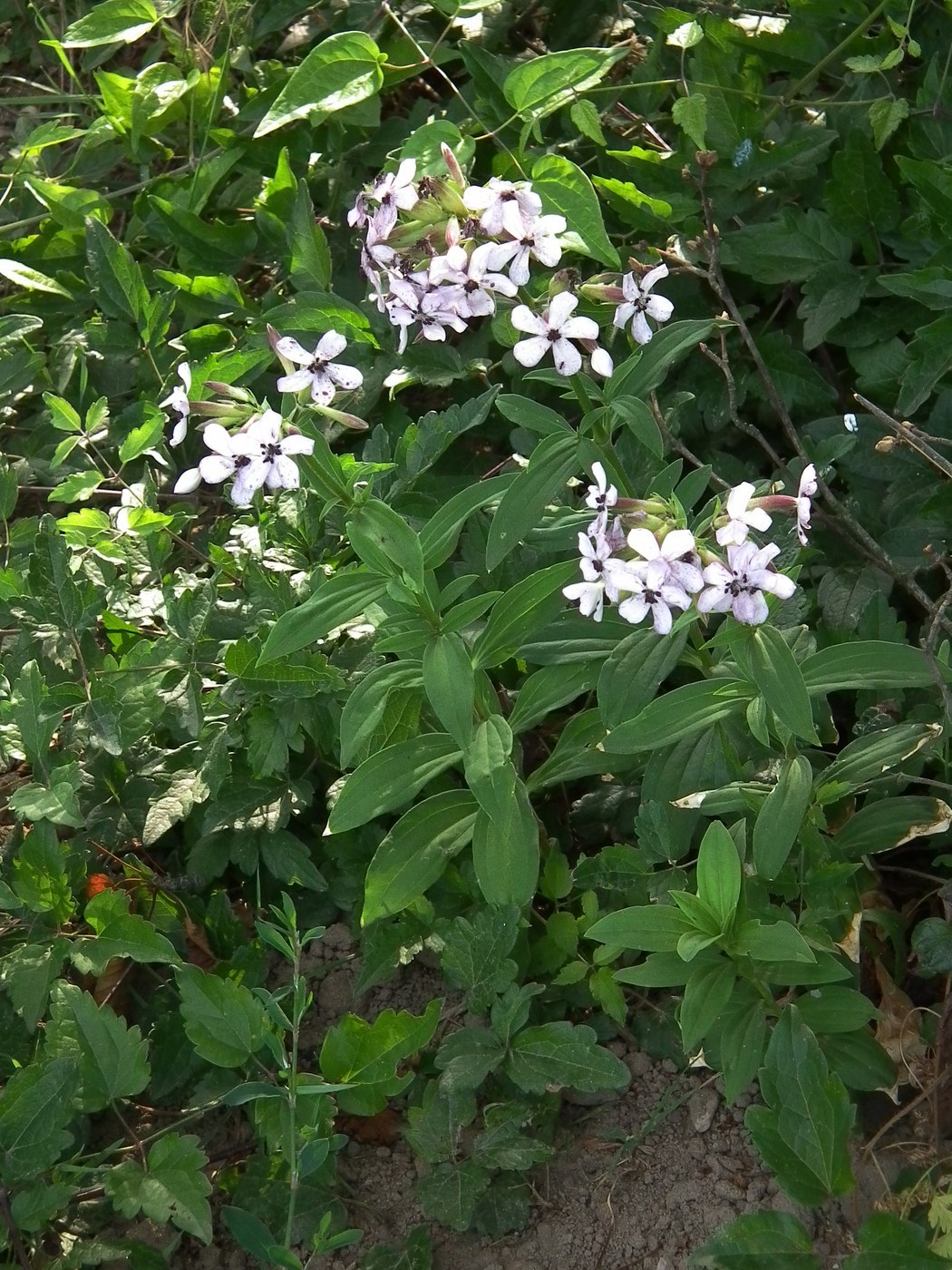
Soapwort (Saponaria officinalis) is a tough, spreading herbaceous perennial prized for its clusters of soft-pink, lightly fragrant summer flowers and its willingness to colonize difficult spots. It is genuinely easy to grow and can even become vigorous, so give it room to roam.
Light
Grow soapwort in full sun to part shade. It flowers most heavily and stays most compact with at least six hours of direct sun, but it will tolerate dappled or afternoon shade, becoming a bit taller and looser in low light. In deep shade stems flop and bloom thins.
Water
Water moderately while young plants establish, then let soapwort largely fend for itself; established clumps tolerate dry spells well thanks to a deep, wandering rhizome system. Give a deep soak during prolonged summer drought to keep foliage fresh, but avoid constantly wet soil, which invites rot.
Soil & Potting
Soapwort is unfussy and grows in almost any well-drained soil, from lean sandy ground to average garden loam. It actually flowers better and spreads less aggressively in poor, gritty soils. Neutral to slightly alkaline pH suits it best. In containers use a free-draining, loam-based mix and expect to divide often, as roots quickly fill a pot.
Humidity & Temperature
A hardy cool-temperate perennial, soapwort withstands hard frost and dies back to the ground in winter, returning in spring. It is indifferent to humidity and shrugs off summer heat as long as roots have some moisture. No special protection is needed in most temperate gardens.
Feeding
Soapwort needs little to no feeding and often blooms best in unimproved soil. Overly rich or high-nitrogen ground produces lush, floppy growth at the expense of flowers. At most, work a little compost into poor soil at planting; skip regular fertilizer.
Propagation
Propagate by division in spring or autumn, simply lifting a clump and splitting the rhizomes; each piece with roots re-establishes readily. It also grows easily from seed sown in spring, and stem cuttings taken in early summer root without difficulty. Self-sown seedlings and creeping rhizomes mean it spreads on its own.
Repotting / Pruning
Divide congested clumps every two to three years to control spread and reinvigorate flowering. Shear plants back by about half after the main flush of bloom to tidy leggy growth and often encourage a lighter second flowering. Cut spent stems to the ground in late autumn or early spring. Remove seed heads before they ripen if you want to limit self-seeding.
Common Problems & Pests
Soapwort is largely trouble-free. Its main fault is vigor: rhizomes can travel and it may self-sow into unwanted areas, so site it where spread is welcome or contain the roots. In damp, crowded conditions it can develop leaf spot or powdery mildew; improve airflow and avoid overhead watering. Poorly drained soil may cause crown or root rot. Pests are rare, though aphids occasionally cluster on soft new shoots.
Seasonal Care Tips
In spring, cut away old growth and divide if needed as fresh shoots emerge. Through summer, deadhead or shear after flowering to prolong bloom and neaten the plant. In autumn, cut stems back and lift/divide overgrown clumps. Winter care is minimal in temperate zones; the plant is fully dormant and needs no protection.
Frequently asked questions
Why is my soapwort flopping over?
Floppy, leggy soapwort usually means too much shade or overly rich soil. Move it into more sun, cut it back by half after the first bloom, and stop fertilizing; leaner conditions produce sturdier, more compact plants.
How do I keep soapwort from spreading too much?
Plant it in poorer soil, divide the clump every couple of years, and remove spent flowers before they set seed. For strict control, sink a root barrier or grow it in a buried container.
Can I grow soapwort in a pot?
Yes. Use a free-draining, loam-based mix in a roomy container, site it in full sun, and water moderately. Roots fill a pot quickly, so plan to divide and refresh the soil every year or two.
Does soapwort come back every year?
Yes, it is a hardy herbaceous perennial. It dies back to the ground in winter and re-sprouts from its rhizomes each spring, often expanding a little wider each season.