
How to Care for Solomon's Seal
Grow arching Solomon's Seal in shade with rich, evenly moist woodland soil for elegant nodding blooms and graceful foliage.
Read the full Solomon's Seal encyclopedia entry →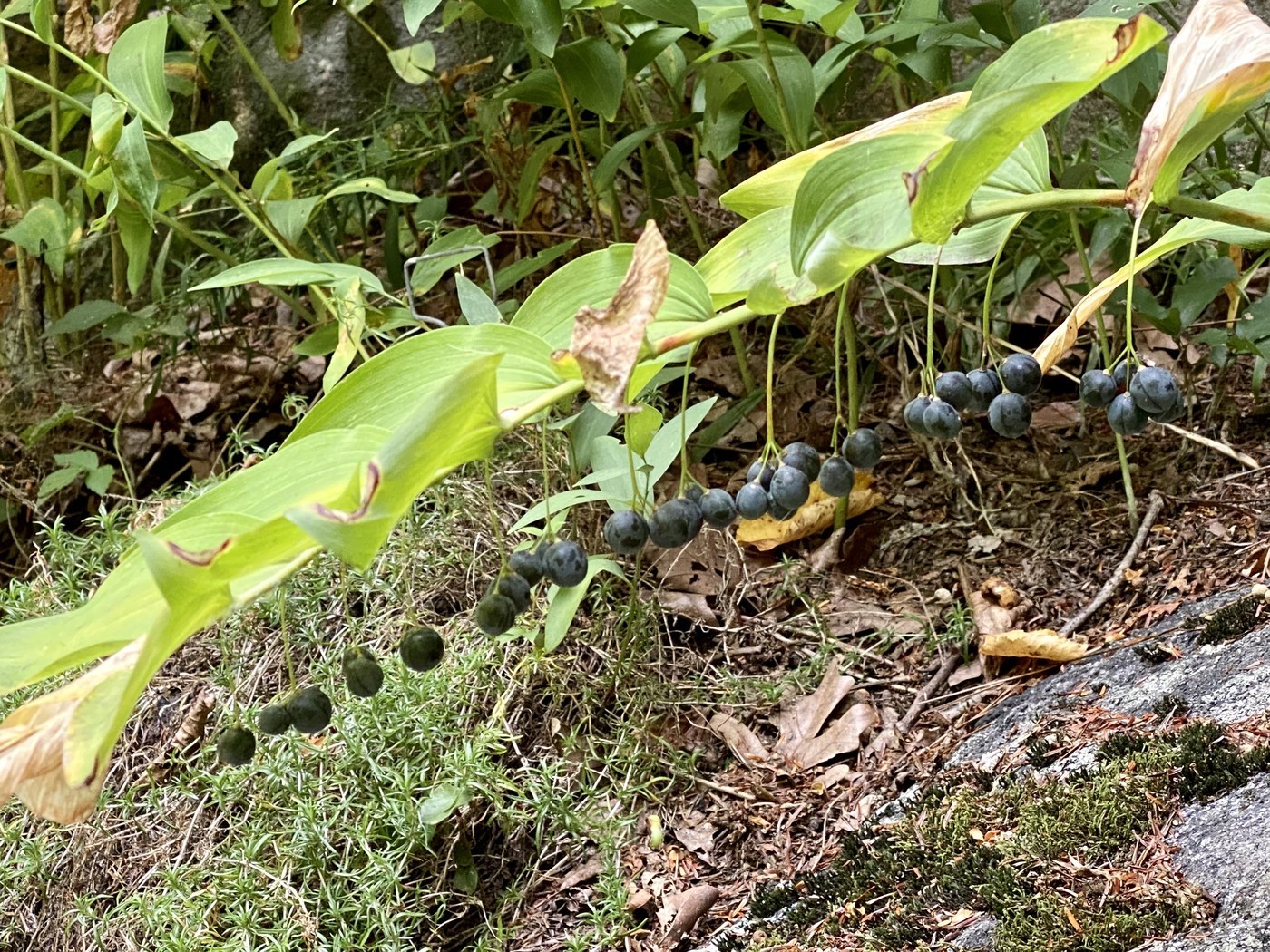
Solomon's Seal (Polygonatum biflorum) is a graceful woodland perennial prized for its arching stems, paired nodding bell-shaped flowers, and neat rows of ribbed leaves. It is an easy, long-lived rhizomatous plant that spreads slowly into elegant colonies in the shade garden.
Light
Solomon's Seal thrives in part to full shade, making it ideal for the north side of a house or beneath deciduous trees. Dappled light produces the fullest, most graceful arching stems. Avoid direct midday sun, which scorches the foliage and causes leaf edges to brown and curl. In cooler climates it will tolerate a bit more morning sun if soil stays consistently moist.
Water
Keep the soil evenly moist, especially during spring growth and flowering. This is a woodland plant that resents drying out, though it does not want to sit in standing water. Provide deep, regular watering during dry spells and mulch to conserve moisture. Established colonies show moderate drought tolerance once dormant, but consistent moisture yields the lushest foliage.
Soil & Potting
Provide rich, humus-heavy soil that mimics a forest floor. A loose, loamy mix amended generously with leaf mold or compost is ideal. Slightly acidic to neutral pH suits it best. Good drainage prevents rhizome rot, but the soil should retain moisture. For container culture, use a peat- or compost-based mix and choose a wide, shallow pot to accommodate the horizontal rhizomes.
Humidity & Temperature
As a temperate woodlander, Solomon's Seal appreciates cool, moderately humid conditions and is fully hardy, dying back to the rhizome in winter. It performs best where summers are not brutally hot; in warm regions, deeper shade and reliable moisture help it cope. It withstands hard frost and requires a cold dormancy period to re-emerge vigorously each spring.
Feeding
This is not a heavy feeder. A spring top-dressing of compost or a light application of balanced slow-release fertilizer as new shoots emerge is sufficient. Refreshing the leaf-mold mulch each year supplies most of the nutrients it needs. Avoid high-nitrogen feeds that push weak, floppy growth.
Propagation
The easiest method is division of the rhizomes in early spring or autumn while dormant. Lift a clump, cut the rhizome into sections each bearing a growth bud, and replant horizontally a couple of inches deep. It can also be grown from seed, but this is slow and requires cold stratification and patience, often taking several years to reach flowering size.
Repotting / Pruning
Solomon's Seal needs little pruning. Simply cut back the yellowing stems in late autumn once foliage has died down. Container plants can be divided and repotted every two to three years when the rhizomes fill the pot. Handle rhizomes gently and replant promptly so they do not dry out.
Common Problems & Pests
Sawfly larvae are the most notable pest, capable of skeletonizing leaves in late spring; inspect the undersides and remove them by hand. Slugs and snails may nibble emerging shoots. Leaf scorch signals too much sun or insufficient water. Rhizome rot occurs in soggy, poorly drained soil, so improve drainage if crowns soften.
Seasonal Care Tips
In spring, top-dress with compost and watch for emerging sawfly. Through summer, maintain even moisture and refresh mulch. In autumn, cut back spent stems and divide congested clumps. In winter, the plant rests dormant underground and needs no attention; a light leaf-litter mulch protects the rhizomes.
Frequently asked questions
Can Solomon's Seal grow in deep shade?
Yes. It is one of the best perennials for part to full shade and will thrive in spots too dark for many flowers, as long as the soil stays rich and evenly moist.
Why are the leaves getting holes in late spring?
This is usually sawfly larvae feeding on the foliage. Check leaf undersides and remove the caterpillar-like larvae by hand before they skeletonize the leaves.
How do I propagate Solomon's Seal?
Divide the rhizomes in early spring or autumn. Cut the horizontal rhizome into pieces, each with a growth bud, and replant a couple of inches deep.
Does it need a lot of fertilizer?
No. A spring top-dressing of compost or leaf mold supplies nearly everything it needs. Avoid heavy nitrogen feeds, which cause weak, floppy stems.
Will it spread and become invasive?
It spreads slowly by rhizome into graceful colonies but is easy to control. Simply lift and divide clumps if they outgrow their space.