
How to Care for Sorrel
Grow Sorrel (Rumex acetosa), an easy, hardy perennial with fresh green arrow-shaped leaves and a tidy clumping habit for ornamental beds.
Read the full Sorrel encyclopedia entry →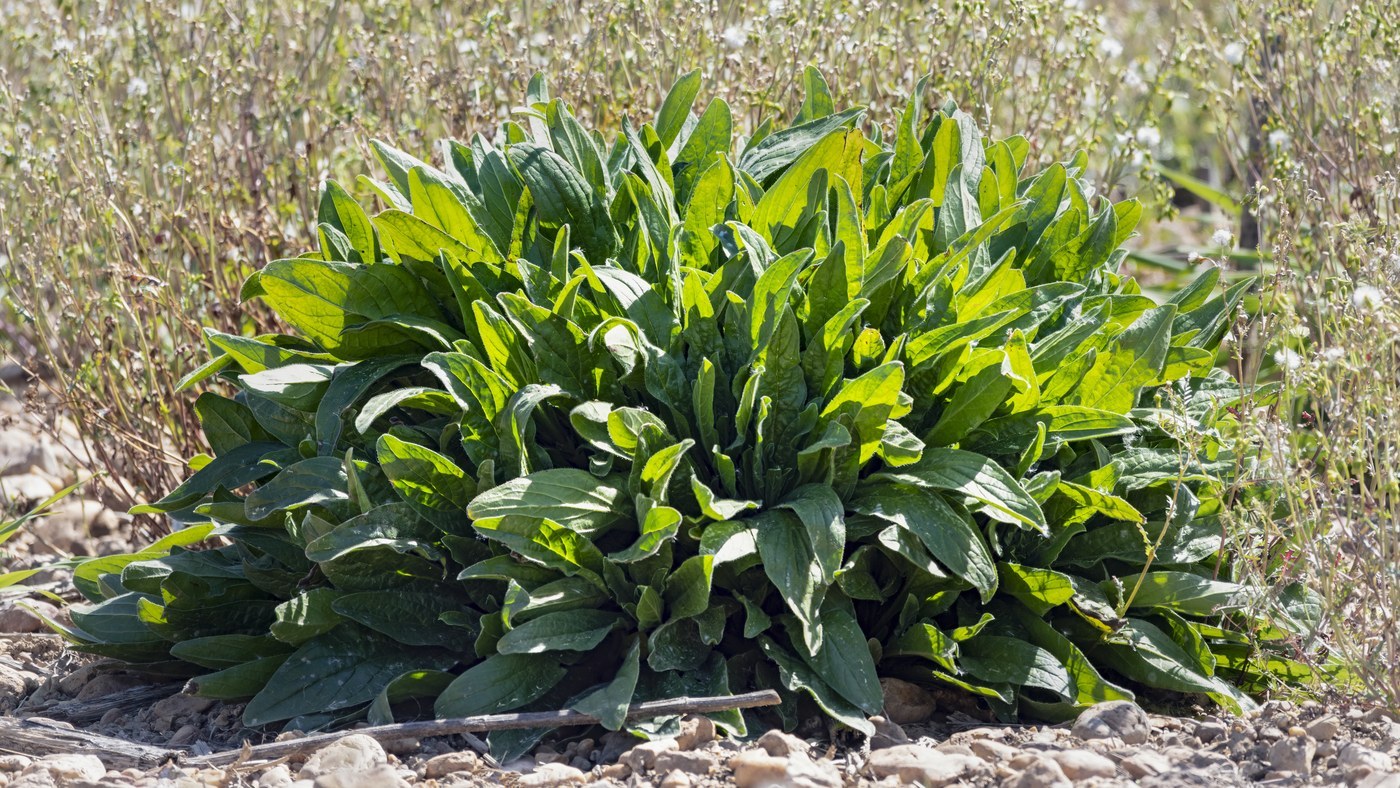
Sorrel (Rumex acetosa) is a hardy, clump-forming perennial grown ornamentally for its fresh green, arrow- or shield-shaped leaves and its neat, low-maintenance mound of foliage. It is one of the easiest perennials to establish, tolerating a wide range of conditions and returning reliably each spring.
Light
Sorrel grows well in full sun to partial shade. Full sun produces the most compact, upright clumps, while a little afternoon shade in hot climates keeps the foliage lush and green and slows the plant from bolting to seed. In deep shade it becomes thin and leggy, so aim for at least a half day of light.
Water
Keep the soil evenly moist for the best, freshest-looking foliage; Sorrel's leaves stay tender and vibrant when the plant is never allowed to dry out completely. It has deep taproots that give it some resilience, but under drought stress the foliage turns tough and the plant rushes to flower. Water regularly during dry weather and mulch to conserve soil moisture.
Soil & Potting
Sorrel is adaptable but performs best in a rich, moisture-retentive loam with a slightly acidic to neutral pH. Improve the bed with compost before planting. It handles heavier soils that stay moist better than most herbs. In containers, use a large pot with a fertile, water-retentive potting mix, as the deep root system dislikes cramped, quick-drying conditions.
Humidity & Temperature
A cool-climate perennial, Sorrel is very cold-hardy and thrives in mild, temperate conditions. It grows most actively in the cool of spring and autumn and may slow or look tired in high summer heat. Outdoor humidity is not a concern. Hard frosts kill the top growth back, but the crown survives underground and resprouts in spring.
Feeding
Sorrel is a light feeder. A generous helping of compost or a balanced general fertilizer in early spring supports vigorous leafy growth for the season. Avoid overfeeding with high-nitrogen products, which can produce soft, floppy foliage. A midseason side-dressing of compost helps container plants and heavily cut clumps keep pushing fresh leaves.
Propagation
Sorrel propagates easily by seed or division. Sow seed in spring, barely covered, in a moist seedbed; germination is quick and reliable. Established clumps can be lifted and divided in early spring or autumn, splitting the crown into sections each with roots and buds, then replanting. Division every few years also rejuvenates older, congested plants.
Repotting / Pruning
Divide and refresh clumps every two to three years to keep them vigorous. Repot container specimens each spring into fresh mix. The key pruning task is removing the tall flower stalks as they appear, which redirects energy into foliage and prevents heavy self-seeding. Cutting the whole clump back hard in midsummer prompts a flush of fresh, tender new leaves.
Common Problems & Pests
Sorrel is largely trouble-free. Aphids may gather on new growth and can be rinsed off or treated with insecticidal soap. Slugs and snails chew ragged holes in the tender leaves, especially in damp shade; use traps or barriers. Leaf-mining insects sometimes tunnel pale trails through the foliage; pick off and destroy affected leaves. Rust and leaf spot can appear in humid, crowded conditions, so thin clumps for airflow.
Seasonal Care Tips
Start or divide plants in early spring as growth resumes. Keep well watered through the growing season and remove flower stalks to prolong lush foliage. In hot climates provide afternoon shade and extra water during summer to prevent bolting. Cut clumps back in midsummer for a fresh flush. In autumn, top-dress with compost; the foliage dies down over winter and the hardy crown returns the following spring.
Frequently asked questions
Why does my Sorrel keep sending up tall stalks?
Those are flower stalks, and the plant bolts when stressed by heat or dryness. Remove them promptly to redirect energy into leaf production and keep the clump compact.
Is Sorrel a perennial?
Yes. It is a hardy perennial that dies back over winter and resprouts from its crown each spring, returning reliably for many years.
How do I keep the leaves looking fresh and green?
Keep the soil evenly moist, provide a little afternoon shade in hot regions, and cut the clump back in midsummer to trigger a flush of tender new foliage.
How often should I divide it?
Divide congested clumps every two to three years in early spring or autumn to rejuvenate the plant and maintain vigorous, healthy growth.