Sorrel
Rumex acetosa
Sorrel is a leafy perennial herb in the dock family, grown in herb and vegetable gardens for its bright green, arrow-shaped leaves. It grows from a deep taproot and is among the earliest greens to emerge in spring.
- Light
- Full sun to partial shade
- Water
- Keep soil evenly moist
- Difficulty
- Easy
Got a plant like this?
Identify any plant from a photo, free.
Overview
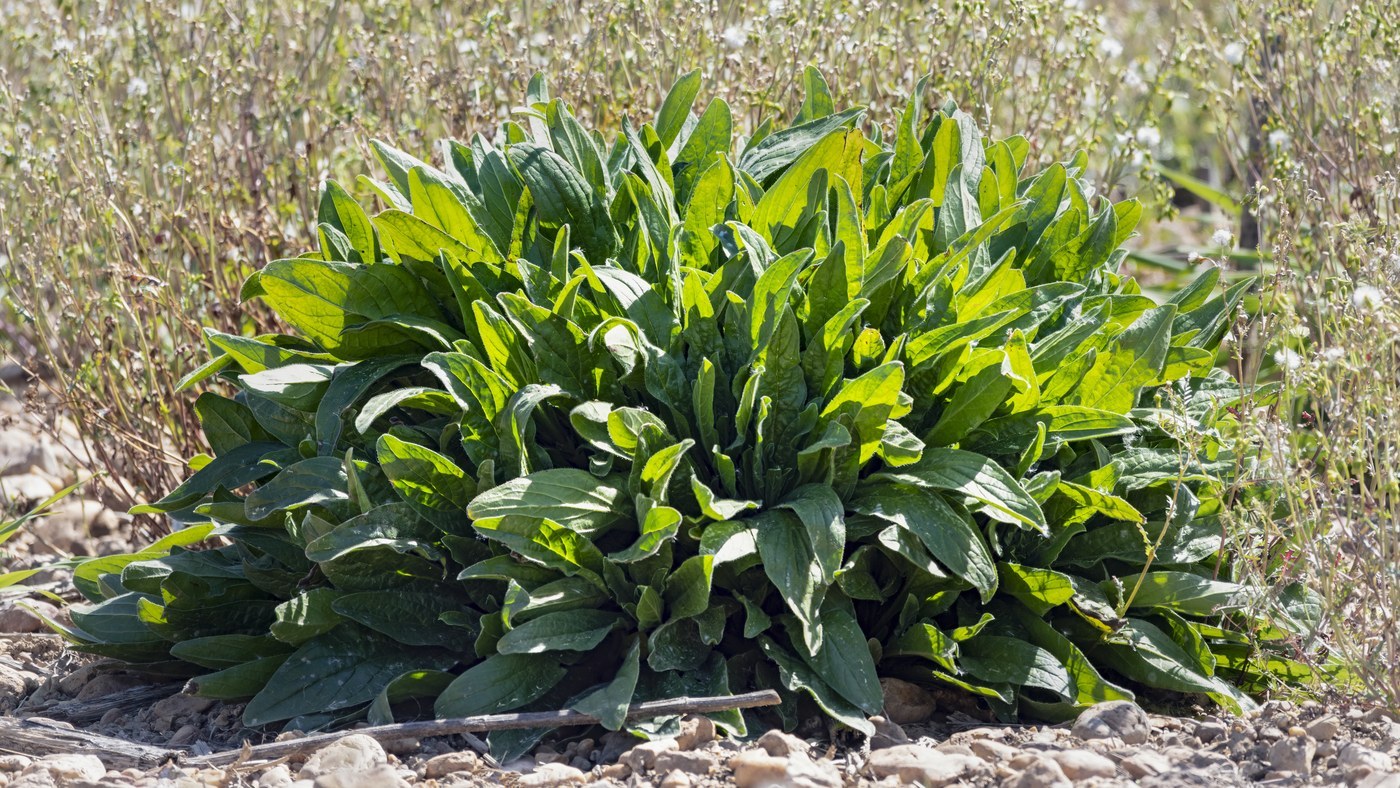
Sorrel is a hardy perennial herb in the dock family (Polygonaceae), an aromatic leafy plant cultivated in gardens for its distinctive arrow-shaped foliage held in a low basal rosette.
Easy to grow and among the first greens to appear in spring, sorrel has long been grown in European and Asian gardens. Common (garden) sorrel and the smaller French sorrel (Rumex scutatus) are the most cultivated forms.
How to identify it
- Arrow-shaped (sagittate) leaves with backward-pointing basal lobes, bright green and slightly fleshy
- Forms a leafy basal rosette, sending up flower stalks 60-100 cm (2-3 ft) tall
- Tiny reddish-green flowers that mature to rusty-red papery seeds
- Deep taproot
Care & growing
Sorrel is a forgiving, productive perennial.
- Light: Full sun to partial shade
- Water: Keep soil evenly moist for lush foliage
- Soil: Fertile, moisture-retentive soil; tolerates a range of types
- Temperature: Very cold-hardy; among the earliest greens to emerge in spring
- Feeding: Light feeding boosts leaf production
- Propagation: By seed or division; remove flower stalks to keep the plant compact and the foliage fresh
Habitat & origin
Common sorrel is native to grasslands across Europe and much of Asia and has naturalized in North America.
It grows wild in meadows, pastures, roadsides, and damp grassy places, preferring fertile, moist soils, and is widely cultivated in vegetable and herb gardens.
Frequently asked questions
What do sorrel leaves look like?
Sorrel has bright green, slightly fleshy, arrow-shaped (sagittate) leaves with backward-pointing basal lobes, arranged in a low basal rosette.
How tall does sorrel grow?
The leafy rosette stays low, but in summer it sends up slender flower stalks reaching about 60-100 cm (2-3 ft).
Where does sorrel grow naturally?
Common sorrel is native to grasslands across Europe and much of Asia and has naturalized in North America, growing in meadows, pastures, and damp grassy places.
What is the difference between garden and French sorrel?
Garden (common) sorrel has larger, arrow-shaped leaves, while French sorrel (Rumex scutatus) has smaller, shield-shaped leaves and a more compact habit.
Sorrel guides
In-depth guides for identifying, growing, and caring for Sorrel.
How to Care for Sorrel
Grow Sorrel (Rumex acetosa), an easy, hardy perennial with fresh green arrow-shaped leaves and a tidy clumping habit for ornamental beds.
Sorrel Identification Guide
How to identify common sorrel (Rumex acetosa) by its arrow-shaped leaves with backward-pointing lobes, sour taste, and reddish flower spikes.