
Sorrel Identification Guide
How to identify common sorrel (Rumex acetosa) by its arrow-shaped leaves with backward-pointing lobes, sour taste, and reddish flower spikes.
Read the full Sorrel encyclopedia entry →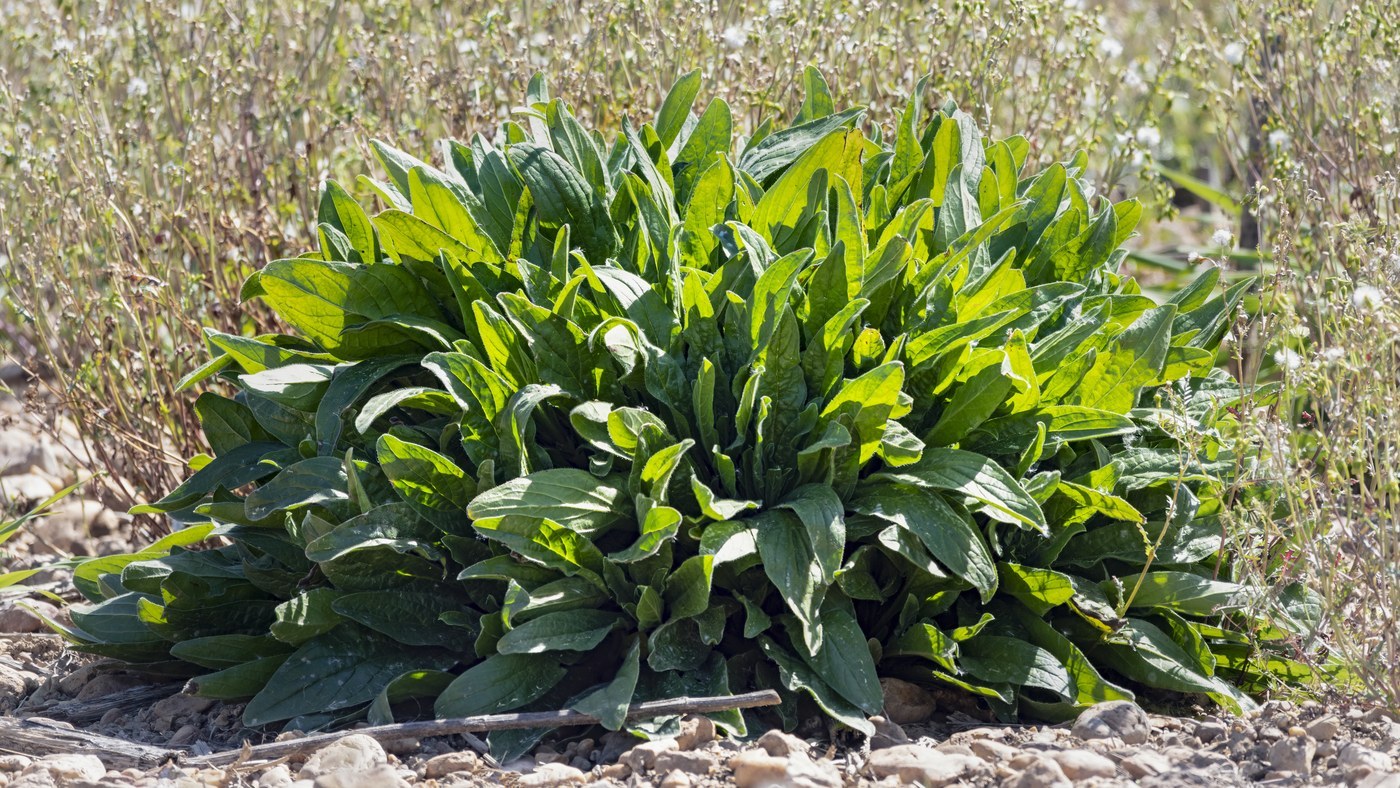
Key Identifying Features
Common sorrel (Rumex acetosa) is a leafy perennial of the dock family known for its tart, lemony leaves. Identify it by:
- Arrow- or spear-shaped (sagittate) leaves with two backward-pointing basal lobes.
- A distinctly sour, acidic taste (from oxalic acid).
- Tall, slender spikes of tiny reddish-green flowers.
- A papery sheath (ocrea) wrapping the stem at each node — a dock-family hallmark.
Leaves & Stems
The basal leaves are the giveaway: oblong to arrow-shaped, 5–15 cm long, bright green, with a pair of pointed lobes at the base that angle downward/backward, giving the classic spearhead outline. Upper stem leaves are smaller and may clasp the stem with arrow-shaped bases. A small membranous sheath (ocrea) wraps each node where the leaf meets the stem — typical of Rumex. Stems are erect, grooved, and reddish-tinged, reaching 30–100 cm. Crush or taste a leaf — the sharp sour flavor is highly diagnostic (use sparingly; high in oxalic acid).
Flowers & Fruit
From late spring through summer, sorrel sends up tall, branched, slender flower spikes of tiny flowers that are greenish flushing to reddish or crimson as they mature, giving whole fields a rusty-red haze. Rumex acetosa is largely dioecious (separate male/female plants). Female flowers develop into small three-winged fruits holding a single seed; the wings turn reddish-brown. The overall reddish seeding spike is a strong field clue.
How to Tell It Apart from Look-Alikes
- Sheep's sorrel (Rumex acetosella): similar sour taste, but smaller, with leaves whose basal lobes point outward/sideways (like a halberd) rather than straight back, and it grows in poorer, acidic soils.
- Broad-leaved dock (Rumex obtusifolius): much larger leaves without the backward basal lobes and not sour.
- Arrowhead / wild arum: arrow-shaped leaves too, but they are not sour and grow in water or have very different flowers.
- The combination of arrow leaves with backward lobes + sour taste + reddish flower spike confirms common sorrel.
Where You'll Find It
Common sorrel grows in grassland, meadows, roadsides, pastures, and damp open ground, favoring moist, fertile, slightly acidic soils. It is widespread across Europe, Asia, and naturalized in North America, and is also cultivated as a salad and soup herb.
Quick ID Checklist
- Arrow-shaped leaves with backward-pointing basal lobes
- Sharp sour, lemony taste
- Membranous sheath (ocrea) at stem nodes
- Tall slender spikes of tiny reddish-green flowers
- Reddish three-winged fruits on female plants
Arrow leaves with backward lobes plus a sour taste confirm sorrel.
Frequently asked questions
How do I confirm a plant is sorrel?
Look for arrow-shaped leaves with two basal lobes pointing backward, then taste a tiny bit of leaf: a sharp, lemony-sour flavor confirms sorrel. The reddish flower spikes and node sheaths support the ID.
What's the difference between common sorrel and sheep's sorrel?
Common sorrel (Rumex acetosa) is larger with basal lobes pointing straight back, while sheep's sorrel (R. acetosella) is smaller with lobes that flare outward like a halberd and grows on poor, acidic soils.
Why does sorrel taste sour?
Its leaves contain oxalic acid, which gives the tart, lemony flavor. Because of the oxalic acid, sorrel should be eaten only in moderation.
How do I tell sorrel from broad-leaved dock?
Dock has much larger leaves without the backward-pointing basal lobes, and the leaves are not sour. Sorrel's spear-shaped, tangy leaves are the clear difference.