
How to Care for Southern Live Oak
Grow the majestic Southern Live Oak (Quercus virginiana), a sprawling evergreen shade tree that is drought tolerant once established.
Read the full Southern Live Oak encyclopedia entry →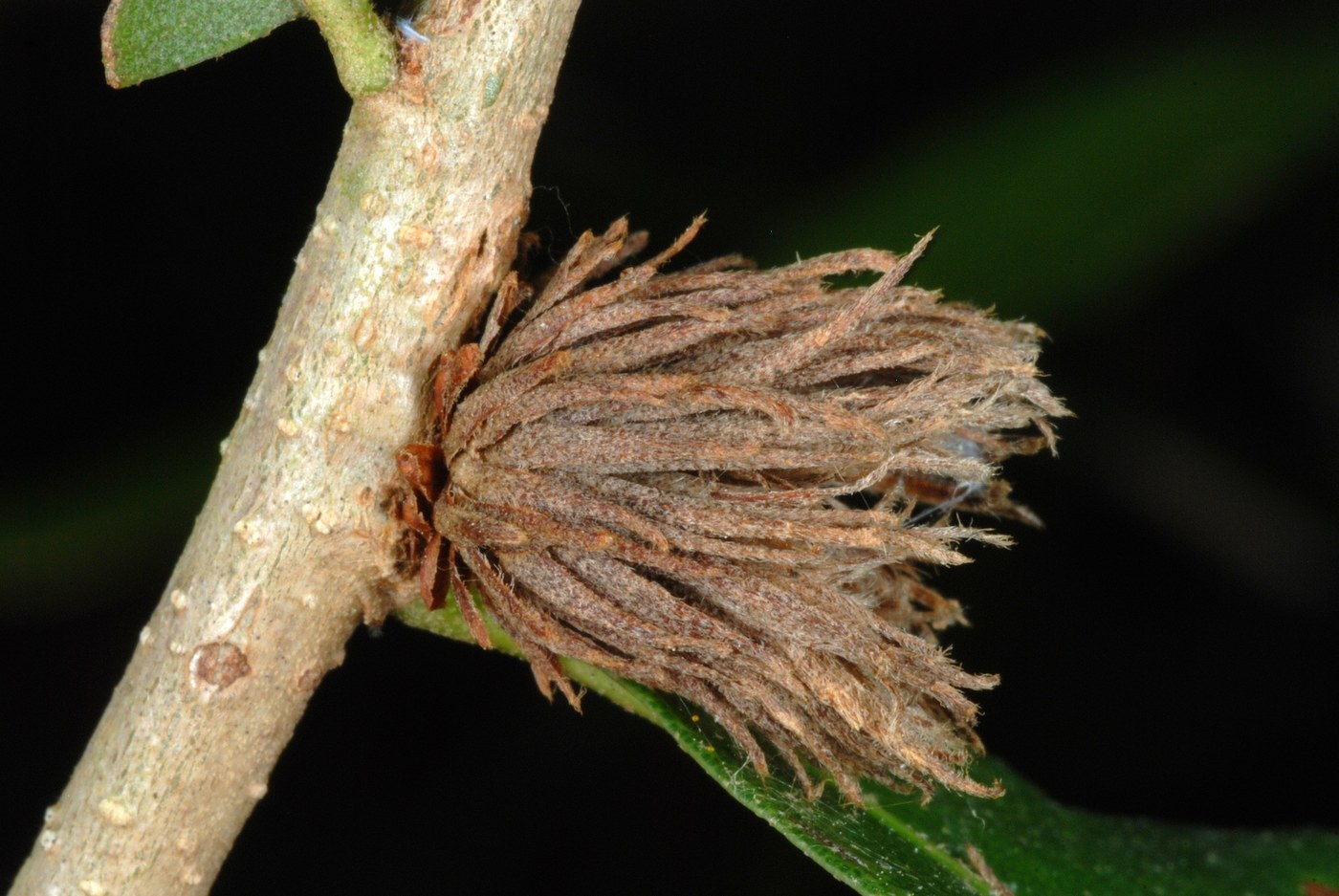
The Southern Live Oak (Quercus virginiana) is a majestic, wide-spreading evergreen oak famous for its massive horizontal limbs and broad, shady canopy, often draped in Spanish moss in its native range. Long-lived and resilient, it is an iconic landscape and street tree for warm climates.
Light
Southern Live Oak needs full sun to develop its strong, broad structure and dense canopy. Plant it in an open location with plenty of overhead and lateral room, as mature trees spread far wider than they are tall. Ample sun promotes vigorous, well-formed growth.
Water
Water young trees regularly to establish deep, healthy roots during the first two to three years. Once established, the Southern Live Oak is highly drought tolerant and needs little supplemental water, relying on deep roots to find moisture. Avoid keeping the root zone constantly wet.
Soil & Potting
This oak adapts to a wide range of soils, including sandy, clay, and even occasionally wet or salty coastal ground. It prefers well-drained soil but is remarkably tolerant of varied conditions, which contributes to its reputation as a tough, low-maintenance tree.
Humidity & Temperature
Southern Live Oak is a warm-climate tree that thrives in humid, subtropical conditions and tolerates coastal salt spray and wind. It is not reliably cold hardy in areas with hard freezes, so it is best suited to mild-winter regions. Heat and humidity pose no problem.
Feeding
Mature Southern Live Oaks in reasonable soil rarely need fertilizing. For young trees, a light application of a balanced fertilizer in early spring can support establishment, but avoid overfeeding. Maintaining a wide mulch ring and healthy soil is usually all that is needed.
Propagation
The species is propagated from acorns, which should be sown fresh in fall as they lose viability quickly if allowed to dry out. Seedlings grow steadily; the tree is not typically propagated from cuttings on any large scale.
Repotting / Pruning
Prune young trees in the dormant season to establish strong scaffold branches and good structure, removing crossing or weak limbs. Because live oaks develop heavy horizontal branches, structural pruning early in life prevents future problems. Mature trees need only occasional removal of dead or damaged wood.
Common Problems & Pests
Southern Live Oak is generally tough and pest resistant. Occasional issues include galls formed by wasps, oak leaf blister, and various borers or scale, most of which are cosmetic on a healthy tree. Root or trunk decay can follow injury or poor drainage. Avoid soil compaction and mechanical damage around the trunk and roots.
Seasonal Care Tips
Plant in fall or spring in a spacious, sunny site. Water deeply and regularly during the establishment years, then taper off as the tree matures. Prune for structure while young during dormancy, maintain a broad mulch ring, and protect the trunk and root zone from construction or mowing damage.
Frequently asked questions
How much space does a Southern Live Oak need?
A great deal. Mature trees spread far wider than they are tall, with massive horizontal limbs, so plant them in a large open area away from structures and power lines.
Is the Southern Live Oak drought tolerant?
Yes, once established. Water young trees regularly for the first two to three years to build deep roots; after that they need little supplemental water.
When should I prune a Southern Live Oak?
Prune in the dormant season, focusing on young trees to establish strong scaffold branches and good structure. Mature trees need only occasional removal of dead or damaged wood.
How is Southern Live Oak propagated?
From fresh acorns sown in fall. Acorns lose viability quickly if they dry out, so plant them promptly for best germination.