
How to Care for Spanish Fir
Grow Spanish Fir (Abies pinsapo), a drought-tolerant evergreen conifer, in full sun and sharply drained soil, avoiding waterlogged ground.
Read the full Spanish Fir encyclopedia entry →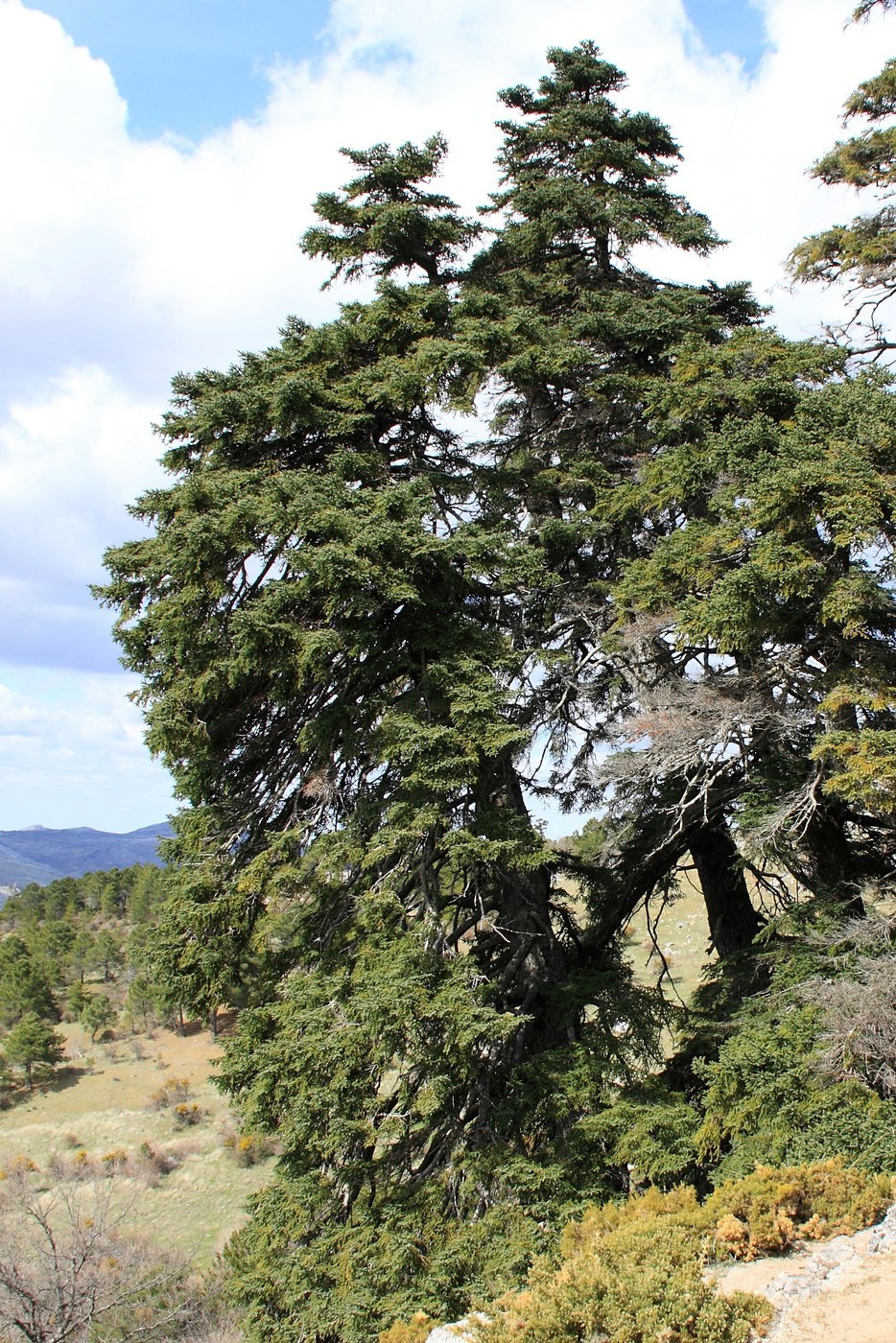
Spanish Fir (Abies pinsapo) is a handsome, slow-growing evergreen conifer distinguished by its stiff, radially arranged blue-green needles that spiral all around the shoots. Native to sun-baked Mediterranean mountains, it is unusually drought-tolerant for a fir and makes a striking, architectural specimen tree.
Light
Plant Spanish fir in full sun for the densest, most symmetrical growth and the best needle color. It relishes bright, open exposure and tolerates the heat and glare of Mediterranean-type climates better than most firs. While young trees accept a little light shade, mature specimens grown in full sun develop the strongest structure.
Water
Once established, Spanish fir is notably drought-tolerant and prefers to be kept on the drier side; the key rule is to avoid waterlogging, which it will not tolerate. Water young trees regularly through their first few seasons to establish deep roots, then taper off. Mature trees need supplemental water only during prolonged drought. Soggy, poorly drained soil is the fastest way to lose this tree to root rot.
Soil & Potting
Sharp drainage is essential. Unlike many firs, Spanish fir tolerates alkaline and even chalky, limestone soils, reflecting its native rocky mountain habitat. It grows in a range of soils as long as they drain freely; heavy, wet clay is its enemy. Improve dense soils with grit before planting and avoid low spots where water collects.
Humidity & Temperature
This species is adapted to hot, dry Mediterranean summers and cold mountain winters, making it more heat- and drought-hardy than typical firs. It tolerates dry air well and does not need high humidity. It is reliably cold-hardy in temperate zones but appreciates protection from harsh, drying winter winds when young.
Feeding
Spanish fir is a slow grower with modest nutrient needs. A light application of a balanced or conifer-specific slow-release fertilizer in early spring supports young trees, but mature specimens in reasonable soil rarely need feeding. Avoid heavy nitrogen, which forces soft growth at the expense of the tree's naturally dense, sturdy habit.
Propagation
Spanish fir is grown chiefly from seed. Collect seed from ripe cones and give it cold, moist stratification over winter to break dormancy, then sow in spring in a gritty, free-draining seed mix and keep lightly moist. Germination is slow and often uneven. Named cultivars, such as the popular blue and weeping forms, are grafted onto seedling rootstock rather than grown from cuttings.
Repotting / Pruning
Spanish fir needs very little pruning; simply remove dead, damaged, or crossing branches to maintain its naturally handsome pyramidal shape. Avoid cutting into old bare wood, which does not resprout. Young container-grown trees can be potted up in spring into deep, free-draining pots, but the species ultimately prefers to be planted out in the ground.
Common Problems & Pests
Root rot from waterlogged soil is the single greatest threat, so drainage is paramount. Adelgids and aphids can occasionally infest the needles and shoots, leaving woolly or sticky residue, and can be treated as needed. Needle cast fungi may appear in overly damp, stagnant conditions. Overall, in a sunny, well-drained site this is a tough and trouble-free tree.
Seasonal Care Tips
Plant in spring or fall to let roots establish before summer heat or winter cold. Water young trees through their first summers, then rely on rainfall for established specimens. Mulch to conserve moisture and suppress weeds, keeping mulch off the trunk. Shelter young trees from cold, desiccating winds in their first winters, and enjoy the steady, low-maintenance evergreen presence year-round.
Frequently asked questions
How much water does a Spanish fir need?
Water young trees regularly for the first few seasons to establish them. Once established, Spanish fir is drought-tolerant and prefers drier conditions. The main rule is to avoid waterlogged soil, which causes root rot.
Can Spanish fir grow in chalky or alkaline soil?
Yes. Unlike many firs, Spanish fir tolerates alkaline and chalky, limestone soils, reflecting its native rocky mountain home. The critical requirement is that the soil drains freely.
Does Spanish fir need full sun?
It grows best in full sun, which produces the densest, most symmetrical form and the strongest blue-green needle color. It handles Mediterranean heat and glare better than most other firs.
Why is my Spanish fir declining despite regular watering?
Overwatering and poor drainage are common causes of decline, leading to root rot. Spanish fir prefers drier, sharply drained soil, so ease off watering and ensure the site is not holding water.