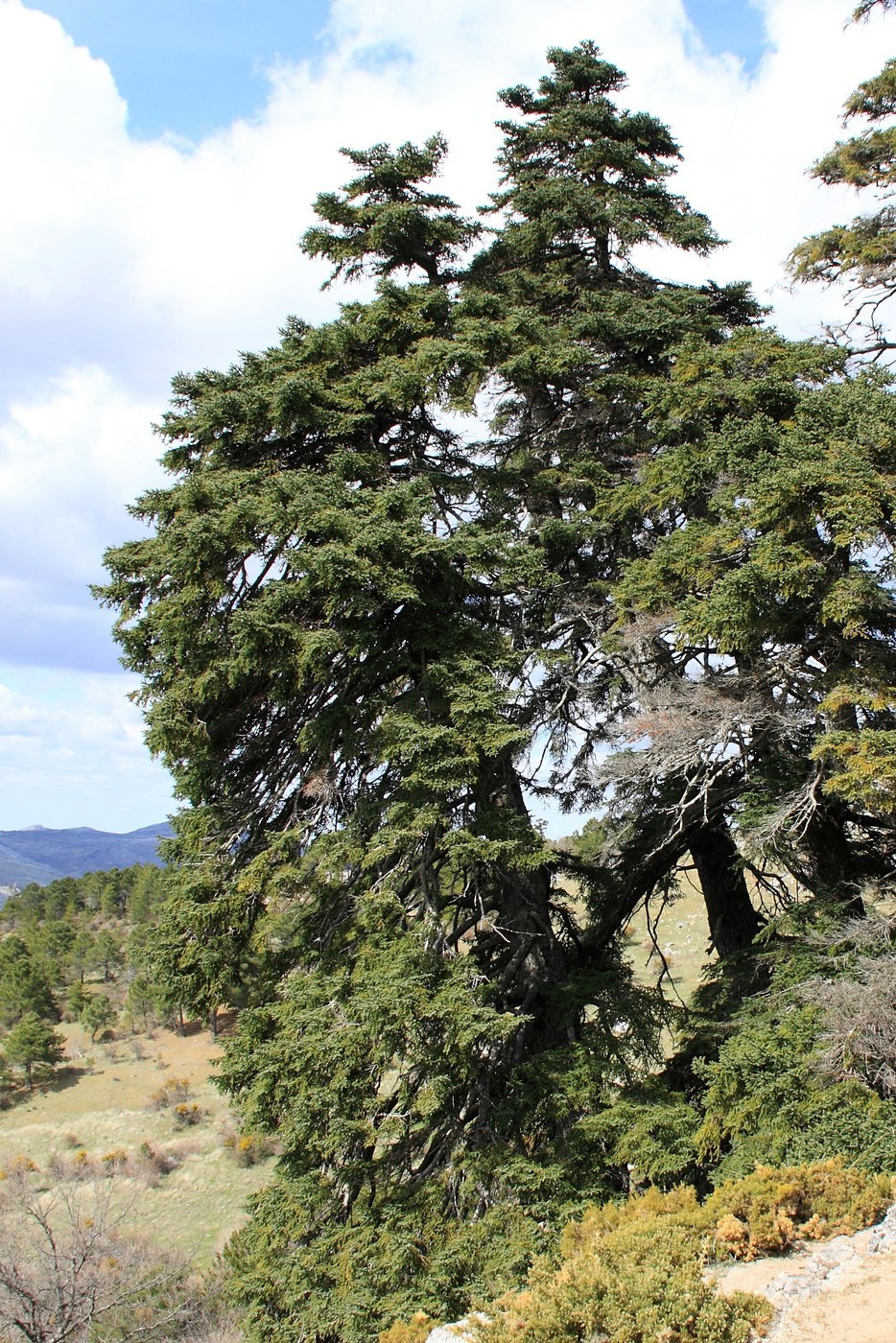
Spanish Fir
Abies pinsapo
Spanish Fir is a rare Mediterranean conifer from the mountains of southern Spain, prized for its dense, radially arranged blue-green needles that give branches a bottlebrush look. It is one of the few firs adapted to hot, dry summers.
- Light
- Full sun
- Water
- Drought-tolerant once established; avoid waterlogging
- Difficulty
- Moderate
Got a plant like this?
Identify any plant from a photo, free.
Overview
Spanish Fir (Abies pinsapo) is a relict species native to a few mountain ranges in Andalusia, southern Spain, with a closely related variety in Morocco. It is one of the most heat- and drought-tolerant true firs, a legacy of surviving the Mediterranean climate since the last Ice Age.
In cultivation it is grown as a striking specimen tree for its stiff, all-around needle arrangement and conical form. The popular blue cultivar 'Glauca' is especially sought after for its silvery foliage.
How to identify it
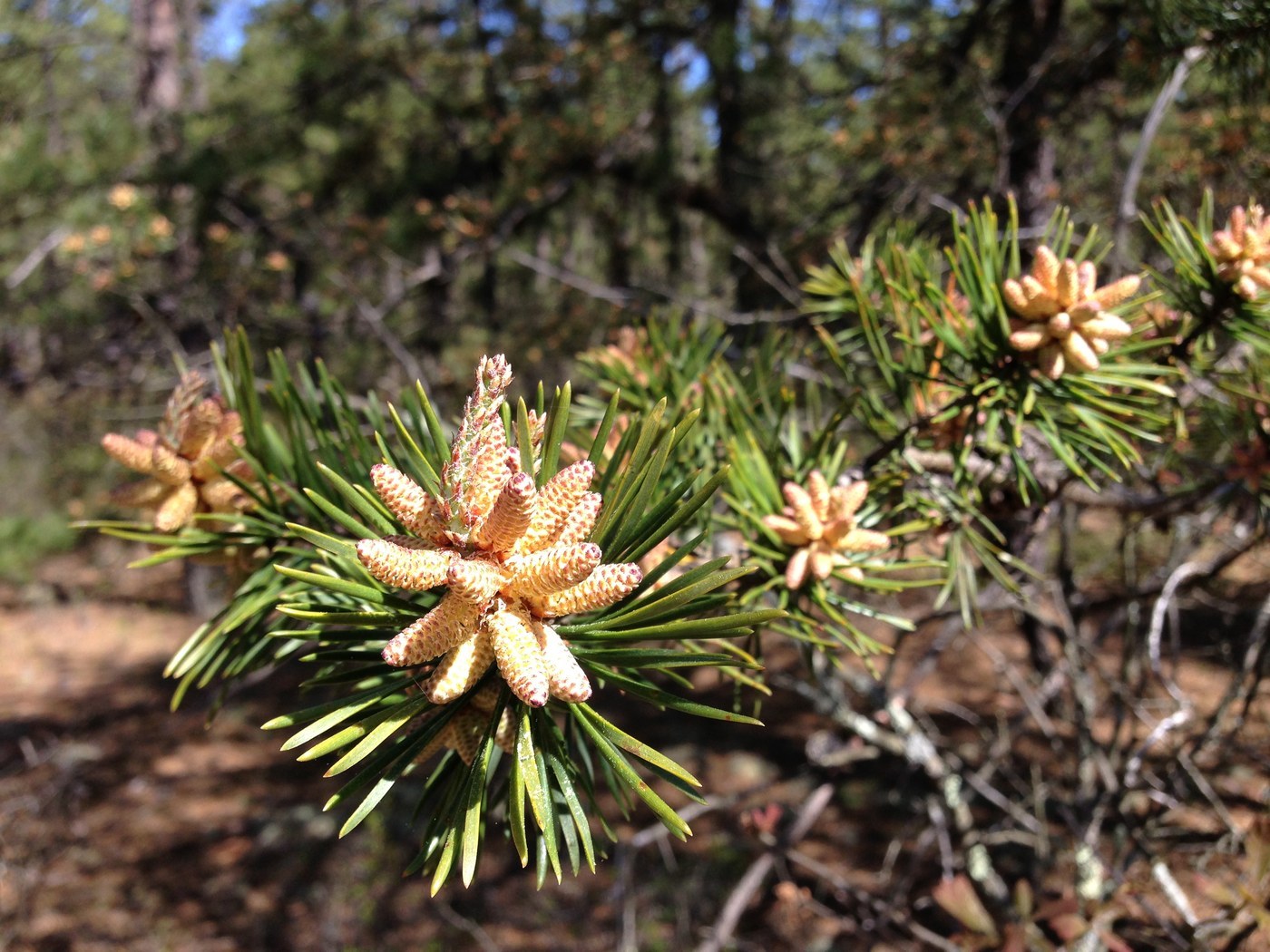
- Needles: Short (1-2 cm), stiff and rigid, arranged radially all around the shoot like a bottlebrush, blue-green to grey-green
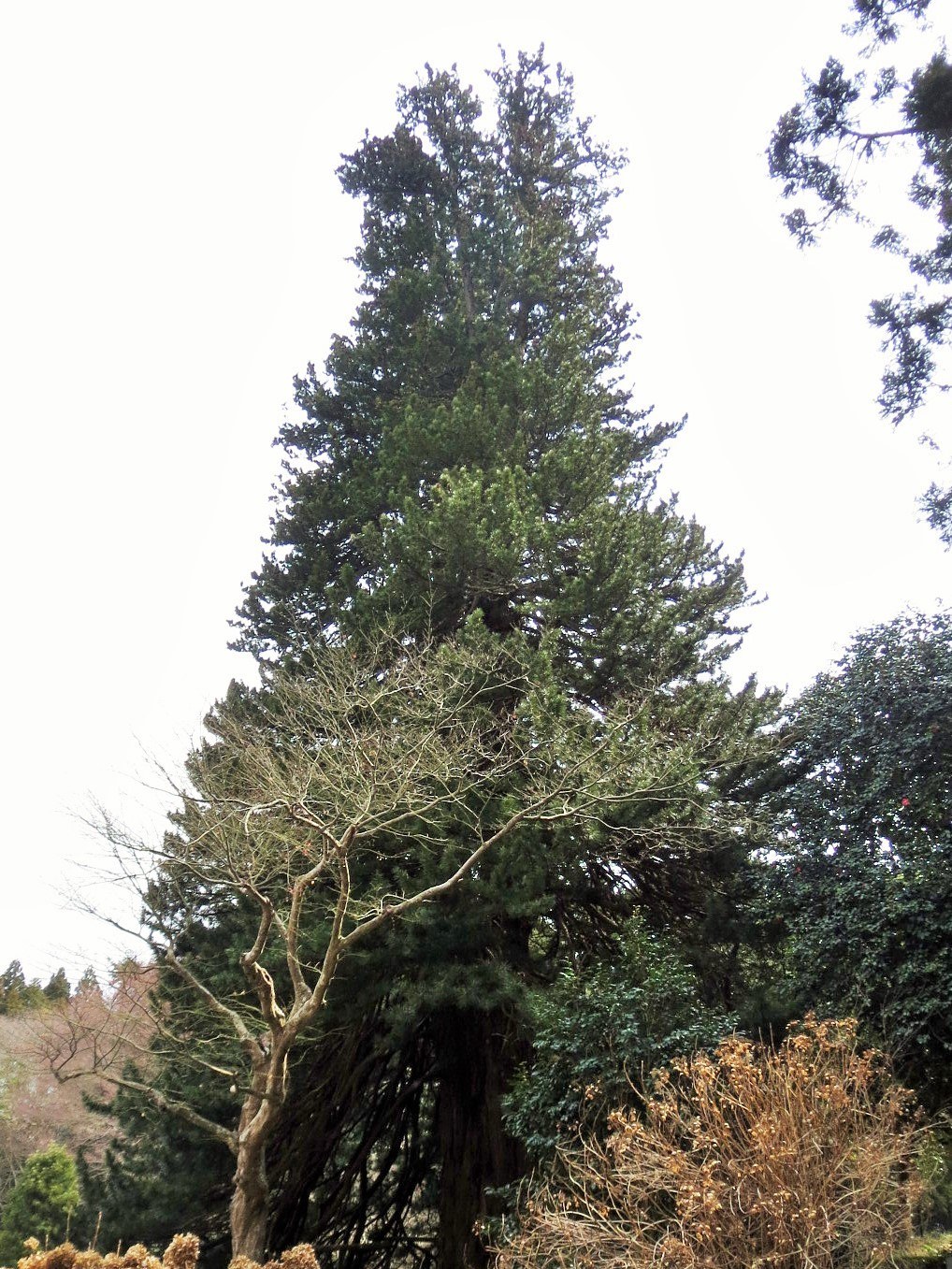
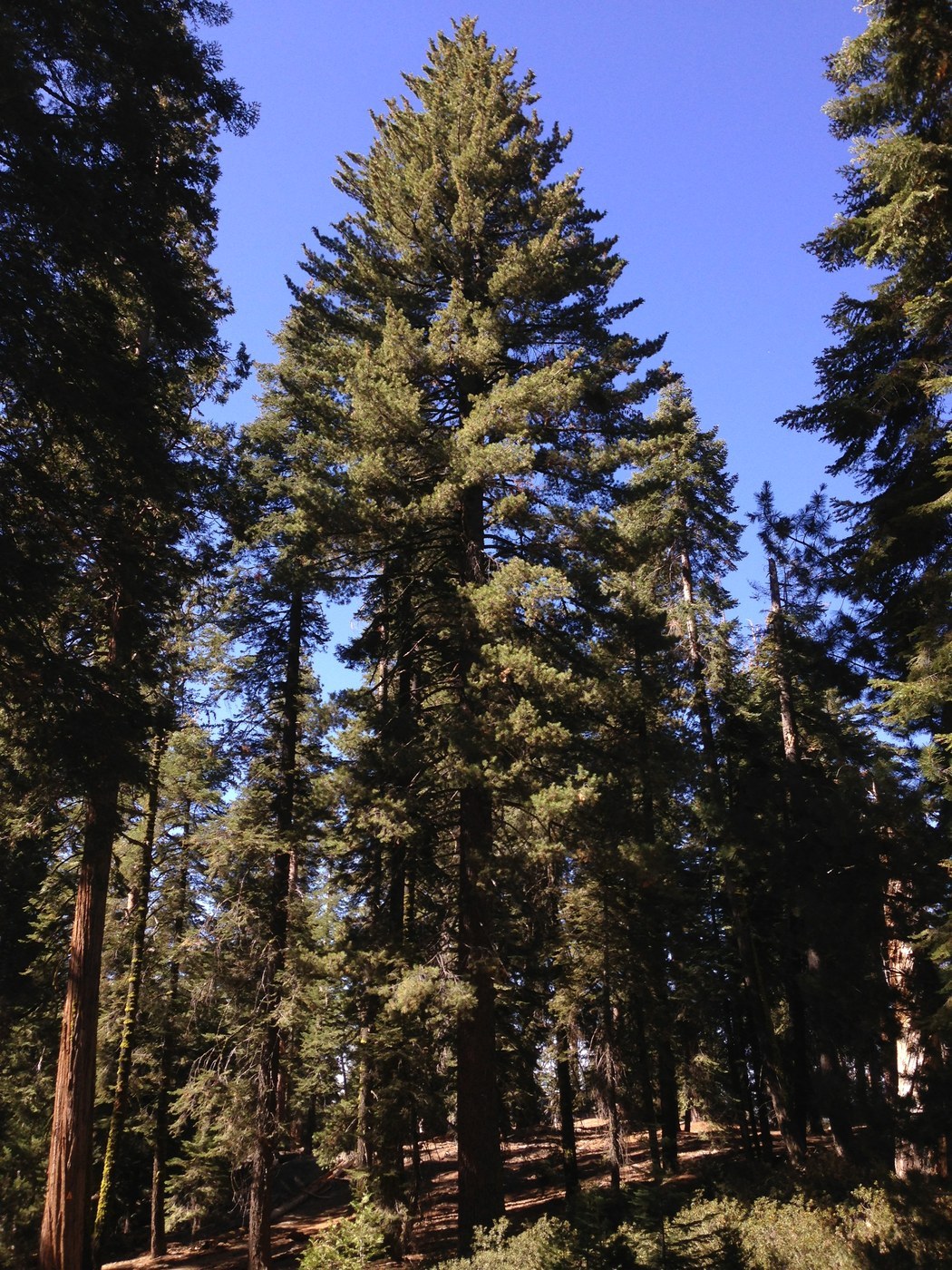
- Habit: Conical when young, becoming broad and irregular with age; reaches 20-30 m
- Cones: Upright cylindrical cones 9-18 cm long, greenish-brown, disintegrating on the tree like all true firs
- Bark: Smooth grey, becoming fissured with age
- The radial, hedgehog-like needle arrangement distinguishes it from most other firs, which comb their needles to the sides
Care & growing
Light: Full sun for best form and density.
Water: Tolerates summer drought once established; water young trees through dry spells but avoid waterlogged soil.
Soil: Prefers well-drained soil and uniquely among firs tolerates limestone/alkaline ground.
Temperature: Hardy to roughly USDA zone 6; copes with Mediterranean heat better than most firs.
Feeding: Rarely needed; a light spring mulch is sufficient.
Propagation: Grown from seed; named cultivars are grafted.
Habitat & origin
Native to the limestone and dolomite mountains of the Serranía de Ronda and nearby ranges in Málaga and Cádiz provinces of southern Spain, typically at 900-1,800 m elevation. The Moroccan variety (var. marocana) grows in the Rif Mountains.
It forms relict forests in a region with hot, dry summers, making it ecologically unusual among firs. It is now widely planted as an ornamental in parks and large gardens across temperate Europe and North America.
Frequently asked questions
Why is it called hedgehog fir?
The short, stiff needles radiate all the way around each shoot like the spines of a hedgehog, unlike most firs that part their needles to the sides.
Is Spanish Fir endangered?
The wild populations are limited and protected within Spanish nature reserves, but the species is widely cultivated and not at risk in gardens.
Can it grow in chalky soil?
Yes. Unusually for a true fir, it naturally grows on limestone and tolerates alkaline, well-drained soils.
How big does it get?
In cultivation it typically reaches 20-30 m tall, though garden specimens are often smaller and slow-growing.
Spanish Fir guides
In-depth guides for identifying, growing, and caring for Spanish Fir.
How to Care for Spanish Fir
Grow Spanish Fir (Abies pinsapo), a drought-tolerant evergreen conifer, in full sun and sharply drained soil, avoiding waterlogged ground.
Spanish Fir Identification Guide
How to identify Spanish fir (Abies pinsapo) by its stiff, radially arranged needles and dense, bottlebrush shoots. Covers needles, cones, bark, and comparison with other firs.