
How to Care for Spearmint
Grow lush, fragrant spearmint with easy care: bright light, steady moisture, and containment for its vigorous spreading roots.
Read the full Spearmint encyclopedia entry →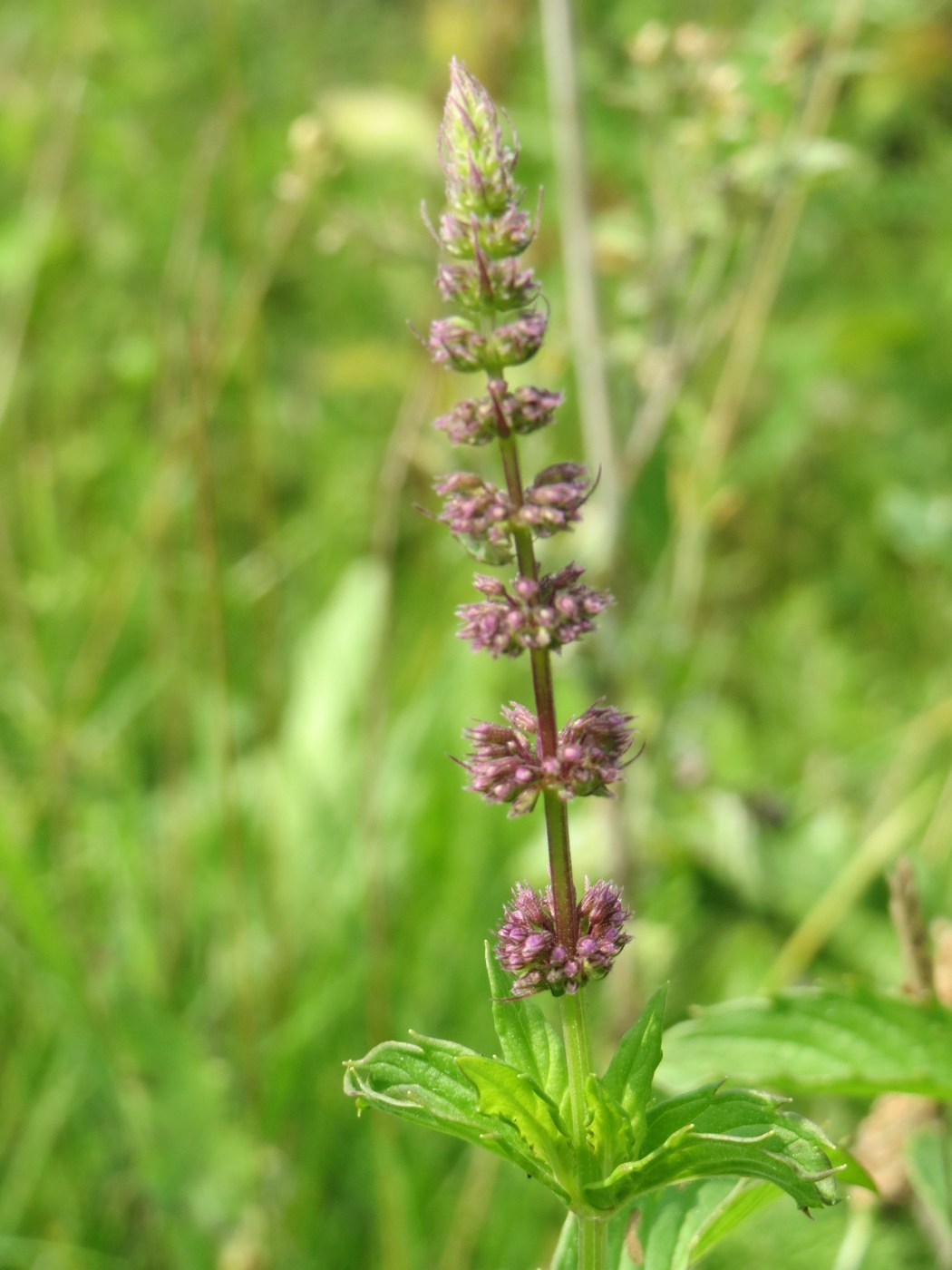
Spearmint (Mentha spicata) is a fast-spreading perennial prized for its crinkled bright-green foliage and refreshing aroma. It is one of the most forgiving plants you can grow, thriving in pots and beds alike, though its enthusiastic runners mean it needs a little management to stay tidy.
Light
Spearmint grows well in full sun to part shade. In hot climates it appreciates afternoon shade, which keeps the leaves large, tender, and deep green rather than scorched. Indoors, place it at a bright east- or south-facing window and rotate the pot weekly so growth stays even and doesn't lean.
Water
Keep the soil evenly moist at all times. Spearmint has shallow roots and wilts quickly when it dries out, though it rebounds fast once watered. Water whenever the top inch of soil begins to feel dry, and never let a potted plant sit bone dry. Avoid waterlogging, which invites root rot; aim for consistently damp but not soggy.
Soil & Potting
Use a rich, moisture-retentive potting mix with a bit of compost worked in. Spearmint tolerates a wide pH range but does best around 6.0 to 7.0. Because its underground runners (stolons) spread aggressively, grow it in a container even if you place that container in the garden; this keeps it from overtaking neighboring plants. Choose a wide, shallow pot with good drainage holes.
Humidity & Temperature
Spearmint is unfussy about humidity and handles ordinary indoor and outdoor conditions well. It prefers temperatures between 55 and 75 F. It is cold-hardy and dies back in winter in colder zones, returning from the roots in spring. Protect container plants from prolonged deep freezes by mulching or moving pots to a sheltered spot.
Feeding
Feed lightly. A balanced liquid fertilizer at half strength every four to six weeks during spring and summer keeps foliage lush. Too much nitrogen produces floppy, weak-flavored growth, so err on the side of restraint. In garden beds, a spring topdressing of compost is usually all it needs.
Propagation
Spearmint is extremely easy to propagate. Snip a healthy stem, remove the lower leaves, and root it in a glass of water within a week or two, then pot it up. You can also divide established clumps in spring, separating a section of rooted runner and replanting it. Runners that creep along the soil surface often root on their own where nodes touch damp ground.
Repotting / Pruning
Repot or divide potted spearmint every year or two, as it quickly fills its container and can become root-bound and woody. Pinch and trim frequently to encourage bushy, tender new growth and to prevent legginess. Cutting stems back by a third mid-season rejuvenates the plant. Remove flower buds as they appear if you want to keep the plant producing soft leafy growth.
Common Problems & Pests
Mint rust, which shows as orange pustules on leaf undersides, is the most common disease; remove and destroy affected foliage and improve airflow. Aphids, spider mites, and whiteflies can appear, especially indoors, and are controlled with a strong water spray or insecticidal soap. Powdery mildew and root rot both stem from poor airflow and soggy conditions, so space plants well and avoid overwatering.
Seasonal Care Tips
In spring, refresh the soil, divide crowded clumps, and resume feeding. Through summer, water consistently and harvest-prune often to keep growth vigorous. In autumn, reduce feeding as growth slows. In winter, outdoor plants go dormant and need little attention; indoor plants slow down, so cut back on water and hold off on fertilizer until light levels increase.
Frequently asked questions
Why is my spearmint taking over the garden?
Spearmint spreads by underground runners that travel far and fast. Grow it in a sunken or above-ground container to contain the roots, and trim runners that escape.
Can I grow spearmint indoors year-round?
Yes. Give it a bright window, keep the soil evenly moist, and trim it regularly. It may slow in winter, so reduce watering and pause feeding until spring.
Why are my spearmint leaves turning small and leggy?
This usually means too little light or an old, root-bound plant. Move it somewhere brighter, prune hard to force fresh growth, and divide or repot it.
How often should I water potted spearmint?
Check daily in warm weather and water whenever the top inch feels dry. Potted mint wilts fast when dry but recovers quickly once rehydrated.