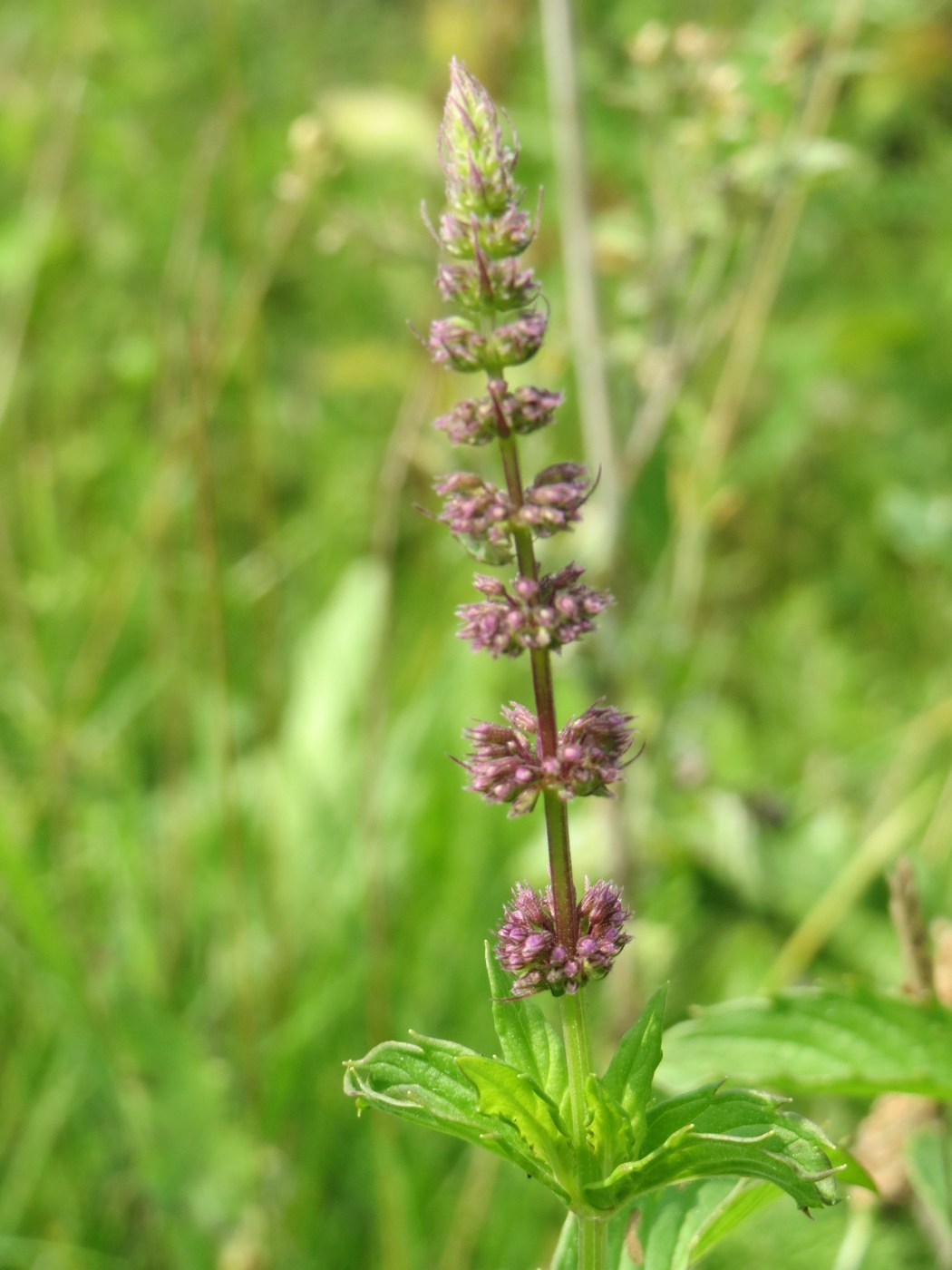
Spearmint
Mentha spicata
Spearmint is a fast-spreading, aromatic perennial herb grown in gardens. Vigorous and easy to grow, it is best contained in a pot to keep it from taking over the garden.
- Light
- Full sun to part shade
- Water
- Regular; keep evenly moist
- Difficulty
- Easy
Got a plant like this?
Identify any plant from a photo, free.
Overview
Spearmint is a hardy, aromatic perennial in the mint family (Lamiaceae), one of the most widely grown culinary herbs.
It spreads rapidly by underground and surface runners, forming dense leafy patches 30-90 cm tall. This vigor makes it easy to grow but potentially invasive, so it is usually best grown in containers or with root barriers.
How to identify it
- Leaves: Bright green, lance-shaped, sharply toothed, wrinkled and nearly stalkless, in opposite pairs
- Aroma: Fresh, classic 'mint' scent when crushed
- Stems: Square, typical of the mint family, often branching
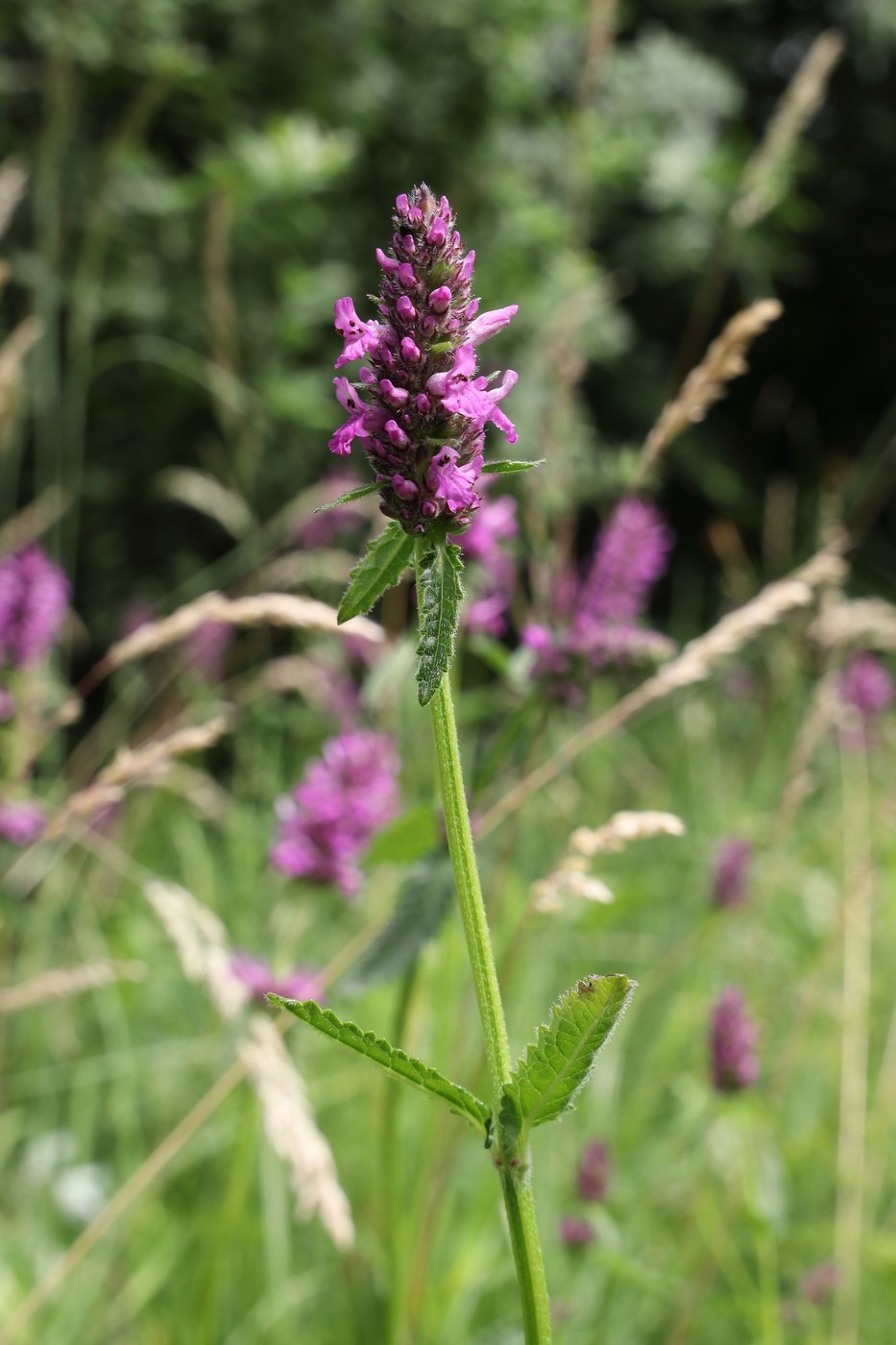
- Flowers: Small pinkish to white blooms in slender, pointed (spear-like) terminal spikes
- Habit: Spreading, with vigorous runners that root as they go
Care & growing
- Light: Full sun to partial shade
- Water: Regular; keep the soil evenly moist, as mint dislikes drying out
- Soil: Moist, rich, well-drained soil
- Temperature: Very hardy, roughly zones 3-11; dies back in winter and returns vigorously
- Feeding: Light feeding; usually unnecessary in decent soil
- Propagation: Extremely easy from runners, division, or cuttings — even a stem in water will root. Contain it in a pot to prevent spread
Habitat & origin
Spearmint is native to Europe and temperate Asia and has naturalized across much of the world, including North America, Africa and Australia. In the wild it favors damp ground, ditches, stream banks and moist meadows.
It is cultivated globally in herb gardens and commercially for its essential oil, and readily escapes cultivation to grow wild in moist disturbed soils.
Frequently asked questions
What is the difference between spearmint and peppermint?
They are different but related plants; peppermint is actually a hybrid of spearmint and watermint. Spearmint has wrinkled, nearly stalkless leaves and spear-like flower spikes.
Why is spearmint considered invasive?
It spreads aggressively by runners that root wherever they touch soil. Growing it in a container or with a deep root barrier keeps it under control.
Can I grow spearmint indoors?
Yes. Give it a bright windowsill and keep the soil moist. It also roots very easily from cuttings placed in water.
How do I keep spearmint bushy?
Pinch or trim stems just above a pair of leaves regularly; this encourages branching and keeps the plant compact and leafy.
Spearmint guides
In-depth guides for identifying, growing, and caring for Spearmint.
How to Care for Spearmint
Grow lush, fragrant spearmint with easy care: bright light, steady moisture, and containment for its vigorous spreading roots.
Spearmint Identification Guide
Identify spearmint by its bright green, nearly stalkless, sharply toothed wrinkled leaves, square stems, and pointed spikes of pale flowers, plus its sweet menthol-light scent.