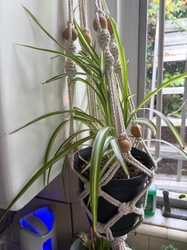
How to Care for Spider Plant
Spider Plant (Chlorophytum comosum): a forgiving houseplant with arching striped leaves and dangling plantlets, easy in bright indirect light.
Read the full Spider Plant encyclopedia entry →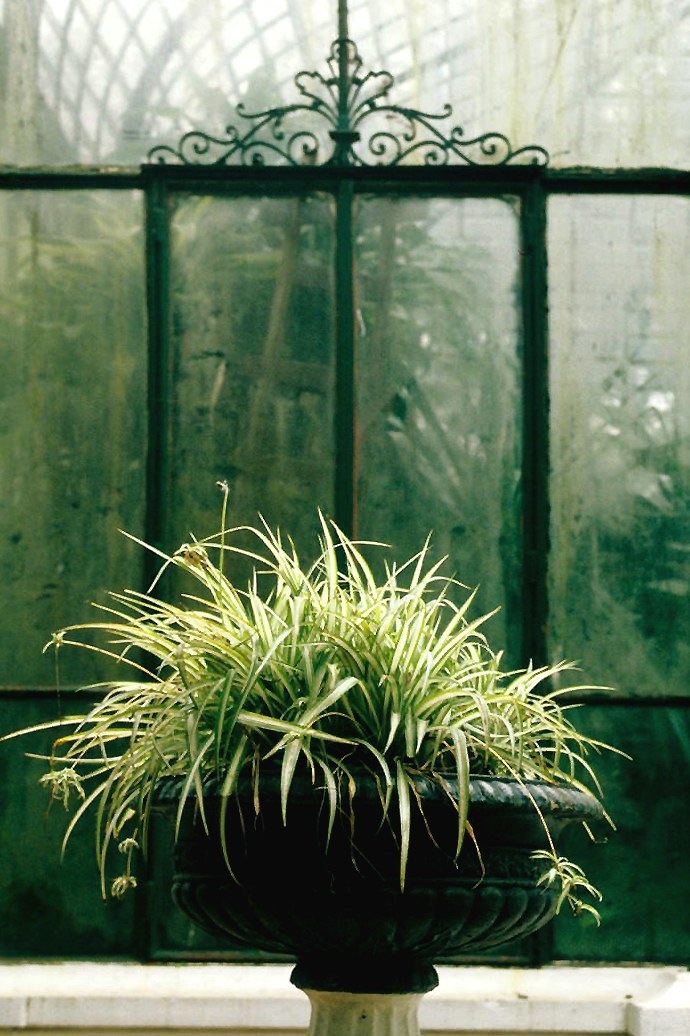
Spider Plant (Chlorophytum comosum) is one of the most forgiving and popular houseplants, prized for its arching, often striped grassy foliage and the cascading baby plantlets ("spiderettes") it sends out on wiry stems. It is nearly indestructible, making it a great choice for beginners and hanging displays alike.
Light
Give Spider Plant bright to medium indirect light for the best growth and boldest variegation. It tolerates lower light but grows more slowly and its stripes fade. Avoid harsh direct midday sun, which can scorch the leaf tips. An east or north-facing window, or a spot back from a bright window, is ideal.
Water
Water when the top inch of soil is dry, then water thoroughly and let excess drain. Spider Plants store water in fleshy roots and tolerate occasional missed waterings, but consistent moisture keeps foliage lush. They are sensitive to fluoride, chlorine, and salts in tap water, which can cause brown leaf tips; using filtered, distilled, or rainwater, or letting tap water sit out, helps. Do not let the pot sit in standing water.
Soil & Potting
Use a well-draining, all-purpose potting mix in a pot with drainage holes. The plant is not fussy about soil but appreciates loose, airy media that does not stay soggy. Its vigorous, tuberous roots fill a pot quickly, so choose a container that allows some room to grow.
Humidity & Temperature
Spider Plant adapts to average household humidity but greener, less brown-tipped foliage results from moderate to higher humidity. Ideal temperatures are roughly 60 to 80 degrees Fahrenheit. Protect it from cold drafts and keep it above about 50 degrees. It enjoys a summer outdoors in shade or dappled light.
Feeding
Feed lightly during the growing season, spring through early fall, with a balanced diluted houseplant fertilizer about once a month. Over-fertilizing contributes to brown leaf tips and can suppress the production of plantlets, so err on the side of less. Do not feed in winter when growth slows.
Propagation
Spider Plant is exceptionally easy to propagate. Snip a plantlet that has small nubby roots and either pot it directly in moist soil or root it in water first, then pot. You can also pin a still-attached plantlet onto a pot of soil until it roots, then sever it. Mature clumps can also be divided at repotting.
Repotting / Pruning
Repot every year or two, or when thick roots crowd the surface and push the plant upward. Move up one pot size in spring. Trim brown leaf tips with clean scissors following the leaf's natural shape, and remove any yellowed or damaged leaves at the base. You can also snip off excess plantlets to redirect energy into the parent.
Common Problems & Pests
Brown leaf tips are the most common complaint, typically from fluoride and salts in tap water, over-fertilizing, or inconsistent watering. Pale, washed-out variegation signals too little light; mushy bases and yellowing signal overwatering. Occasional pests include spider mites (in dry air), aphids, mealybugs, and scale; rinse foliage and treat with insecticidal soap as needed.
Seasonal Care Tips
In spring and summer, water and feed regularly and enjoy vigorous growth and abundant plantlets. In fall, taper feeding, and in winter reduce watering as growth slows and stop fertilizing. Keep the plant away from cold windowpanes and heating vents through winter, and refresh with repotting in spring.
Frequently asked questions
Why does my Spider Plant have brown leaf tips?
The most common causes are fluoride, chlorine, and salts in tap water, plus over-fertilizing or uneven watering. Try filtered, distilled, or rainwater, feed sparingly, and keep soil evenly moist but not soggy.
How do I grow the baby plantlets into new plants?
Snip a plantlet with small root nubs and pot it in moist soil, or root it in water first. You can also pin an attached plantlet onto soil until it roots, then cut it free.
Why isn't my Spider Plant making babies?
Plantlets tend to form on mature, slightly pot-bound plants with adequate light. Very young plants, low light, or excessive fertilizer can delay them, so be patient and give it bright indirect light.
Why has the variegation faded?
Faded stripes usually mean too little light. Move the plant to a brighter spot with bright indirect light to restore bold variegation, while avoiding harsh direct sun.
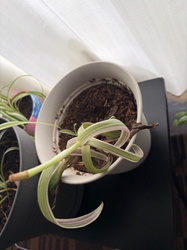
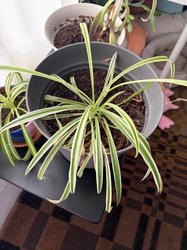
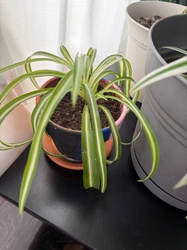
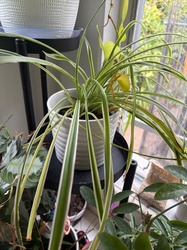
Spider Plant identified by the community
Recent Spider Plant specimens identified with Plant Identifier.