How to Care for St. John's Wort
Grow St. John's Wort for cheerful golden summer flowers; this tough, drought-tolerant plant thrives in sun with little fuss.
Read the full St. John's Wort encyclopedia entry →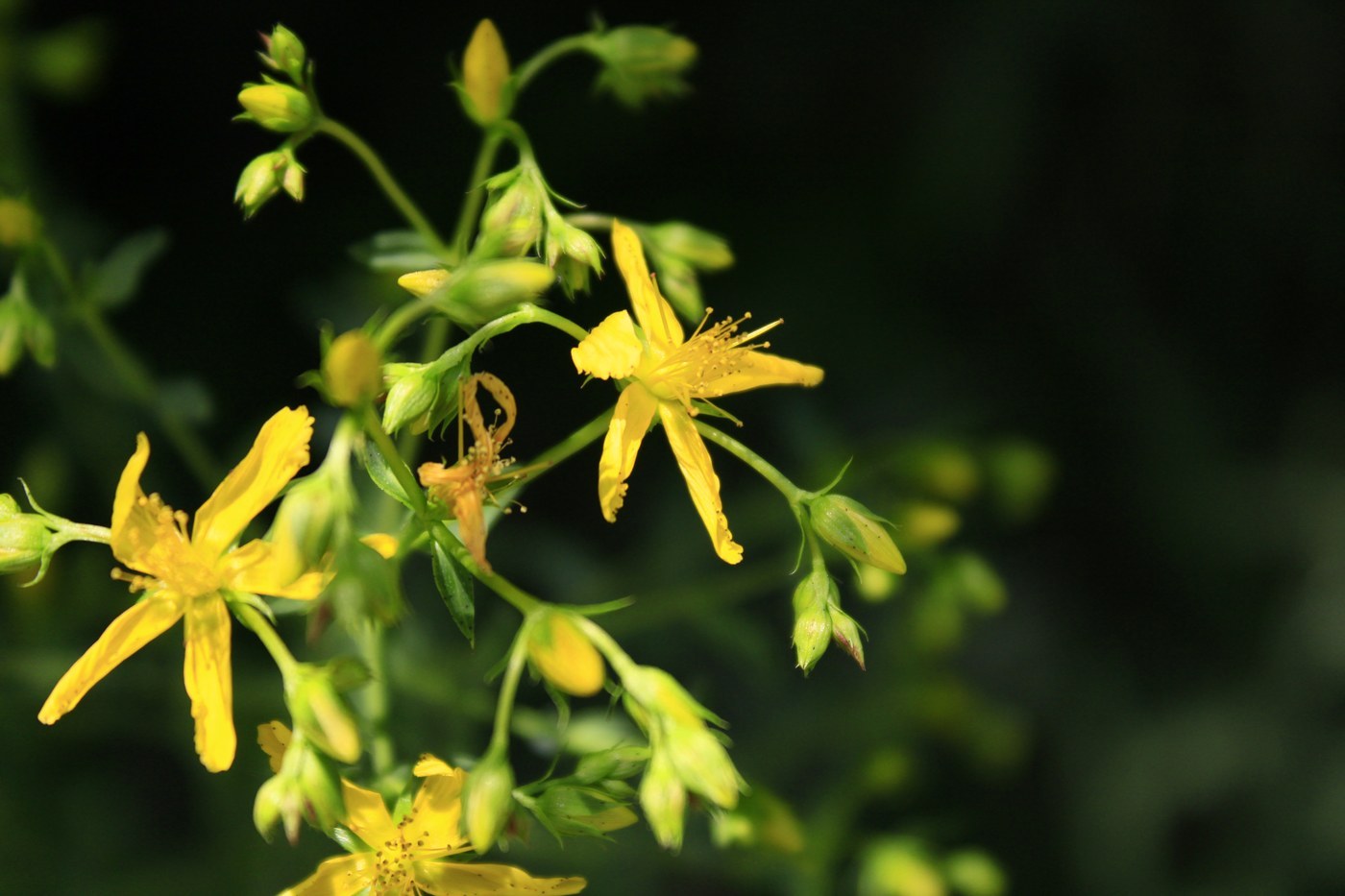
St. John's Wort (Hypericum perforatum) is a hardy, sun-loving flowering plant grown for its bright golden-yellow, star-shaped blooms with showy bushy stamens through summer. It is easy and vigorous, tolerating poor soils and drought once established, making it a low-maintenance choice for sunny borders and naturalized plantings.
Light
Give it full sun for the heaviest flowering and most compact, sturdy growth. At least six hours of direct light is ideal. It tolerates light shade but blooms less freely and grows more open there.
Water
Low to moderate water needs; St. John's Wort is drought-tolerant once its roots are established. Water regularly during the first season, then only during extended dry periods. Well-drained soil that dries between waterings suits it best, as soggy conditions invite rot.
Soil & Potting
Adaptable to a wide range of soils, including poor, sandy, gravelly, and rocky ground, provided drainage is good. A near-neutral to slightly alkaline pH is fine. Avoid rich, wet, heavy soils. In containers, use a gritty, free-draining mix and a pot with ample drainage holes.
Humidity & Temperature
Cold-hardy and heat-tolerant across a broad range of climates, it withstands wind, drought, and lean conditions. Humidity is not a concern. It dies back or thins in hard winters in colder zones and resprouts vigorously from the crown in spring.
Feeding
Minimal feeding is needed and often unnecessary in average soil. A light application of balanced fertilizer in early spring can boost bloom in very poor ground. Overfeeding produces lush foliage at the expense of flowers, so keep it lean.
Propagation
Propagate by seed, division, or softwood cuttings. Divide established clumps in spring or fall. Take cuttings in early summer, and root them in a gritty medium. It also self-seeds and can spread by underground rhizomes, so new plants establish readily.
Repotting / Pruning
Prune in late winter or early spring, cutting stems back hard to encourage bushy new growth and abundant flowering, since blooms form on new wood. Shear off spent flowers to tidy the plant. Divide or lift crowded, spreading clumps to keep it in bounds, as it can be vigorous.
Common Problems & Pests
Generally robust with few serious problems. Rust and other fungal leaf spots can appear in damp, crowded conditions, so ensure airflow and drainage. In some regions it spreads aggressively and is considered invasive or weedy, so check local guidance and manage its spread by deadheading and removing rhizomes.
Seasonal Care Tips
Spring: cut back old stems hard and divide crowded clumps. Summer: enjoy the long display of golden flowers with little care beyond occasional water in drought. Late summer: deadhead to tidy and limit self-seeding. Fall to winter: allow the plant to die back, and clear old growth before spring regrowth.
Frequently asked questions
When should I prune St. John's Wort?
Cut stems back hard in late winter or early spring. Because flowers form on new growth, a hard spring prune produces bushier plants and a heavier bloom through summer.
Why isn't it flowering well?
Sparse bloom usually means too much shade or overly rich soil. Move it to full sun, keep the soil lean and well-drained, and avoid heavy feeding for the best flower display.
Is it hard to grow?
No, it is one of the easiest flowering plants. It tolerates drought, poor soil, heat, and cold, and needs little more than sun, good drainage, and an annual prune.
Does it spread?
Yes, it can spread readily by self-seeding and underground rhizomes and is considered invasive in some areas. Deadhead spent flowers and remove wandering rhizomes to keep it contained, and check local guidance before planting.
St. John's Wort identified by the community
Recent St. John's Wort specimens identified with Plant Identifier.