St. John's Wort
Hypericum perforatum
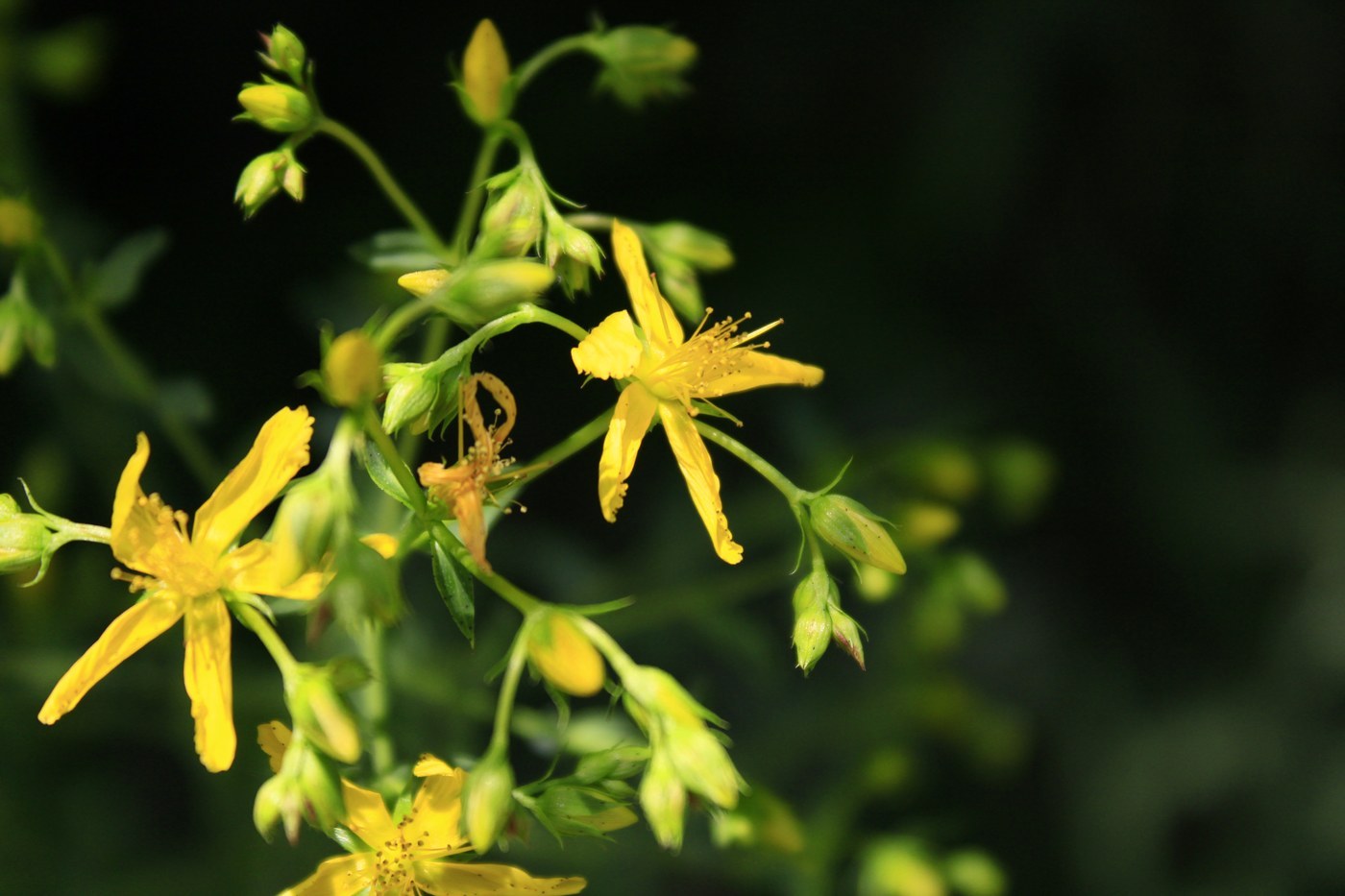
St. John's wort is a hardy yellow-flowered perennial with masses of five-petaled summer blooms. Tough and drought-tolerant, it is also a noxious weed in many grazing regions.
- Light
- Full sun
- Water
- Low to moderate; drought-tolerant
- Difficulty
- Easy
Got a plant like this?
Identify any plant from a photo, free.
Overview
St. John's wort is a hardy, upright perennial in the family Hypericaceae, producing masses of bright yellow, five-petaled flowers in summer.
The name refers to its traditional flowering around St. John's Day (24 June). The species epithet perforatum describes the translucent oil glands that dot the leaves, looking like tiny perforations when held to the light. It is a tough plant that has become an invasive weed of rangeland in parts of North America and Australia.
How to identify it
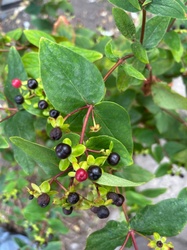
- Leaves: Small, oval, stalkless, opposite; held to the light they show translucent dots (oil glands), a key diagnostic feature
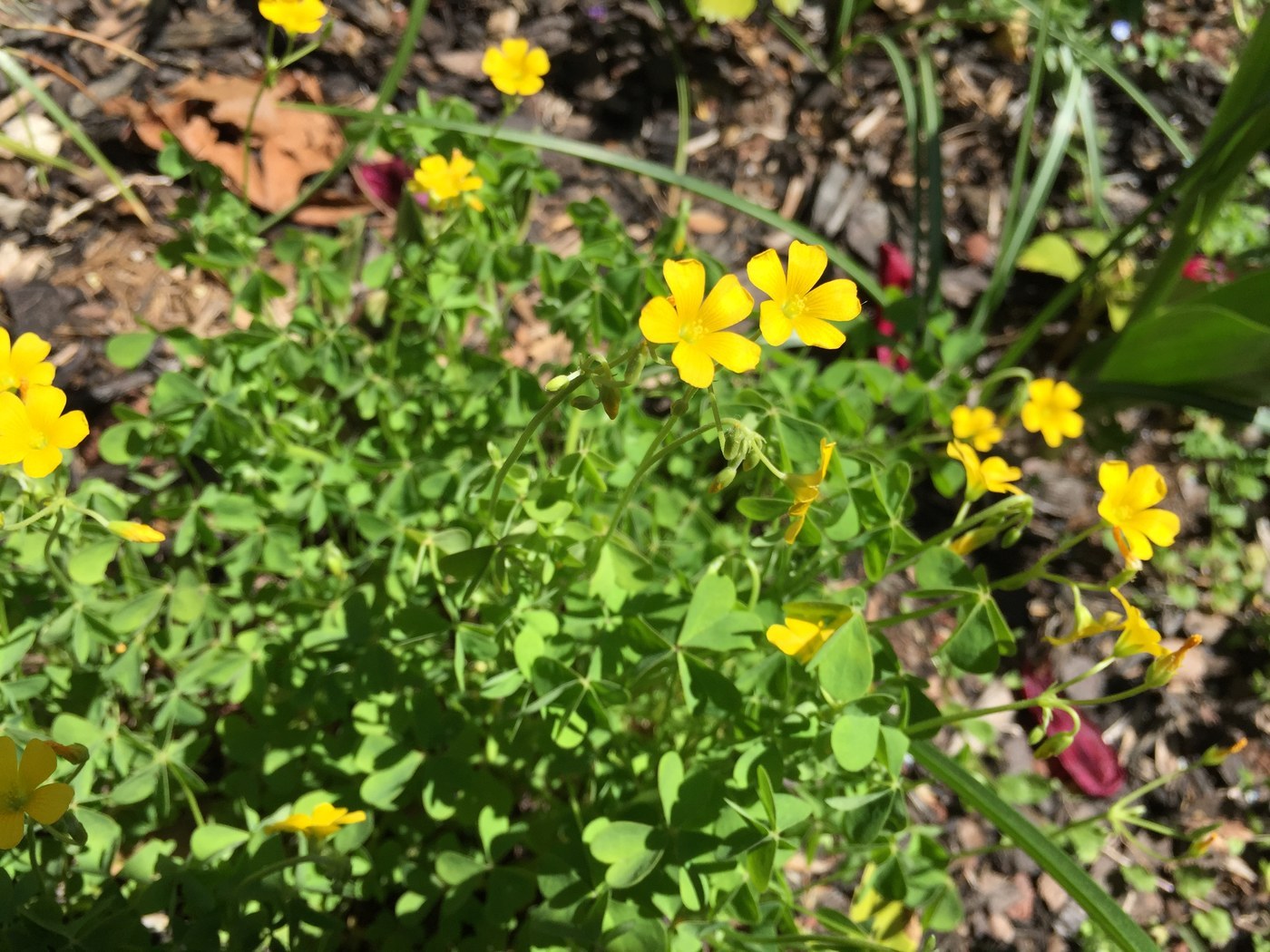
- Flowers: Bright yellow, five-petaled, about 2 cm across, with many stamens and black dots along the petal edges
- Habit: Erect, branching perennial 30-90 cm tall
- Stems: Two raised ridges run lengthwise along the stem
- Sap: Crushed flower buds release a reddish pigment (hypericin)
Care & growing
- Light: Full sun for best flowering
- Water: Low to moderate; well established plants are drought-tolerant
- Soil: Tolerant of poor, dry, well-drained soils
- Temperature: Very hardy, roughly zones 3-8
- Feeding: Rarely needed; thrives on lean ground
- Propagation: From seed, division or cuttings; can self-seed and spread readily, so site it carefully or grow ornamental Hypericum cultivars instead
Habitat & origin
St. John's wort is native to Europe, western Asia and North Africa, growing in dry meadows, roadsides, pastures and disturbed ground. It has spread widely and is now naturalized across North America, Australia and elsewhere.
In many grazing regions it is classed as a noxious weed because it crowds out pasture and forage; biological control insects have been used to manage it.
Frequently asked questions
How can I identify true St. John's wort?
Hold a leaf to the light to see the translucent dots, look for bright yellow five-petaled flowers with black-dotted edges, and note the two ridges on the stem.
Why is it considered a weed?
It spreads aggressively in pastures and rangeland and displaces forage, so it is a regulated noxious weed in many areas.
When does St. John's wort bloom?
It flowers in summer, traditionally around St. John's Day (24 June), with masses of bright yellow five-petaled blooms.
What growing conditions does it prefer?
It thrives in full sun on poor, dry, well-drained soils, is very cold-hardy, and is drought-tolerant once established.
St. John's Wort guides
In-depth guides for identifying, growing, and caring for St. John's Wort.
How to Care for St. John's Wort
Grow St. John's Wort for cheerful golden summer flowers; this tough, drought-tolerant plant thrives in sun with little fuss.
St. John's Wort Identification Guide
Identify common St. John's wort by its bright yellow five-petaled flowers with black-dotted edges, translucent 'perforated' leaves, and reddish two-ridged stems.
St. John's Wort identified by the community
Real specimens identified with Plant Identifier.