
How to Care for Star Cactus
Grow the geometric, spineless Astrophytum asterias with bright light, a gritty mineral mix, and careful dry-between-watering timing in this care guide.
Read the full Star Cactus encyclopedia entry →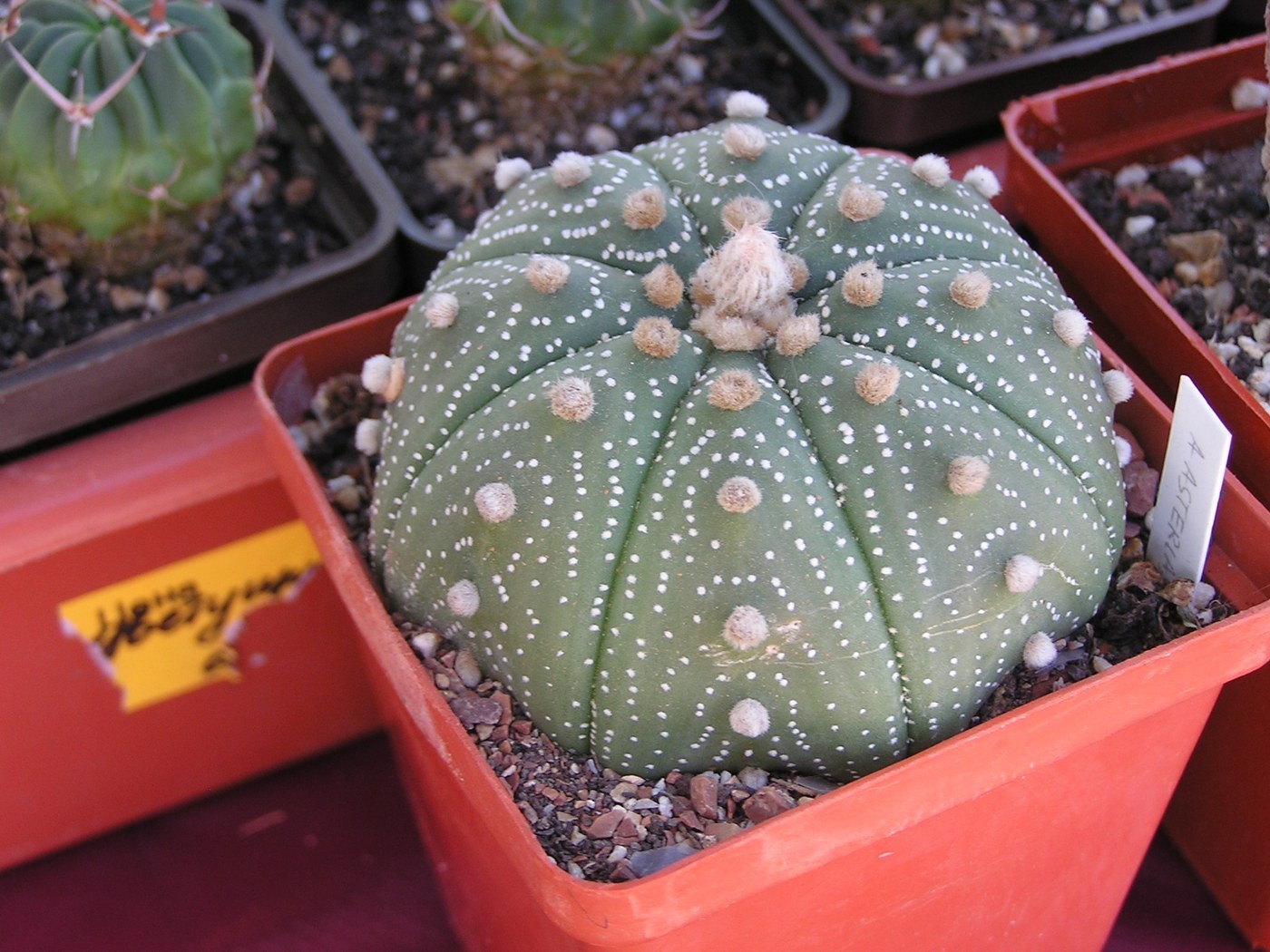
Star Cactus (Astrophytum asterias) is a small, spineless, disc-shaped cactus with a striking geometric body divided into ribs and speckled with tiny white flecks. Slow-growing and undeniably ornamental, it needs sharp drainage and restraint with the watering can to thrive.
Light
Give star cactus bright light with some direct sun. A south or west-facing window indoors is ideal. Acclimate it gradually to strong sun to avoid scorching the sensitive body. Insufficient light causes the plant to grow soft, pale, and misshapen, so err toward brighter conditions.
Water
Water sparingly and always let the mix dry out completely between waterings. During the warm growing season, a thorough soak every couple of weeks is usually enough; in cool weather, water rarely if at all. This cactus rots quickly if kept wet, so when in doubt, wait. Always tip out excess water so it never sits in a saucer.
Soil & Potting
Use a very gritty, fast-draining mineral cactus mix, ideally at least half inorganic material such as pumice, coarse sand, or grit. A shallow pot with a large drainage hole suits its shallow root system. Poor drainage is the single most common cause of failure.
Humidity & Temperature
Star cactus prefers warm, dry air and low humidity. It enjoys typical warm room temperatures during growth and appreciates a cool, dry winter rest around 10-13C (50-55F), which also encourages flowering. Protect it from frost and from cold, damp conditions.
Feeding
Feed sparingly during the growing season with a dilute low-nitrogen cactus fertilizer, roughly once a month at most. Too much feeding forces unnatural, soft growth. Do not feed during the winter rest period.
Propagation
Star cactus is usually propagated from seed, as it rarely offsets. Sow fresh seed on a gritty surface, keep warm and lightly moist under cover, and be patient, as seedlings grow slowly. Grafting onto a vigorous rootstock is sometimes used to speed growth for collectors.
Repotting / Pruning
Repot only every few years, since it grows slowly and dislikes disturbance. Repot in spring into fresh dry mix and wait several days before watering to let any disturbed roots heal. No pruning is needed for this compact, self-contained plant.
Common Problems & Pests
Root and body rot from overwatering or wet, cold conditions is the primary danger; a soft, discoloured, or collapsing base signals rot. Watch for mealybugs nestled in the ribs and for spider mites in hot, dry, still air. Corky brown patches can result from sunscald if moved abruptly into intense sun or from erratic watering.
Seasonal Care Tips
Star cactus grows in spring and summer, when it may produce yellow flowers with red centres at its crown. Water and feed lightly during this active phase. In autumn, taper off water and move the plant to a cool, bright, dry spot for winter rest, keeping it nearly dry until growth resumes in spring.
Frequently asked questions
Why is my star cactus going soft and mushy at the base?
That is almost always rot from overwatering or cold, wet soil. Stop watering, check the roots, cut away any mushy tissue, and repot into dry, gritty mix. Prevention means letting the soil dry fully between waterings.
How often should I water a star cactus?
Only when the mix is completely dry, roughly every couple of weeks in warm growing months and rarely or never in winter. When unsure, wait, since this cactus tolerates drought far better than wet feet.
How do I encourage my star cactus to flower?
Give it bright light with some direct sun, sparing water, and a cool, dry winter rest. That seasonal cool period is often what triggers the yellow, red-centred blooms in spring and summer.
Why is my star cactus growing pale and elongated?
It is stretching for light. Move it to a brighter spot with some direct sun, acclimating gradually so the body does not scorch, and it will return to its flat, compact form over time.