
How to Care for Starfish Cactus
Grow the dramatic starfish cactus with bright filtered light, very sparse watering, and gritty succulent soil for exotic star-shaped blooms.
Read the full Starfish Cactus encyclopedia entry →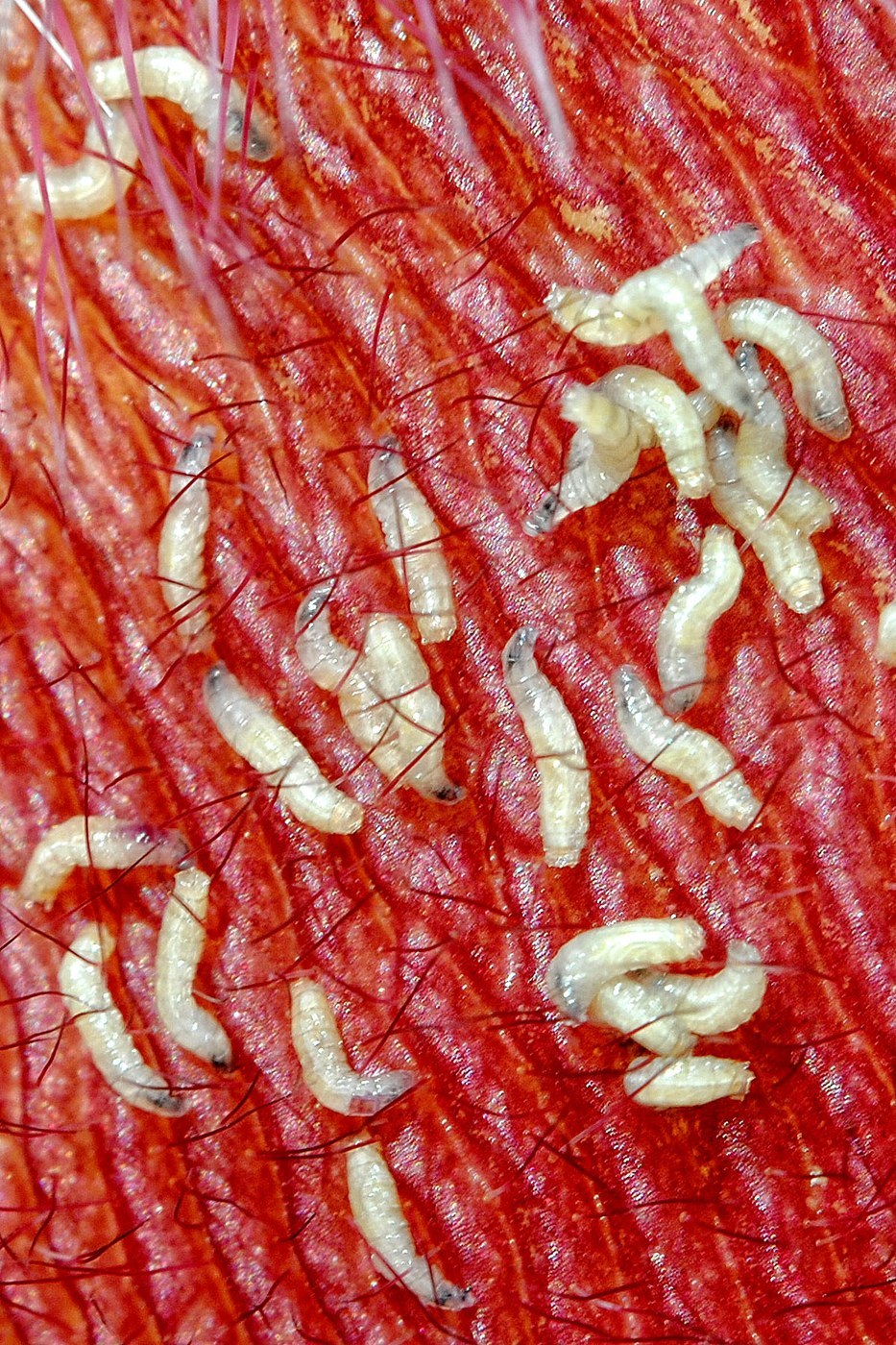
The starfish cactus (Stapelia grandiflora) is a clumping succulent, not a true cactus, grown for its striking large, five-pointed, star-shaped flowers and upright angular green stems. It is an intriguing, sculptural plant that rewards restraint with watering.
Light
Provide bright indirect light to filtered sun. Stapelia enjoys plenty of brightness but can scorch in intense, direct midday sun, especially behind glass. An east-facing window, a lightly shaded south window, or bright dappled light outdoors is ideal. Stems that turn reddish-purple in strong light are usually stressed but not harmed; deep green with sturdy form indicates good light balance.
Water
Water sparingly and always let the soil dry out completely between waterings. During active growth in spring and summer, a thorough soak every couple of weeks is plenty. In autumn and winter, reduce watering drastically to near-dormancy levels, giving only occasional light drinks to prevent total shriveling. These succulents store water in their stems and are far more tolerant of drought than of excess moisture.
Soil & Potting
Use a very free-draining, gritty succulent or cactus mix. Amend standard potting soil generously with perlite, pumice, or coarse sand so water flows through quickly. A shallow, wide pot with ample drainage holes suits the spreading, shallow-rooted clumps and reduces the risk of soggy roots.
Humidity & Temperature
Starfish cactus prefers warm conditions and average-to-low humidity. Keep it above about 10°C (50°F); it is frost-tender and can rot in cold, damp conditions. Good airflow is important. Normal room humidity is fine, and overly humid, stagnant air should be avoided.
Feeding
Feed lightly during the growing season with a diluted low-nitrogen succulent fertilizer, perhaps once a month from spring through summer. Excess feeding, especially nitrogen, encourages soft, weak growth prone to rot. Do not fertilize in autumn and winter when the plant is resting.
Propagation
Propagation is easy from stem cuttings. Detach a healthy stem segment, let the cut end callus over for a few days, then set it in gritty, barely moist soil. Roots form readily in warm conditions. Mature clumps can also be divided when repotting.
Repotting / Pruning
Repot only every few years, or when the clump outgrows its container, ideally in spring. Handle stems gently as they bruise easily. Little pruning is needed beyond removing any shriveled, damaged, or rotting stems promptly to keep the clump healthy.
Common Problems & Pests
Overwatering and cold, damp soil are the leading causes of failure, producing soft, blackening, rotting stems, remove affected sections immediately. Mealybugs can hide among the stems; treat with insecticidal soap or dab with alcohol. Shriveled, wrinkled stems indicate underwatering or extreme dormancy thirst. The large flowers produce a strong odor that attracts flies, which is normal for the species.
Seasonal Care Tips
Water and feed actively through the warm months when growth and flowering occur. As days shorten and cool, taper watering sharply and keep the plant on the dry side and warm through winter. Resume regular care in spring as new growth appears. Protect from any frost at all times.
Frequently asked questions
How often should I water a starfish cactus?
Sparingly. Let the soil dry out completely, then water thoroughly, roughly every couple of weeks in summer. In winter, cut back to only occasional light watering.
What kind of light does Stapelia grandiflora need?
Bright indirect to filtered sun. It loves brightness but can scorch in harsh midday sun through glass. An east window or lightly shaded south window works well.
Why are my starfish cactus stems turning black and soft?
That's rot from overwatering or cold, damp soil. Remove the affected sections immediately, let the plant dry out, and use a grittier, faster-draining mix.
How do I propagate starfish cactus?
Take a healthy stem cutting, let the cut end callus for a few days, then plant it in gritty, barely moist soil. Roots form readily in warm conditions.
Why do the flowers smell?
The large star-shaped blooms naturally produce a strong odor that attracts flies for pollination. It is normal for the species and fades as the flower ages.