Starfish Cactus
Stapelia grandiflora
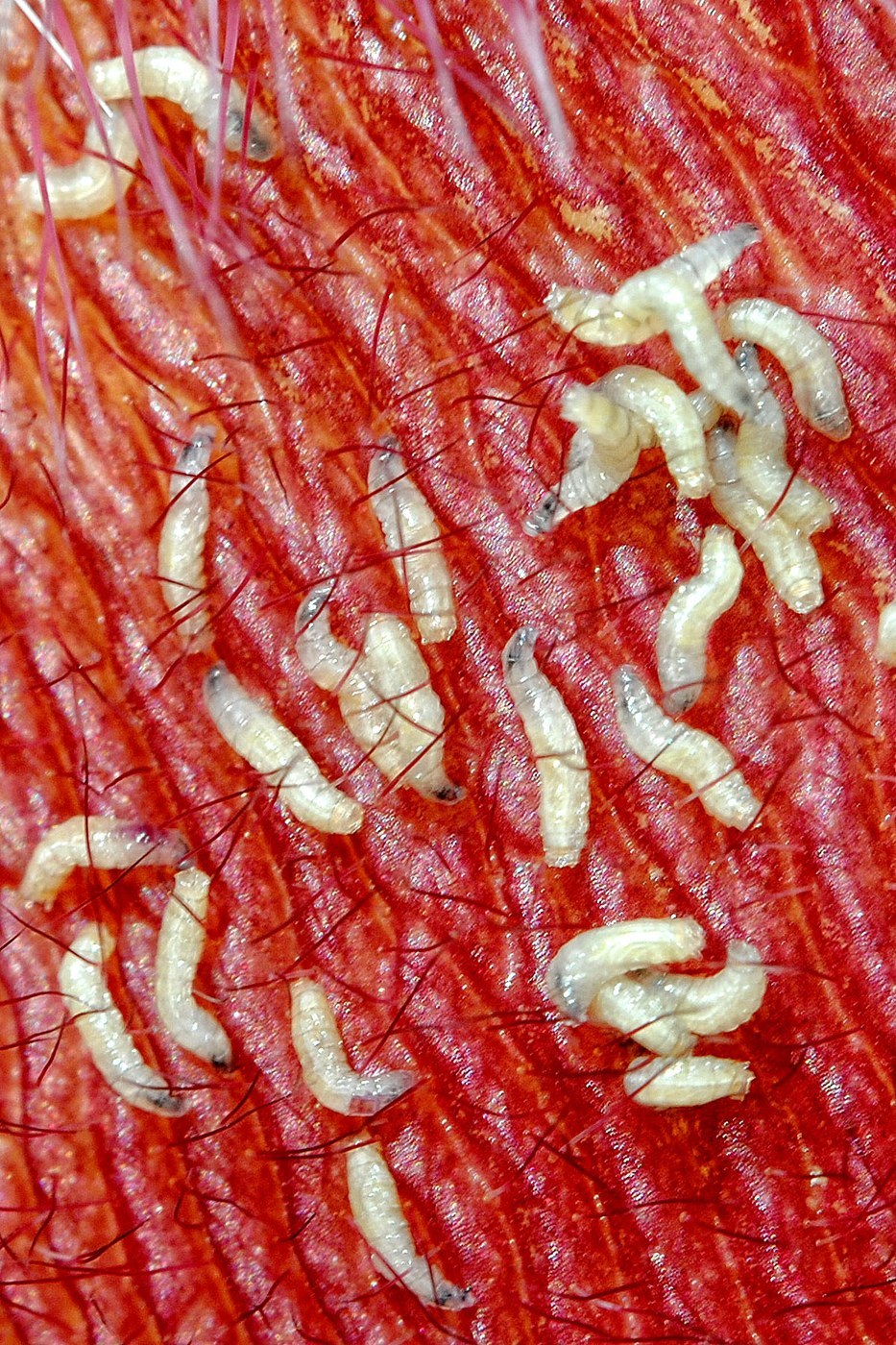
A clumping stem succulent that produces enormous, hairy, star-shaped maroon flowers resembling a starfish. The blooms smell of carrion to attract flies, earning it the name carrion plant.
- Light
- Bright indirect to filtered sun
- Water
- Sparingly; dry out between waterings
- Difficulty
- Moderate
Got a plant like this?
Identify any plant from a photo, free.
Overview
Starfish Cactus is a stem succulent (not a true cactus) celebrated for its huge, dramatic flowers — five-pointed maroon stars up to 6 in (15 cm) across, fringed with fine hairs that give a furry texture.
The plant grows as an upright clump of soft, four-angled, toothed green stems. From these emerge the spectacular blooms, which mimic rotting meat in color, texture and smell to attract carrion flies as pollinators.
Though the odor is off-putting up close, the sheer size and strangeness of the flowers make it one of the most sought-after novelty succulents.
How to identify it
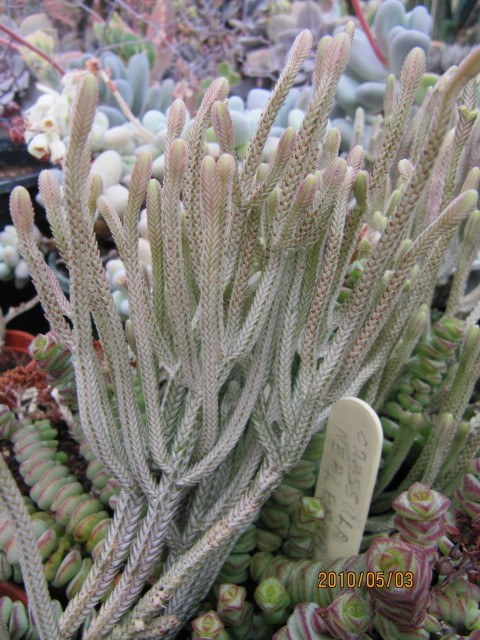
- Upright, soft, four-angled green stems with toothed ridges, clumping from the base
- Large, star-shaped flowers up to 6 in (15 cm) across, deep maroon to purple-brown
- Petals lined with fine silky hairs, especially along the edges
- Flowers emit a strong carrion-like odor when open
- No spines; stems are fleshy and velvety to the touch
Care & growing
Light: Bright indirect light to filtered sun; protect from intense midday sun that can scorch the soft stems.
Water: Water sparingly during growth and let the soil dry between waterings; keep nearly dry in winter.
Soil: Very fast-draining succulent or cactus mix to prevent rot.
Temperature: Warm conditions; it is frost-tender and should be kept above freezing.
Feeding: Light, occasional feeding during the growing season.
Propagation: Easy from stem cuttings — let them callus, then root in dry mix.
Habitat & origin
Native to South Africa, where it grows in dry, rocky, scrubby terrain, often sheltered among rocks and low vegetation.
The carrion-mimic flowers are adapted to fly pollination in this arid environment. It is grown worldwide by succulent collectors as a flowering novelty houseplant.
Frequently asked questions
Why does the flower smell like rotting meat?
The scent, along with the flower's color and hairy texture, mimics carrion to attract flies, which pollinate it. The smell is strongest when the flower first opens.
Is the Starfish Cactus actually a cactus?
No. It's a stem succulent in the milkweed family (Apocynaceae), unrelated to true cacti despite the common name.
Why are my stems going soft and brown?
Usually rot from overwatering or cold. Use gritty, fast-draining mix, water sparingly, keep it warm, and let it dry out between waterings.
What's the swelling that looks like a balloon before flowering?
That's the flower bud, which inflates like a small balloon before splitting open into the large star-shaped bloom.
Starfish Cactus guides
In-depth guides for identifying, growing, and caring for Starfish Cactus.
How to Care for Starfish Cactus
Grow the dramatic starfish cactus with bright filtered light, very sparse watering, and gritty succulent soil for exotic star-shaped blooms.
Starfish Cactus Identification Guide
Identify the Starfish Cactus (Stapelia grandiflora) by its soft four-angled green stems and huge, hairy, star-shaped flowers that smell of carrion.