
Stevia Identification Guide
Identify the stevia plant by its bushy form, small toothed oval leaves that taste intensely sweet, and tiny clusters of white tubular flowers.
Read the full Stevia encyclopedia entry →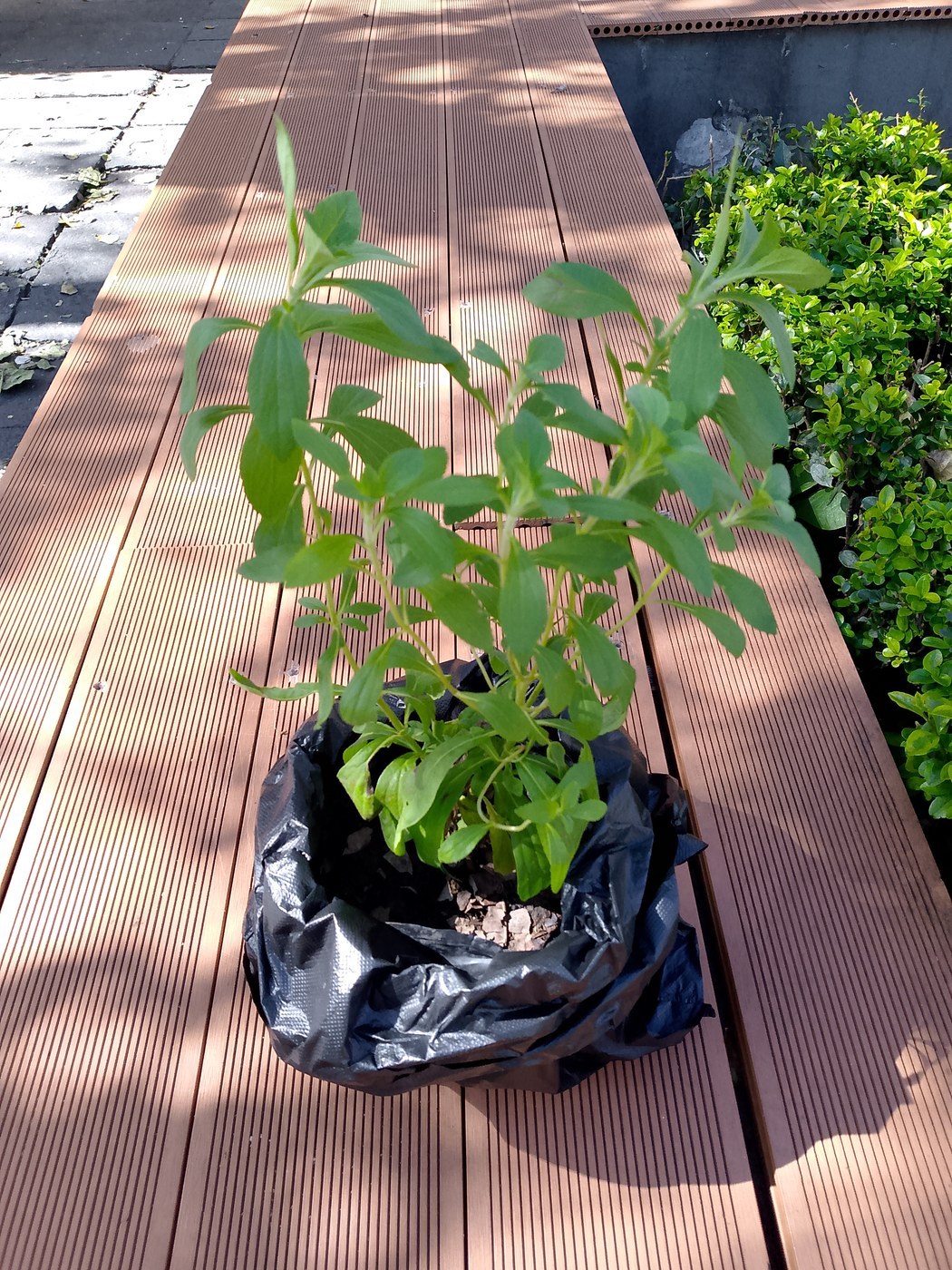
Key Identifying Features
Stevia (Stevia rebaudiana), the sweetleaf plant, is a tender perennial in the daisy family (Asteraceae). Its single most reliable identifier is taste: a tiny nibble of a fresh leaf is intensely, lingeringly sweet (far sweeter than sugar) with a slightly licorice or herbal aftertaste. The plant is a small bushy herb with toothed oval leaves and clusters of tiny white flowers.
- Bushy, branching plant 30–80 cm (1–2.5 ft) tall
- Small, oval-to-lance-shaped leaves with toothed upper margins
- Intensely sweet-tasting leaves
- Tiny white tubular flowers in loose clusters
- Soft, slightly hairy stems
Leaves & Stems
Leaves are small (2–5 cm), oval to spoon-shaped (obovate to lanceolate), with shallowly toothed (serrated) margins, mostly toward the leaf tip, and a slightly rough or downy texture. They grow in opposite pairs on soft, green, branching stems that become semi-woody at the base with age. The plant forms a compact, leafy bush. Crushed leaves are mildly aromatic and notably sweet.
Flowers & Fruit
Flowering (triggered by short autumn days) produces small heads of tiny white, tubular five-lobed florets grouped in loose, branched clusters at the stem tips — typical small daisy-family flower heads, but without showy ray petals. Seeds are tiny and topped with a feathery pappus for wind dispersal, similar to a dandelion's but much smaller.
How to Tell It Apart from Look-Alikes
- Many small-leaved garden herbs look superficially similar, but the extreme sweetness of a chewed leaf is unique and instantly diagnostic — no common look-alike shares it.
- Mints / nettles: have square stems (stevia's are round) and the wrong taste/scent.
- Other Asteraceae (e.g., bonesets, asters): lack the sweet leaf and have larger or showier flowers.
When unsure, a cautious taste of a leaf settles it: overwhelming sweetness = stevia.
Where You'll Find It
Native to Paraguay and Brazil (the highlands of South America), stevia is cultivated worldwide as a natural sweetener crop and a container/garden herb. It prefers warm, frost-free conditions, full sun to part shade, and moist but well-drained soil, and is grown as an annual or overwintered indoors in cold climates.
Quick ID Checklist
- Intensely sweet-tasting leaf (key test)
- Small toothed oval-to-lance leaves, opposite pairs
- Round (not square) soft branching stems
- Tiny white tubular flowers in loose clusters
- Compact bushy herb, frost-tender
A small bushy daisy-family herb whose toothed oval leaves taste astonishingly sweet is stevia.
Frequently asked questions
What's the easiest way to confirm a plant is stevia?
Taste a small piece of a fresh leaf: stevia is intensely, lingeringly sweet, far sweeter than sugar, with a slight licorice aftertaste. No common look-alike shares this overwhelming sweetness, making taste the definitive test.
What do stevia flowers look like?
Small heads of tiny white tubular florets grouped in loose, branched clusters at the stem tips. They lack showy petals and appear when days shorten in autumn.
Does stevia have square stems like mint?
No. Despite its leafy herb appearance, stevia is in the daisy family and has round, soft, branching stems, not the square stems of mint-family plants.
Where does stevia grow naturally?
It is native to the highlands of Paraguay and Brazil and is now cultivated worldwide in warm, frost-free climates, often grown as a container plant or annual in cooler regions.