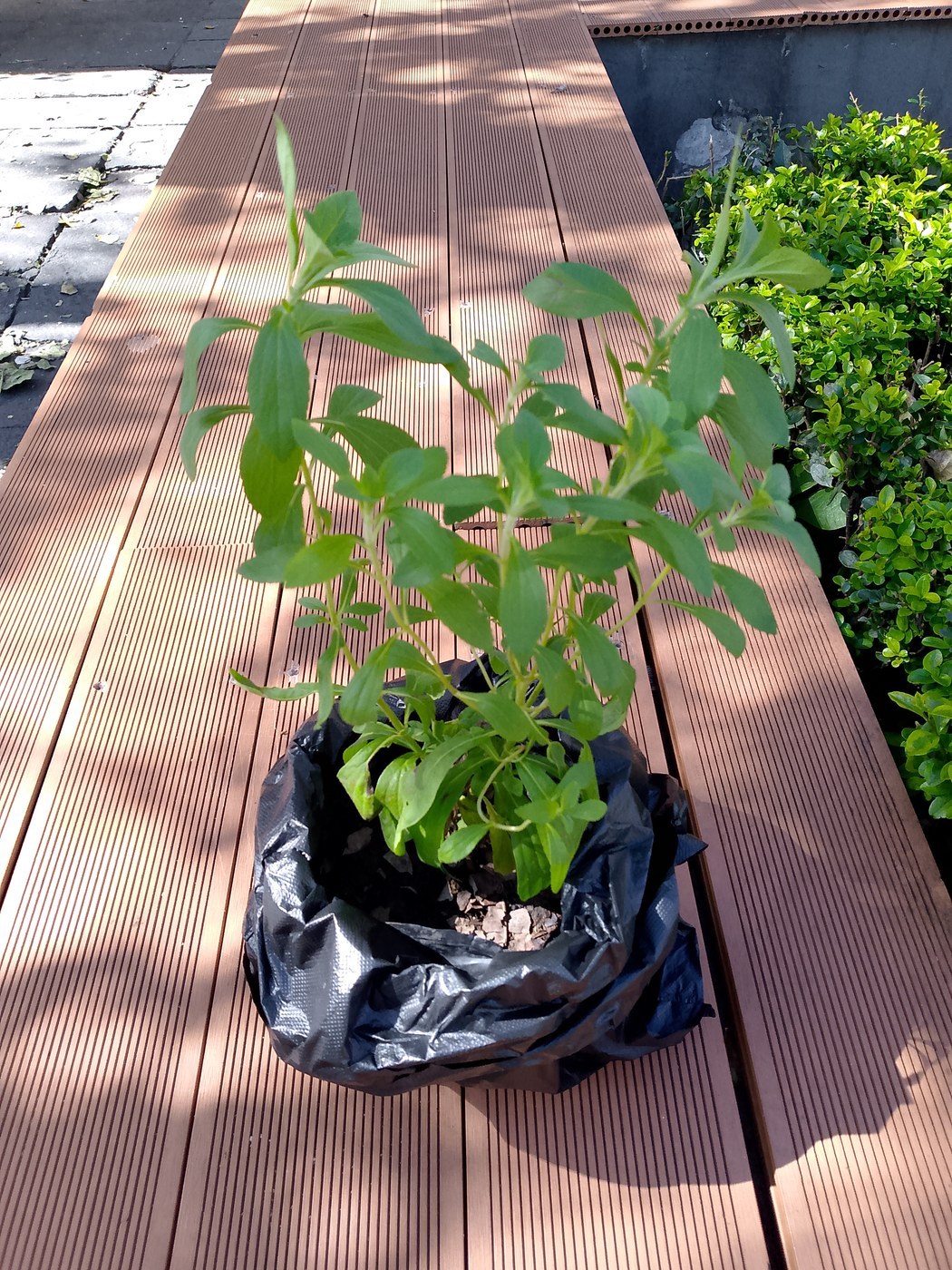
Stevia
Stevia rebaudiana
Stevia is a tender perennial herb in the daisy family, native to South America. It forms a bushy, branching plant grown in gardens and containers.
- Light
- Full sun to bright light
- Water
- Regular; keep lightly moist, not soggy
- Difficulty
- Moderate
Got a plant like this?
Identify any plant from a photo, free.
Overview
Stevia is a tender perennial in the daisy family (Asteraceae), native to South America. It forms a bushy, branching plant 30-80 cm tall with small, bright green leaves arranged in opposite pairs.
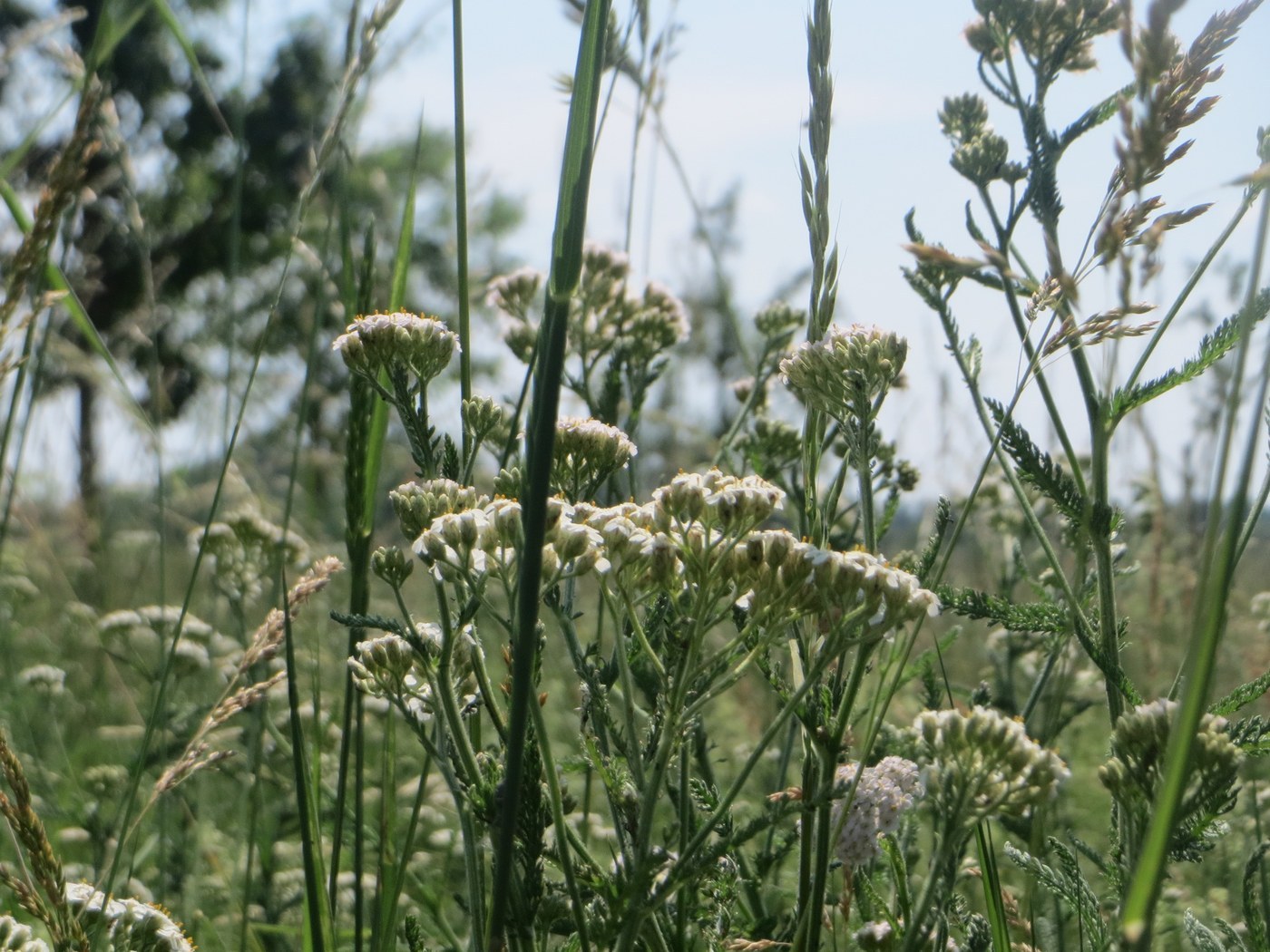
It is frost-tender, so in most climates it is grown as an annual or kept indoors over winter. As a member of the Asteraceae, it produces tiny white tubular flowers in loose clusters.
How to identify it
- Leaves: Small, lance-shaped, slightly toothed, bright green, in opposite pairs
- Habit: Bushy, branching herb 30-80 cm tall
- Flowers: Tiny white tubular blooms in loose clusters
- Stems: Slender, branching, becoming woody at the base
- Key feature: Neatly paired opposite leaves on an upright, much-branched stem
Care & growing
- Light: Full sun to bright light
- Water: Regular; keep the soil lightly moist but not soggy, as it dislikes both drought and waterlogging
- Soil: Light, well-drained, loamy soil
- Temperature: Frost-tender; perennial only in roughly zones 9-11, grown as an annual or overwintered indoors elsewhere
- Feeding: Light, low-nitrogen feeding
- Propagation: From cuttings (most reliable) or seed, which germinates erratically; pinch tips to keep it bushy
Habitat & origin
Stevia is native to the highlands of Paraguay and Brazil, where in the wild it grows in semi-humid, subtropical conditions on the edges of marshes and grasslands.
It is now cultivated in many warm regions around the world, with significant production in China and Paraguay.
Frequently asked questions
How do I recognize a stevia plant?
Look for a bushy, branching herb 30-80 cm tall with small, lance-shaped, slightly toothed bright green leaves in opposite pairs and tiny white tubular flowers in loose clusters.
Where is stevia native to?
It is native to the highlands of Paraguay and Brazil, where it grows in semi-humid, subtropical conditions near marshes and grasslands.
Will stevia survive winter outdoors?
Only in frost-free climates (roughly zones 9-11). In colder areas grow it as an annual or bring it indoors to a bright spot before frost.
How do I propagate stevia?
Cuttings are the most reliable method; seed germinates erratically. Pinch the growing tips to keep the plant bushy and compact.
Stevia guides
In-depth guides for identifying, growing, and caring for Stevia.
How to Care for Stevia
Grow lush Stevia rebaudiana with full sun, evenly moist soil, and regular pinching for a bushy, fast-growing tender perennial.
Stevia Identification Guide
Identify the stevia plant by its bushy form, small toothed oval leaves that taste intensely sweet, and tiny clusters of white tubular flowers.