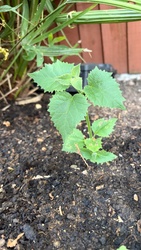
How to Care for Stinging Nettle
An easy, vigorous perennial, stinging nettle thrives in rich, moist soil and sun to part shade, spreading readily as a wildlife-friendly plant.
Read the full Stinging Nettle encyclopedia entry →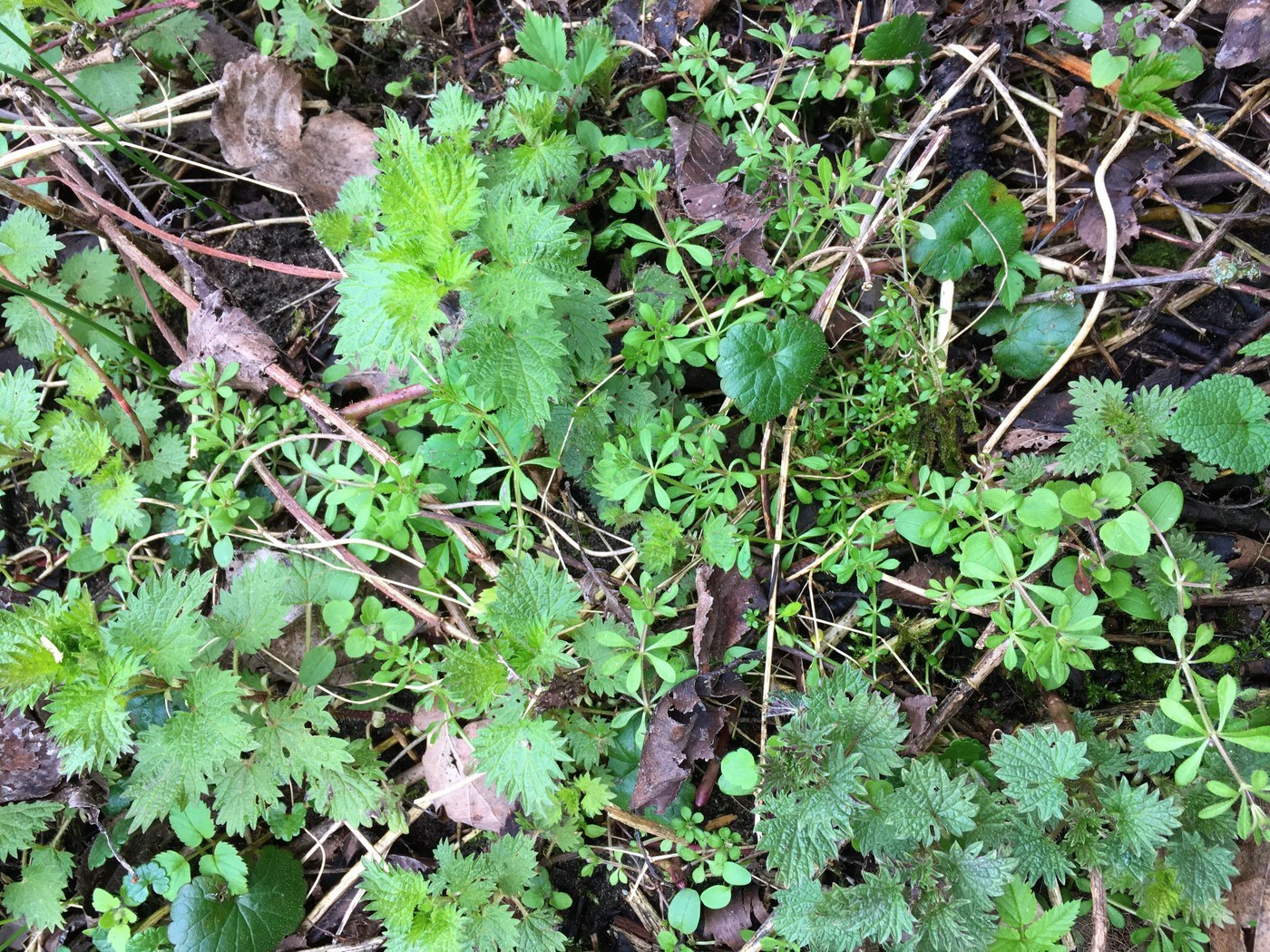
Stinging nettle (Urtica dioica) is a fast-growing herbaceous perennial with toothed, heart-shaped leaves and tiny greenish flower clusters. Grown ornamentally in wild and wildlife gardens, it is exceptionally easy and vigorous, spreading by both seed and creeping roots. Always wear gloves and long sleeves when handling it.
Light
Nettle grows well in full sun to part shade. It produces lush, tall growth in sun with adequate moisture, and tolerates dappled shade at woodland edges, where growth is a little softer and shorter.
Water
Keep the soil moderately and consistently moist; nettle favors rich, damp ground and grows most vigorously where water is plentiful. It tolerates brief dry spells but wilts and stalls in prolonged drought. Regular watering keeps foliage lush.
Soil & Potting
Nettle thrives in fertile, humus-rich, moist soil and is a classic indicator of nitrogen-rich ground. It tolerates most soils but rewards richness with rampant growth. Because it spreads aggressively by rhizomes, many gardeners confine it to a container or a bed with root barriers to keep it in bounds.
Humidity & Temperature
A hardy temperate perennial, nettle withstands cold winters by dying back and regrowing in spring. It handles a wide temperature range and average humidity. No special humidity care is needed; airflow helps keep foliage healthy.
Feeding
Rich soil usually makes extra feeding unnecessary. On poor ground, a nitrogen-rich or general fertilizer or a topdressing of compost boosts leafy growth. Nettle responds strongly to fertility, so feed only if you want maximum vigor.
Propagation
Propagate easily by dividing the creeping rhizomes in spring or fall, or by sowing seed on the surface of moist soil. Root division is quick and reliable. Because it self-seeds and spreads readily, propagation is rarely a challenge; containment is the greater concern.
Repotting / Pruning
Cut plants back hard through the season to control spread and encourage fresh, tender regrowth. Removing flower heads before they set seed limits self-sowing. In containers, divide and refresh the soil each spring to prevent the pot from becoming root-bound.
Common Problems & Pests
Nettle is remarkably pest- and disease-free and is often a host plant for beneficial insects. The main management issue is its aggressive spreading by seed and rhizome. Occasional aphids or leaf spots may appear but rarely cause serious harm. Yellowing lower leaves usually indicate dryness or the plant preparing to die back.
Seasonal Care Tips
Plant or divide in spring. Cut back mid-season to spur soft new growth and to prevent seeding. In autumn the top growth dies back naturally; leave or clear the stems as you prefer. New shoots emerge reliably from the roots each spring.
Frequently asked questions
How do I stop stinging nettle from spreading?
Confine it to a container or install root barriers, since it spreads by creeping rhizomes and seed. Cut off flower heads before they set seed and remove stray shoots promptly to keep it contained.
Does stinging nettle need full sun?
It grows well in full sun to part shade. Sun with moist, rich soil produces the tallest, lushest growth, while dappled shade yields softer, somewhat shorter plants.
How do I handle stinging nettle safely while gardening?
Always wear sturdy gloves and long sleeves when planting, pruning, or dividing it, as the foliage and stems are covered in stinging hairs.
Why are my nettle's lower leaves yellowing?
Yellowing lower leaves usually mean the soil has gone too dry, or the plant is naturally preparing to die back at season's end. Keep the soil evenly moist during active growth.
Stinging Nettle identified by the community
Recent Stinging Nettle specimens identified with Plant Identifier.