Stinging Nettle
Urtica dioica
Stinging nettle is a tall perennial herb covered in tiny hollow hairs that release an irritating fluid on contact, producing a brief stinging sensation. It has a long history as a fiber and dye plant.
- Light
- Full sun to part shade
- Water
- Moderate; prefers moist, rich soil
- Difficulty
- Easy
Got a plant like this?
Identify any plant from a photo, free.
Overview
Stinging nettle (Urtica dioica) is a vigorous perennial herb native to Europe, Asia, northern Africa and North America. It is best known for its sting: the leaves and stems bear countless tiny, hollow, needle-like hairs (trichomes) that break on touch and release irritating compounds, producing a brief burning sensation.
The same plant has a long history of use in textiles and dye-making. It thrives in rich, disturbed soil and often signals fertile, nitrogen-rich ground.
How to identify it
An upright perennial, typically 3-7 ft tall, spreading by rhizomes into colonies.
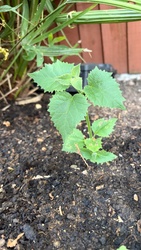
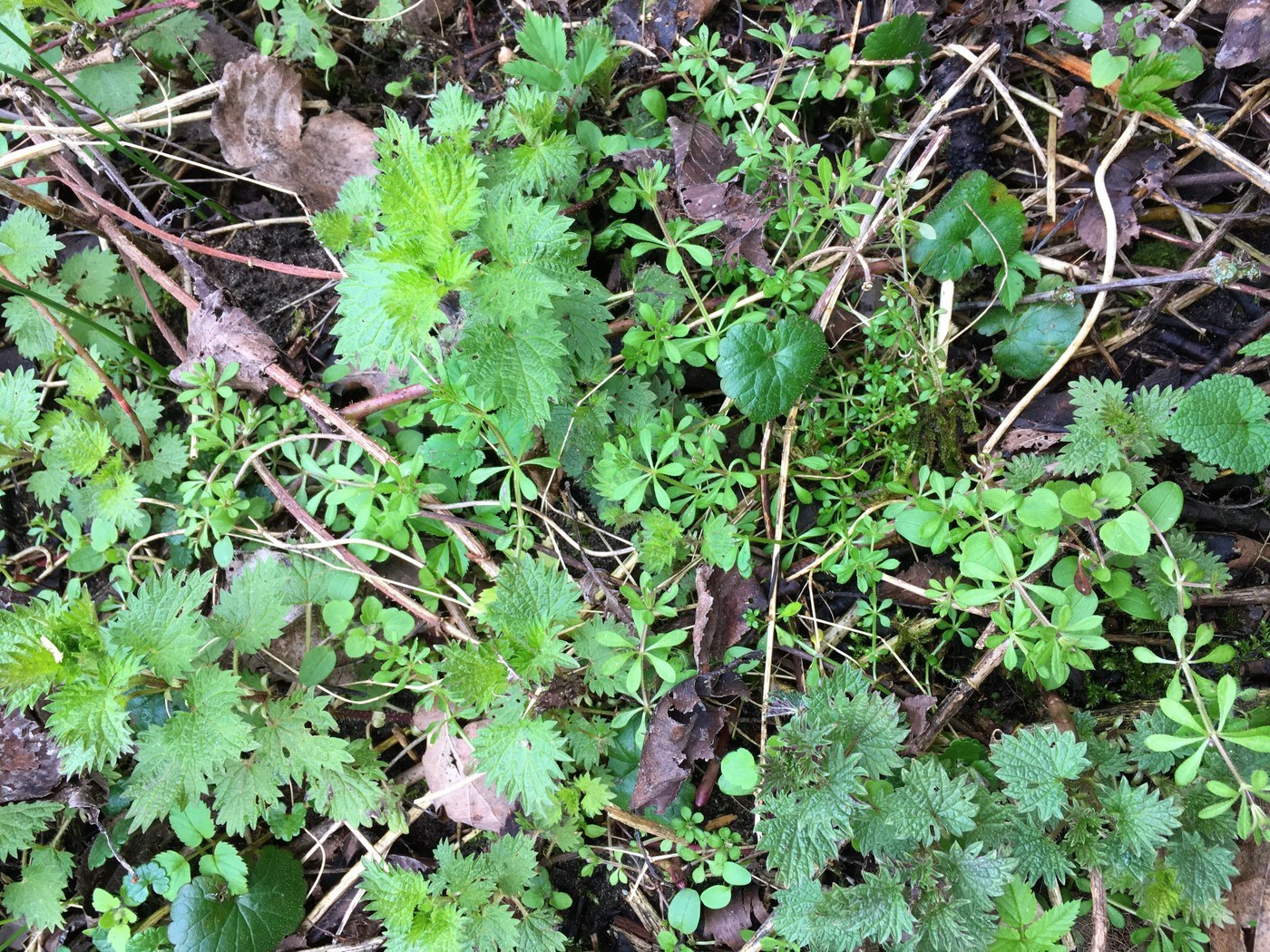
- Leaves: opposite, heart-shaped to lance-shaped with coarsely toothed (serrated) margins, pointed tips, deeply veined; covered in fine stinging hairs
- Stems: erect, square-ish, also bearing stinging hairs
- Stinging hairs: tiny, hollow, glass-like trichomes on leaves and stems that break on contact
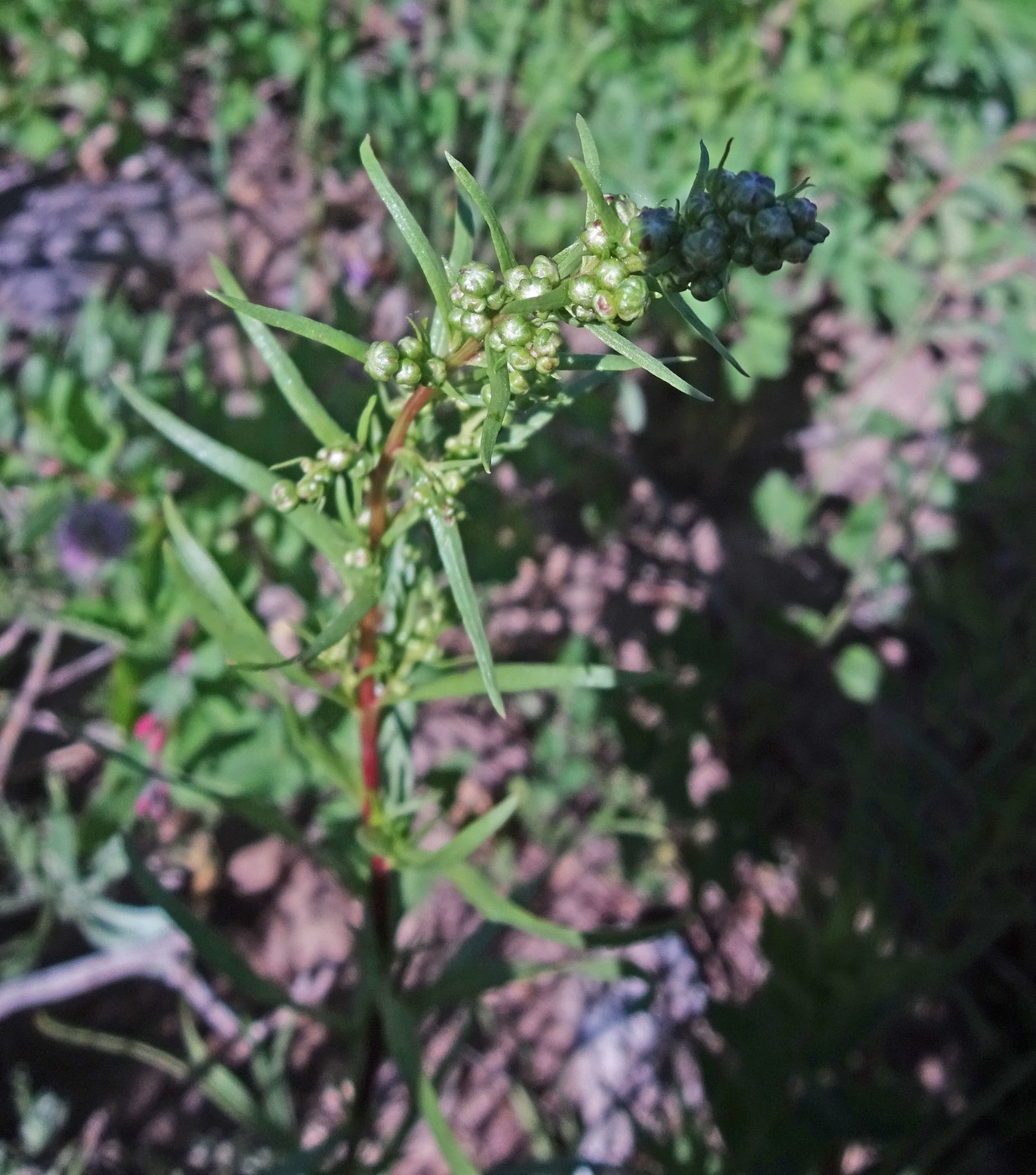
- Flowers: small, greenish, in drooping clusters from the leaf axils in summer (male and female usually on separate plants)
- Habit: forms dense patches via creeping yellow rhizomes
Care & growing
Easy to grow (sometimes too easy); often cultivated as a fiber or garden herb.
- Light: Full sun to part shade
- Water: Prefers consistently moist, fertile soil
- Soil: Loves rich, nitrogen-heavy, disturbed ground; an indicator of fertile soil
- Temperature: Very cold hardy (USDA zones 3-10)
- Handling: Wear thick gloves and long sleeves to avoid the sting when working with it
- Propagation: By seed or, more easily, by dividing rhizomes
- Control: Where unwanted, dig out the rhizomes (mowing alone won't eliminate it)
Habitat & origin
Native across Europe, temperate Asia, northern Africa and North America, stinging nettle is now found in temperate regions worldwide.
It favors moist, nutrient-rich, disturbed soils: stream banks, ditches, hedgerows, woodland edges, pastures, farmyards, compost heaps and waste ground. Dense nettle patches often indicate high soil fertility, especially phosphate and nitrogen.
Frequently asked questions
Why does stinging nettle sting?
Its leaves and stems carry tiny hollow hairs that break on contact and release irritating compounds onto the skin, producing a brief burning sensation.
How can I identify stinging nettle?
Look for an upright perennial 3-7 ft tall with opposite, coarsely toothed heart- to lance-shaped leaves, square-ish stems, and fine stinging hairs on both leaves and stems, spreading into dense patches by rhizomes.
What does a nettle patch tell me about my soil?
Dense nettles usually indicate moist, very fertile soil that is high in nitrogen and phosphate, often near old farmyards or disturbed ground.
Stinging Nettle guides
In-depth guides for identifying, growing, and caring for Stinging Nettle.
How to Care for Stinging Nettle
An easy, vigorous perennial, stinging nettle thrives in rich, moist soil and sun to part shade, spreading readily as a wildlife-friendly plant.
Stinging Nettle Identification Guide
How to identify stinging nettle (Urtica dioica) by its stinging hairs, toothed opposite leaves, and dangling green flower clusters.
Stinging Nettle identified by the community
Real specimens identified with Plant Identifier.