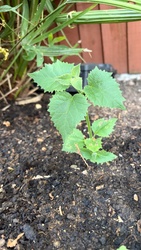
Stinging Nettle Identification Guide
How to identify stinging nettle (Urtica dioica) by its stinging hairs, toothed opposite leaves, and dangling green flower clusters.
Read the full Stinging Nettle encyclopedia entry →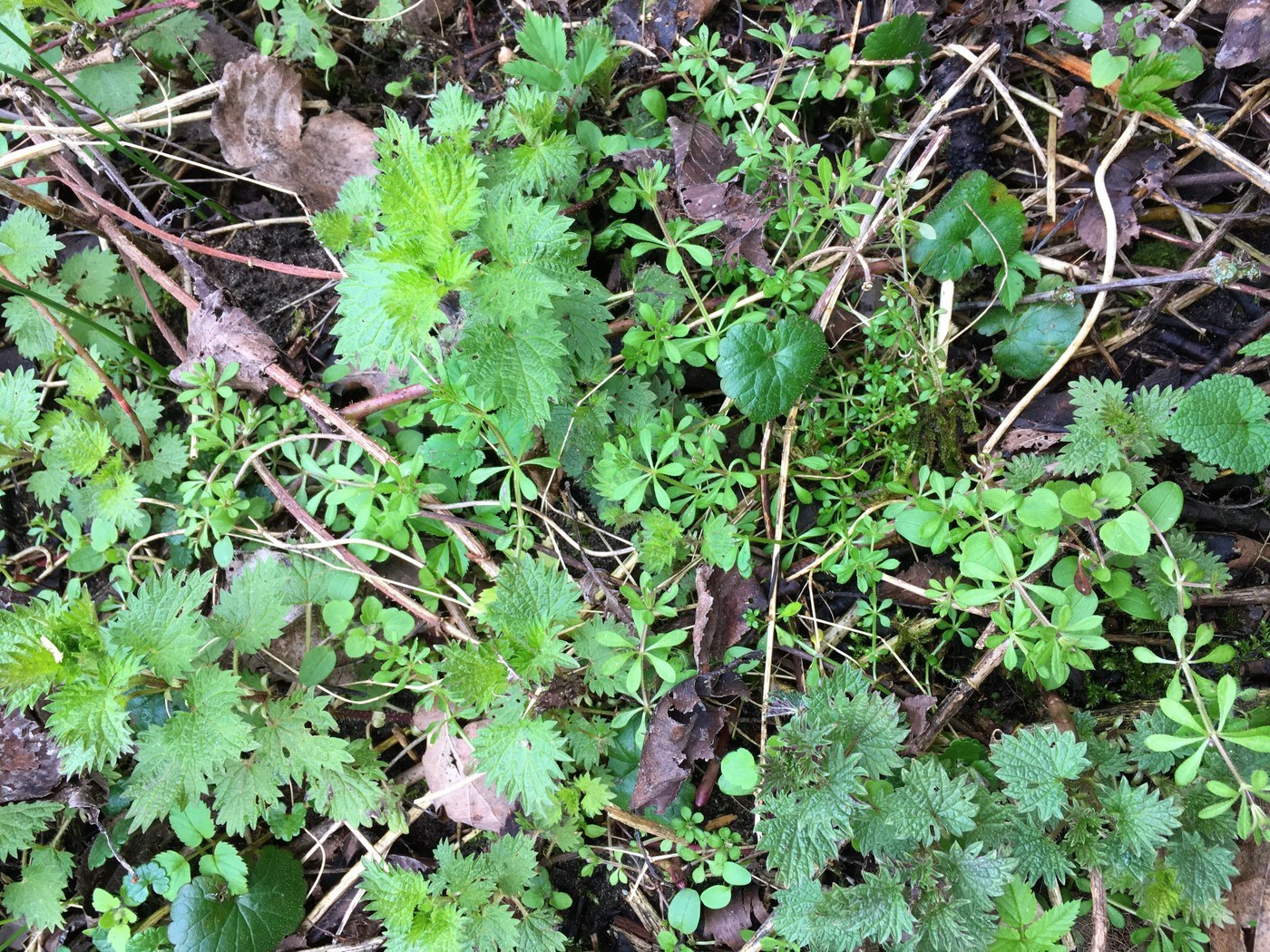
Key Identifying Features
Stinging nettle (Urtica dioica) is an upright perennial herb covered in tiny stinging hairs that inject irritating chemicals on contact, causing a burning, itchy welt. Identify it by opposite, coarsely toothed, heart-based leaves, bristly stems and leaves, and drooping clusters of tiny green flowers, usually growing in moist, rich soil.
- Upright stems 2-7 ft tall, often in dense patches
- Stinging hairs on stems and leaf undersides
- Heart-shaped leaf base with strongly toothed margins
Leaves & Stems
Leaves are opposite (paired), 2-6 inches long, narrowly heart-shaped to lance-shaped with a rounded or heart-shaped base and a pointed tip. Margins are coarsely and sharply toothed (serrate). Both leaf surfaces, especially the underside and along the veins, bear stinging and non-stinging hairs. The square-ish to ridged stems are also covered in stinging hairs. The whole plant has a slightly rough, bristly look. The combination of opposite toothed leaves and visible stinging hairs is definitive, but always confirm by sight, not touch.
Flowers & Fruit
From early summer to fall, tiny greenish flowers hang in branched, drooping clusters (catkins) from the leaf axils. Plants are usually dioecious, with separate male and female plants; female clusters are denser and droopier. Flowers are wind-pollinated and not showy. Fruit is a small dry seed (achene). The dangling green tassels at the upper leaf joints help confirm ID.
How to Tell It Apart from Look-Alikes
- Wood nettle (Laportea canadensis): also stings but has alternate leaves; stinging nettle leaves are opposite.
- False nettle (Boehmeria cylindrica): looks similar with opposite toothed leaves but has no stinging hairs and upright (not drooping) flower spikes.
- Mints/deadnettles: square stems and opposite leaves but no stinging hairs and showy two-lipped flowers.
- Horse nettle: a nightshade with prickles and star-shaped flowers, unrelated.
Where You'll Find It
Stinging nettle favors moist, nitrogen-rich soils: streambanks, ditches, floodplains, woodland edges, pastures, and disturbed waste ground, in sun to part shade. It often forms large colonies and is widespread across temperate North America, Europe, and Asia.
Quick ID Checklist
- Opposite, coarsely toothed leaves with heart-shaped base
- Visible stinging hairs on stems and leaf undersides
- Upright stems, often 2-7 ft in dense patches
- Drooping green flower clusters at leaf joints
- Moist, rich soil along streams and disturbed ground
Caution: Brushing against it causes a stinging, itchy rash. Wear gloves; the sting is neutralized only after cooking or drying.
Frequently asked questions
How can I identify stinging nettle without touching it?
Look for opposite, coarsely toothed leaves with a heart-shaped base on an upright stem, plus tiny stinging hairs visible on the stems and leaf undersides and drooping green flower clusters at the leaf joints. Never test by touch.
What is the difference between stinging nettle and false nettle?
They look alike, but false nettle (Boehmeria cylindrica) has no stinging hairs and its flower spikes stand upright, while stinging nettle has stinging hairs and drooping flower clusters.
Why does stinging nettle sting?
Its hollow stinging hairs act like tiny needles that break on contact and inject irritating compounds including histamine and formic acid, producing a burning, itchy welt.
How do I tell it from wood nettle?
Stinging nettle has opposite leaves, while wood nettle (Laportea canadensis) has alternate leaves. Both can sting, so confirm by leaf arrangement rather than touch.
Stinging Nettle identified by the community
Recent Stinging Nettle specimens identified with Plant Identifier.