
How to Care for Subalpine Fir
Grow Subalpine Fir (Abies lasiocarpa) for a narrow, spire-like evergreen. A cool-climate conifer that wants moist soil and dislikes summer heat.
Read the full Subalpine Fir encyclopedia entry →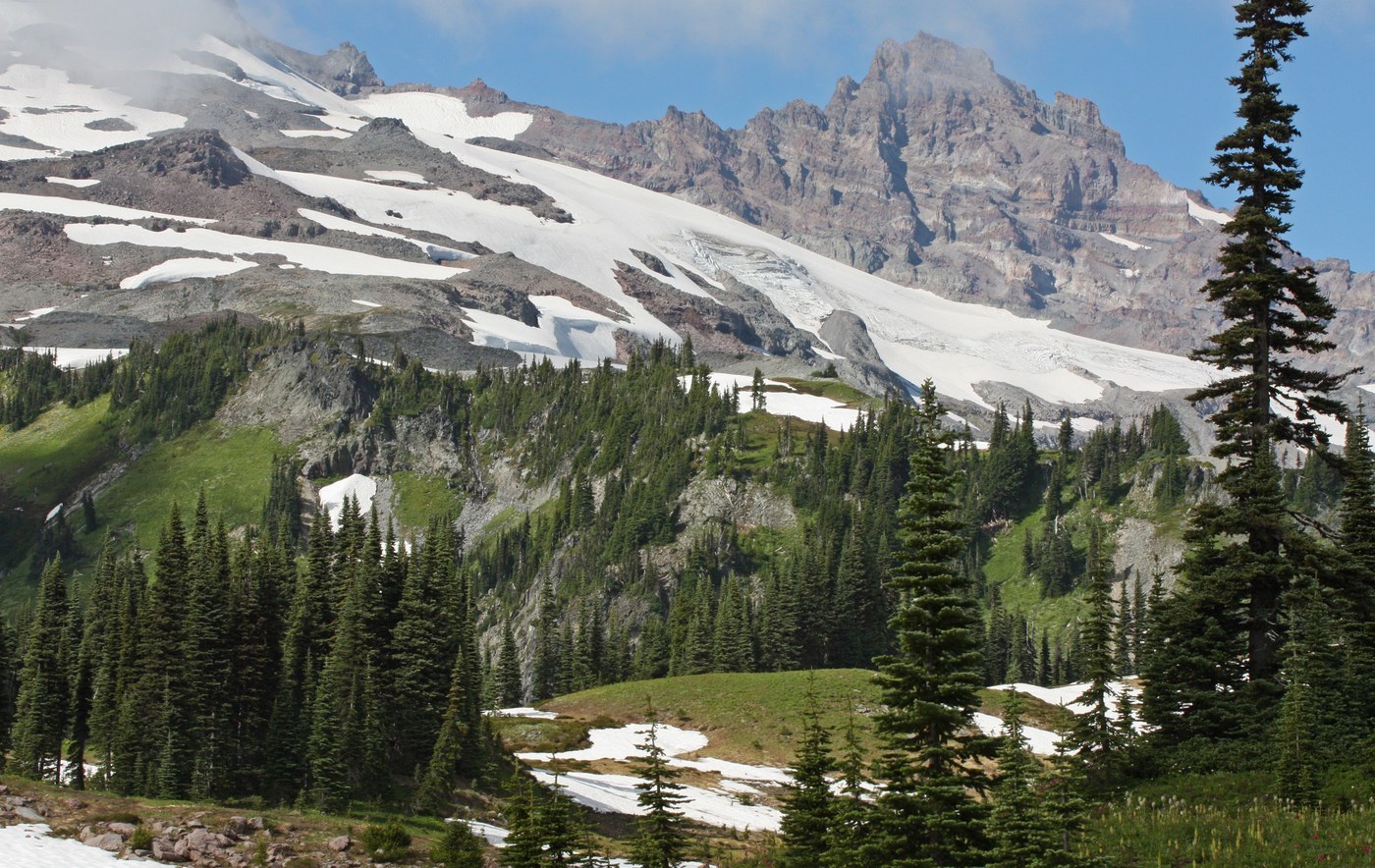
Subalpine Fir (Abies lasiocarpa) is a strikingly narrow, spire-shaped evergreen conifer native to high mountains, prized for its dense silvery-green needles and elegant columnar form. It suits cool climates and large landscapes, thriving where summers are mild and soil stays cool and moist.
Light
Subalpine Fir grows in full sun to part shade. Full sun gives the densest, most symmetrical form in cool climates, while some afternoon shade helps in warmer regions where it can struggle. Young trees appreciate light shade; established ones tolerate more open exposure.
Water
Water is moderate, and consistency matters. This fir wants cool, evenly moist, never-waterlogged soil. Keep young trees well watered through establishment and during dry spells, and mulch to conserve moisture. It has little tolerance for prolonged drought or hot, dry soil, which stress the tree quickly.
Soil & Potting
Provide moist, well-drained, acidic soil rich in organic matter, echoing its native cool mountain forests. It dislikes heavy, poorly drained, or alkaline ground and hot compacted soils. A generous organic mulch keeps roots cool and moist. Container culture is possible for young specimens in an acidic, free-draining mix.
Humidity & Temperature
This is a cold-hardy mountain species that thrives in cool temperatures and struggles in heat and humidity. It performs best where summers are mild and winters cold. Hot, muggy climates shorten its life and invite disease. A cool site with good air movement and root shade suits it best.
Feeding
Feeding needs are low. An acidic conifer or evergreen fertilizer applied lightly in early spring supports young trees, but established firs in decent soil rarely need it. A yearly organic mulch that breaks down slowly usually supplies enough nutrients. Avoid heavy feeding, which forces weak growth.
Propagation
Subalpine Fir is propagated mainly from seed, which benefits from a period of cold, moist stratification before spring sowing. Germination and early growth are slow. Named ornamental selections are typically grafted, as firs are difficult to root from cuttings.
Repotting / Pruning
Little pruning is needed thanks to its naturally tidy, spire-like habit; simply remove any dead, damaged, or crossing branches. Do major pruning in late winter while dormant. For potted young trees, repot into fresh acidic mix every couple of years in early spring, keeping roots cool and moist.
Common Problems & Pests
Heat and drought stress are the main causes of decline, predisposing trees to problems. Adelgids, aphids, spider mites, and bark beetles can attack, especially on stressed specimens, while root rots strike in poorly drained or waterlogged soil. Keeping the tree cool, moist, and unstressed is the best defense.
Seasonal Care Tips
In spring, mulch, feed lightly if needed, and water as growth resumes. Through summer, keep soil consistently moist and shaded at the roots, watching for mite or aphid buildup in heat. In fall, ensure trees enter winter well hydrated. In winter, the hardy evergreen needs little care beyond protection from drying winds in exposed sites.
Frequently asked questions
Why is my subalpine fir struggling in summer?
It is a cool-climate mountain conifer that resents heat, humidity, and dry soil. Keep the roots cool and moist with mulch and shade, and expect it to do poorly in hot lowland climates.
How big does subalpine fir get?
In the landscape it grows into a tall, very narrow spire. Its slender columnar form makes it useful where a tall accent is wanted without a wide spread.
Does subalpine fir need pruning?
Very little. Its naturally narrow, symmetrical shape means you only need to remove dead or damaged branches, ideally in late winter while the tree is dormant.
What soil does subalpine fir prefer?
Moist, well-drained, acidic soil rich in organic matter. It dislikes alkaline, heavy, waterlogged, or hot dry soils, so mulch well to keep roots cool and evenly moist.